
Disaster Response & Preparedness

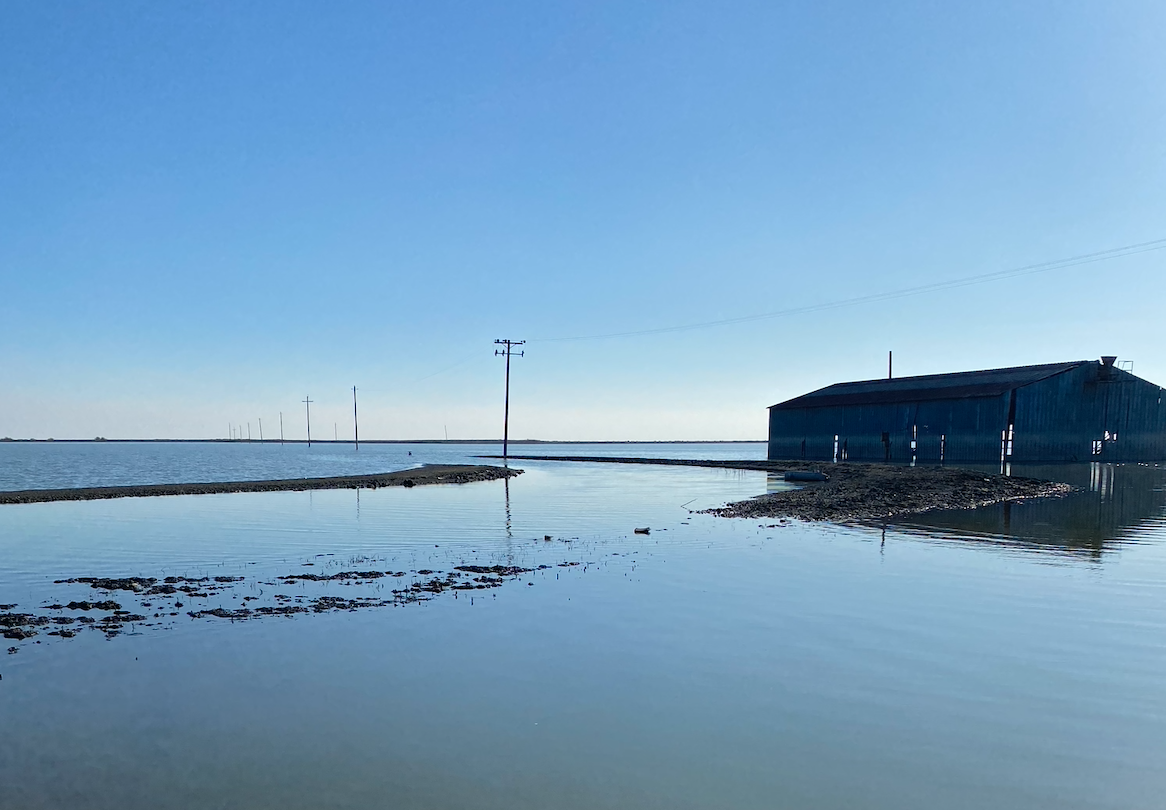
In 2023, an atmospheric river storm sent runoff from nearby waterways toward Allensworth. As waters rose along the historic shoreline of Tulare Lake, breaches in surrounding waterways allowed floodwaters to surround the community. Evacuation orders were issued, and families faced the possibility of being cut off by rising water.
Emergency services are 20 to 30 minutes away from Allensworth, which heightened residents’ concerns about safety and response times. Residents faced difficult decisions having to choose between staying to protect their homes and animals or going to work to maintain their livelihoods. The flooding exposed serious vulnerabilities not only in infrastructure, but ability of rural communities to access emergency resources
Community Response to Rising Waters
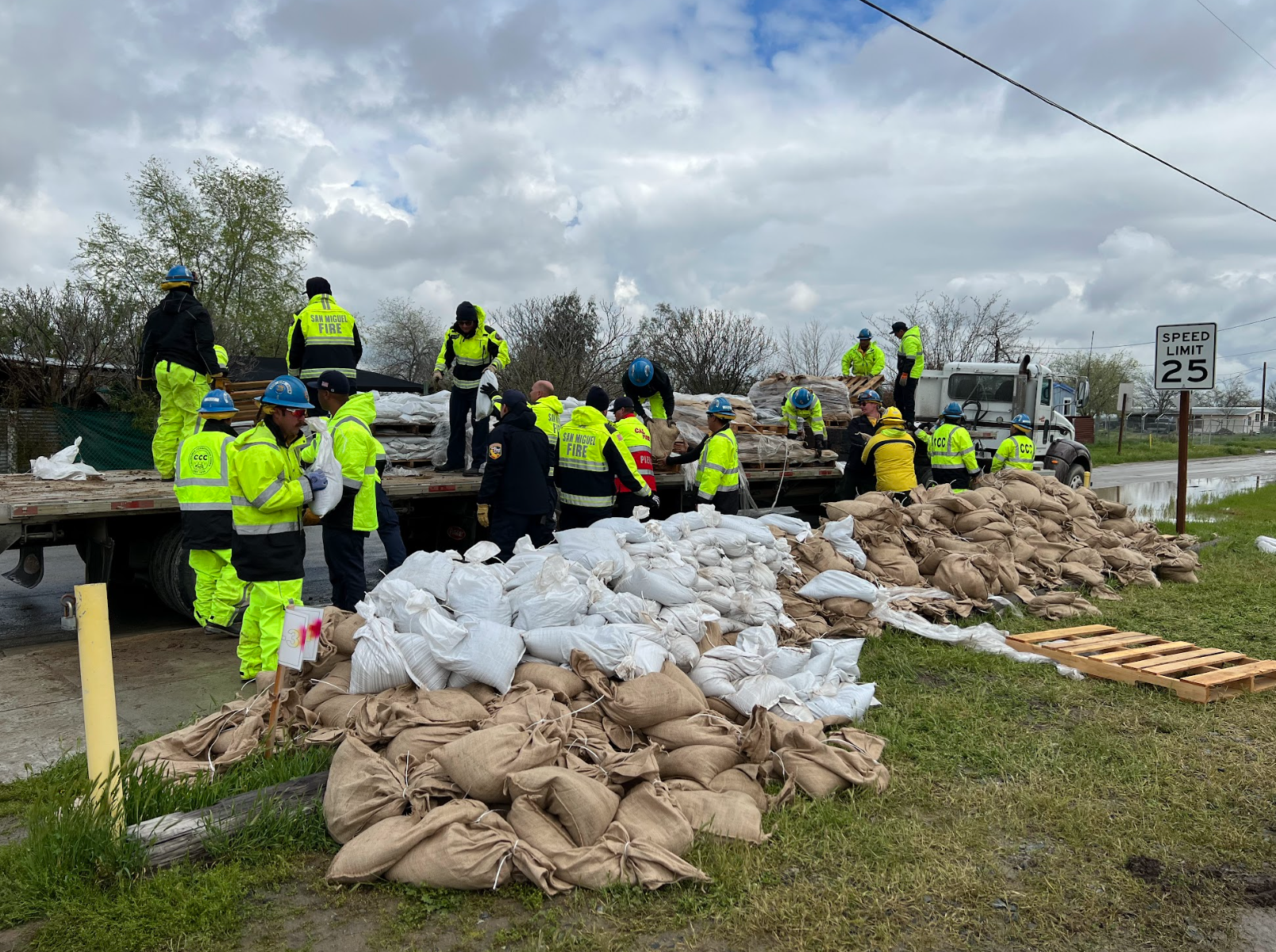
As floodwaters approached, residents acted quickly, filling sandbags, building temporary embankments, attending emergency meetings, and working tirelessly to protect homes, livestock, and neighbors. With emergency response delayed, local action became essential.
Community members organized hourly inspections of the berm to watch for signs of failure and ensure there was enough time to warn others if conditions worsened. When first responders and non-governmental organizations (NGOs) encountered logistical challenges, residents relied on their own tractors and farm equipment to reinforce and maintain the berm.
These grassroots efforts played a critical role in protecting the community during the early stages of the crisis. However, the scale of the disaster soon made it clear that local action alone would not be enough; coordination, communication, and outside support were urgently needed.
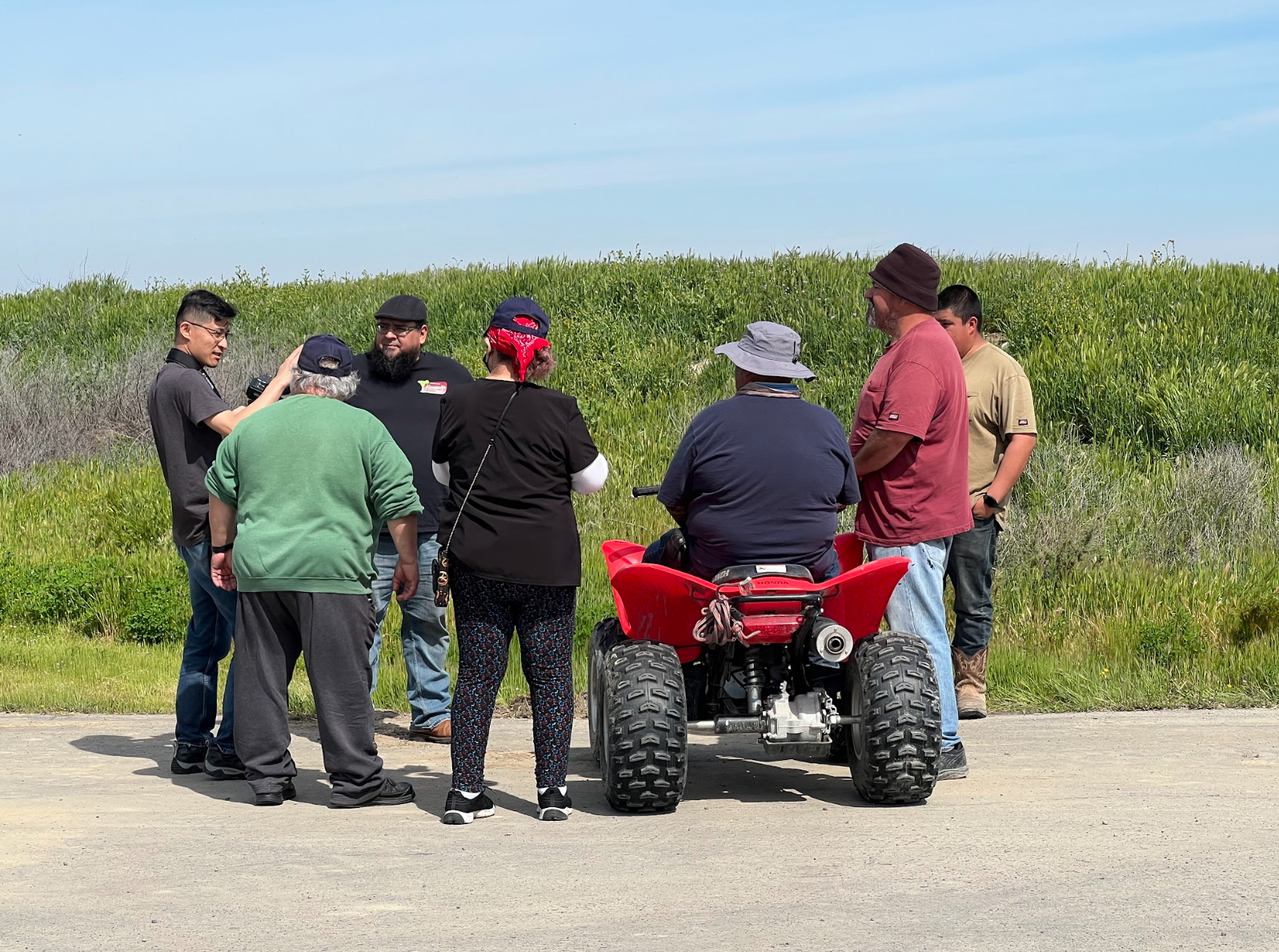
During this time, the Allensworth Progressive Association (APA) stepped into a vital leadership role, serving as a bridge between residents and emergency response agencies, including partners such as the American Red Cross.
The APA supported the community by:
Communicating urgent needs to relief organizations
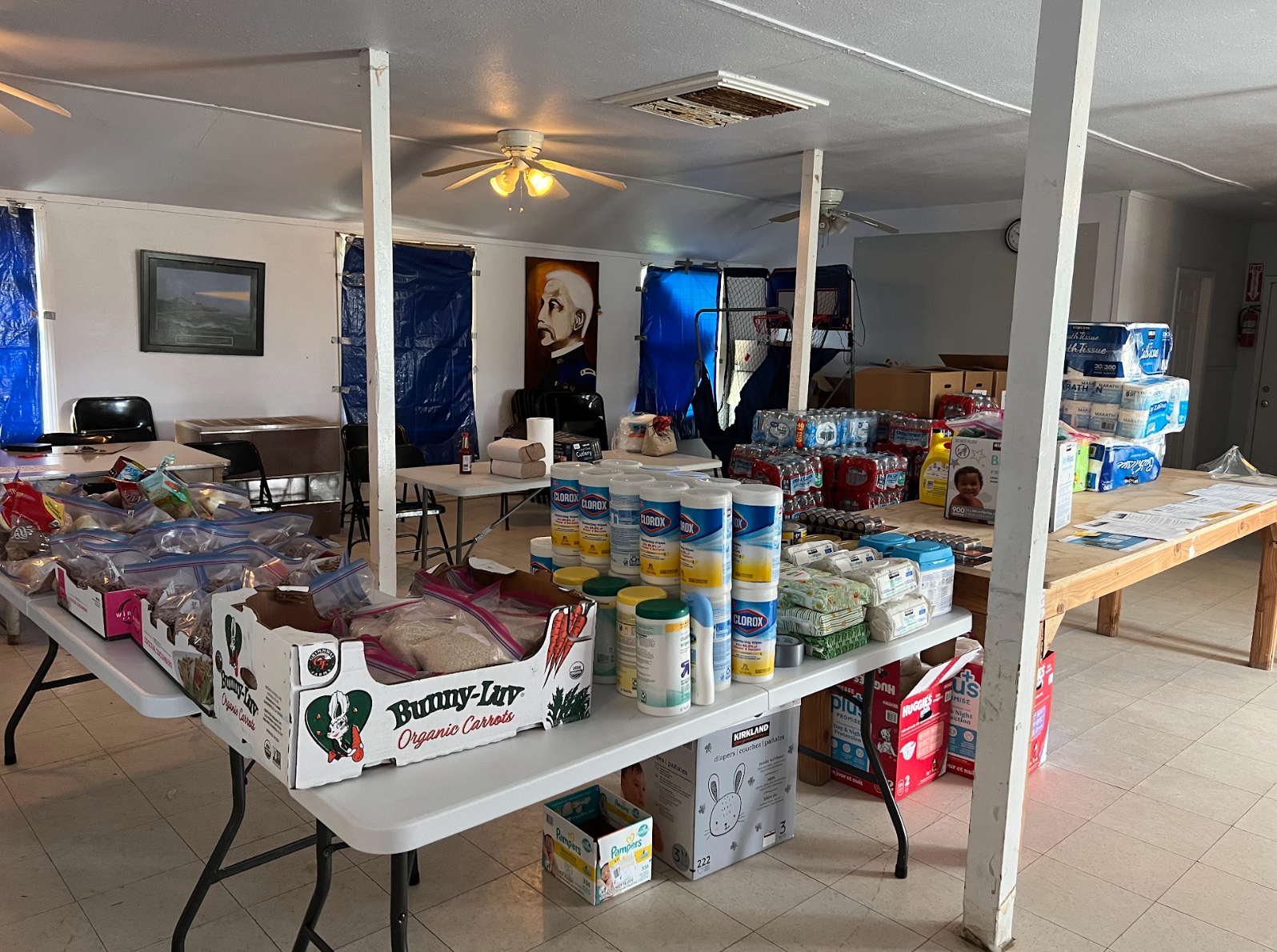
Coordinating the distribution of food, water, and emergency supplies
Sharing real-time updates with residents
Helping families navigate evacuation guidance and access aid
Community Adaptation Program
Addressing immediate interim needs and making strategic plans for the future
In partnership with American Red Cross and as a participant in their Community Adaptation Program (CAP) the APA is building an emergency response framework that other underserved communities can adopt. This model addresses immediate needs while planning strategically for the future. As part of the framework we are establishing a Community Emergency Response Team (CERT) made up of local residents, Allensworth specialists like medical staff, tractor owners, plumbers, electricians, and tech-savvy helpers, as well as trusted community leaders. Team members will receive First Aid and CPR certification, disaster response training, and guidance on communication protocols. By training neighbors to respond, this framework not only strengthens emergency readiness but also gives the community peace of mind knowing help will come from familiar, trusted faces. APA has also formalized an MOU with the American Red Cross to ensure rapid delivery of resources and coordinated support during crises.
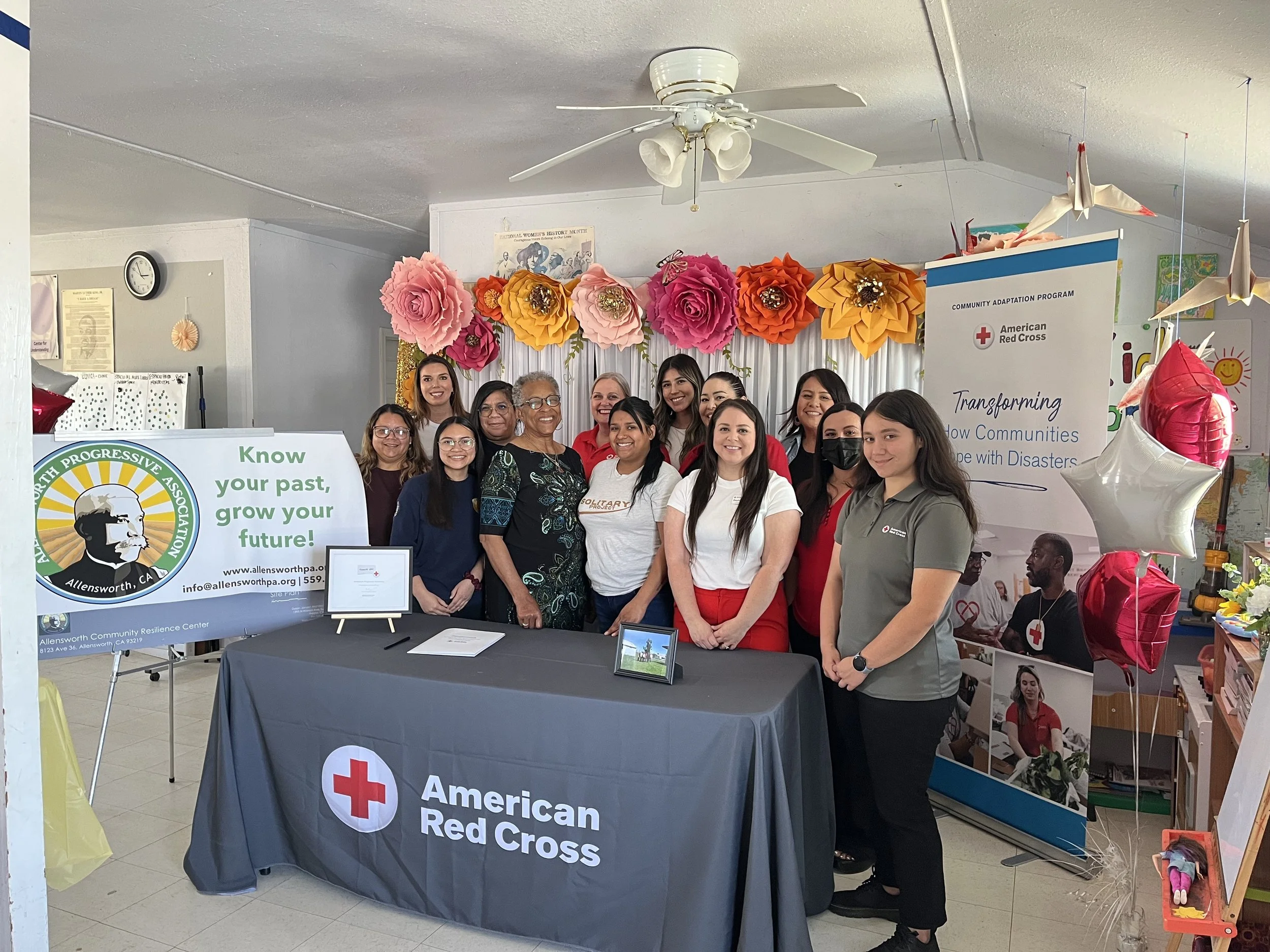
Emergency Response Plans & Community Resources
-
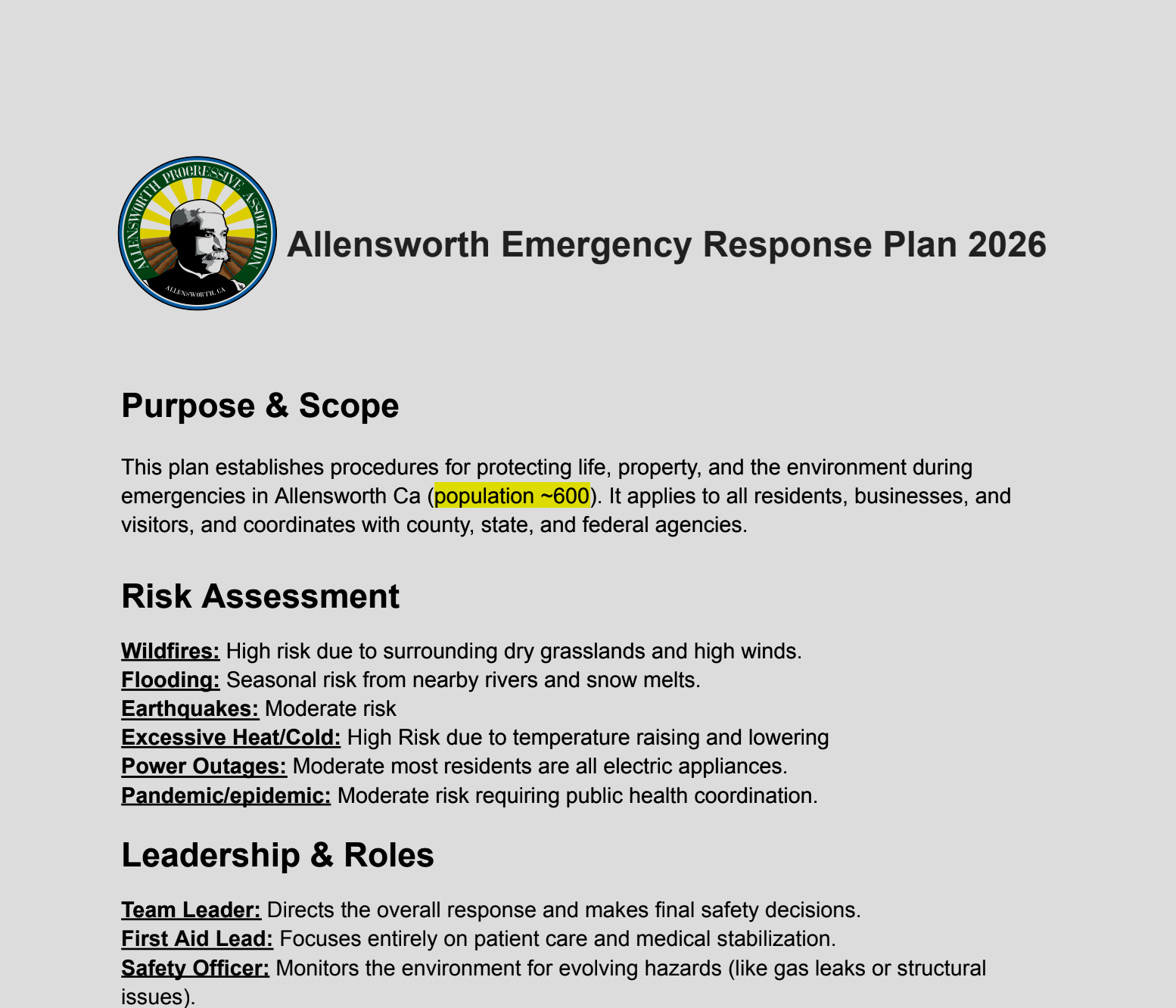
Emergency Response Plan 2026
Read how this plan helps the community prepare for emergencies, including floods, fires, and other hazards.
-
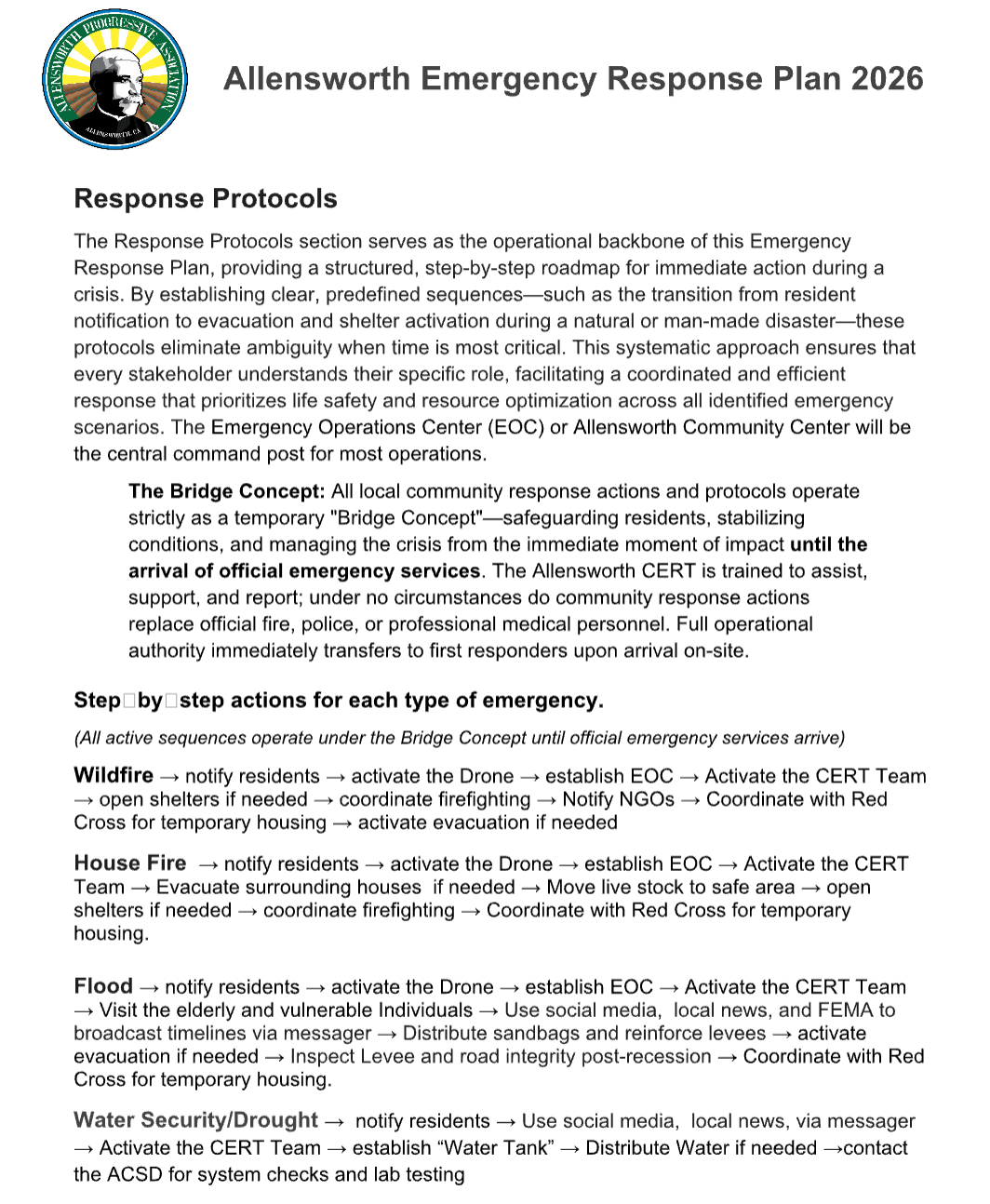
Response Protocols
-
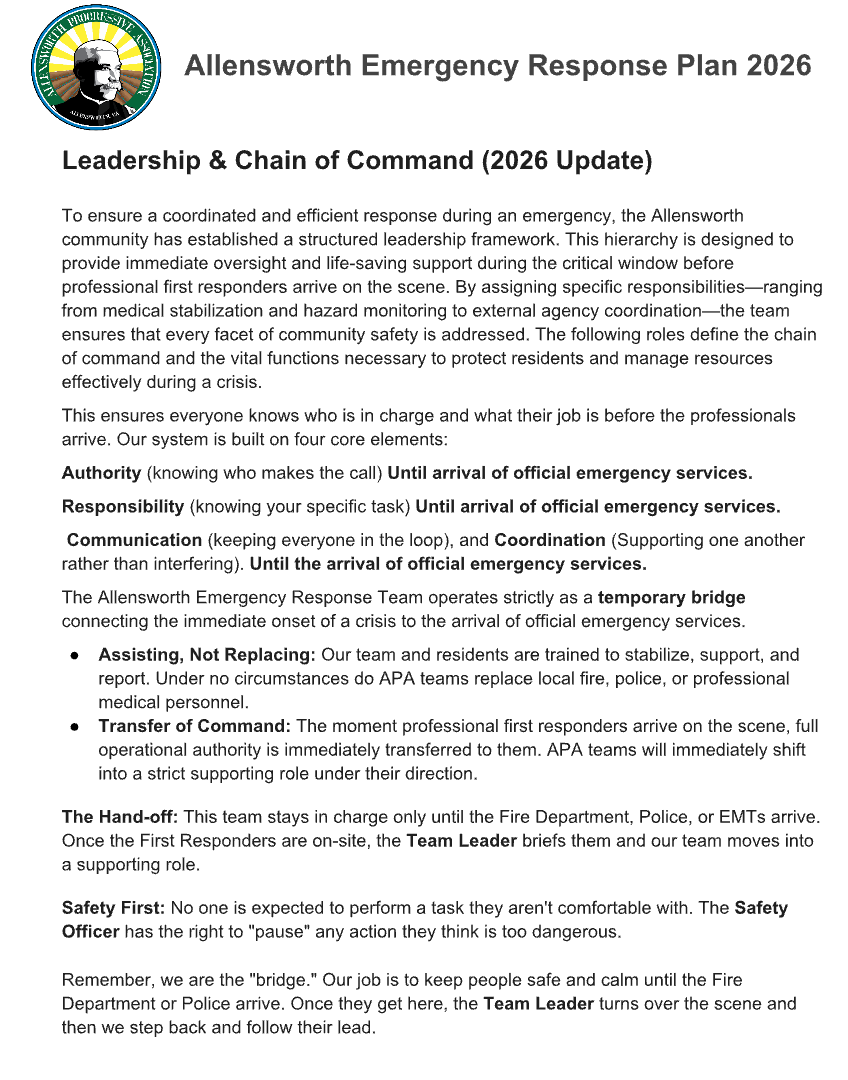
Leadership Chain of Command
-
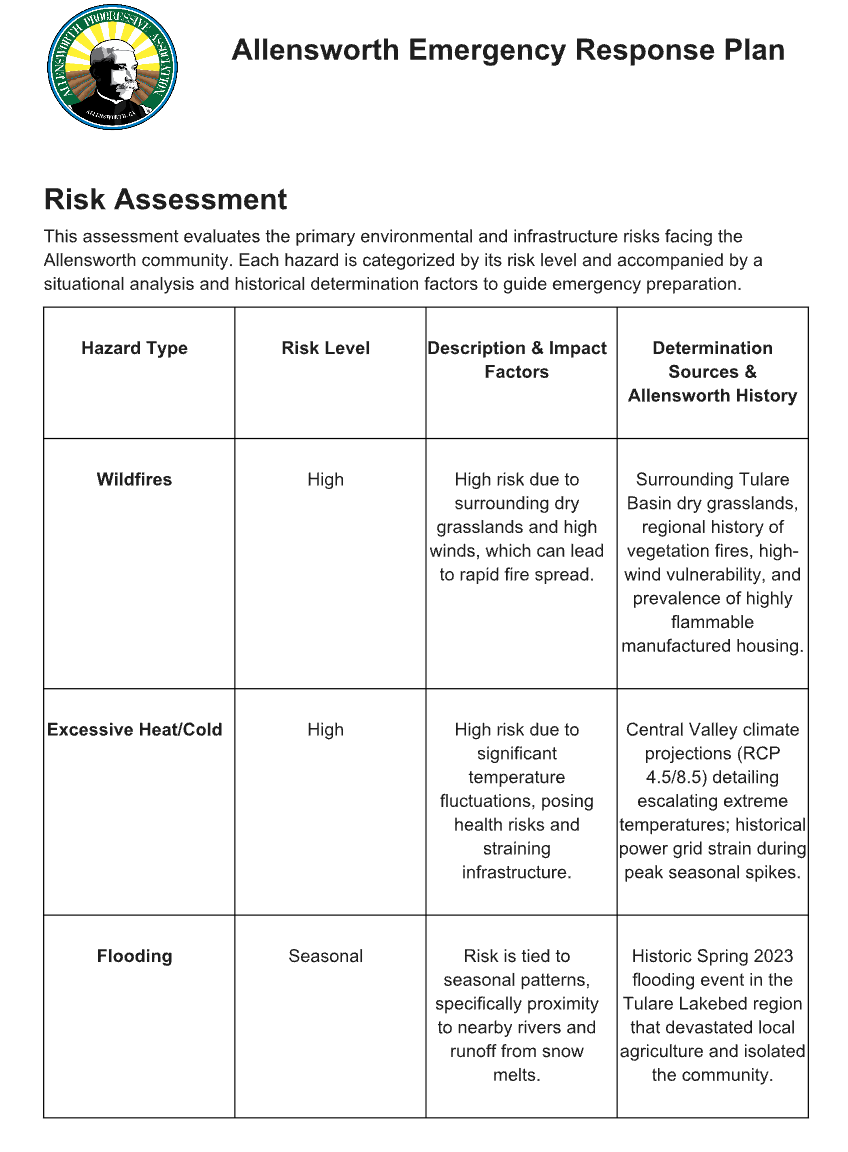
Risk Assessment
-
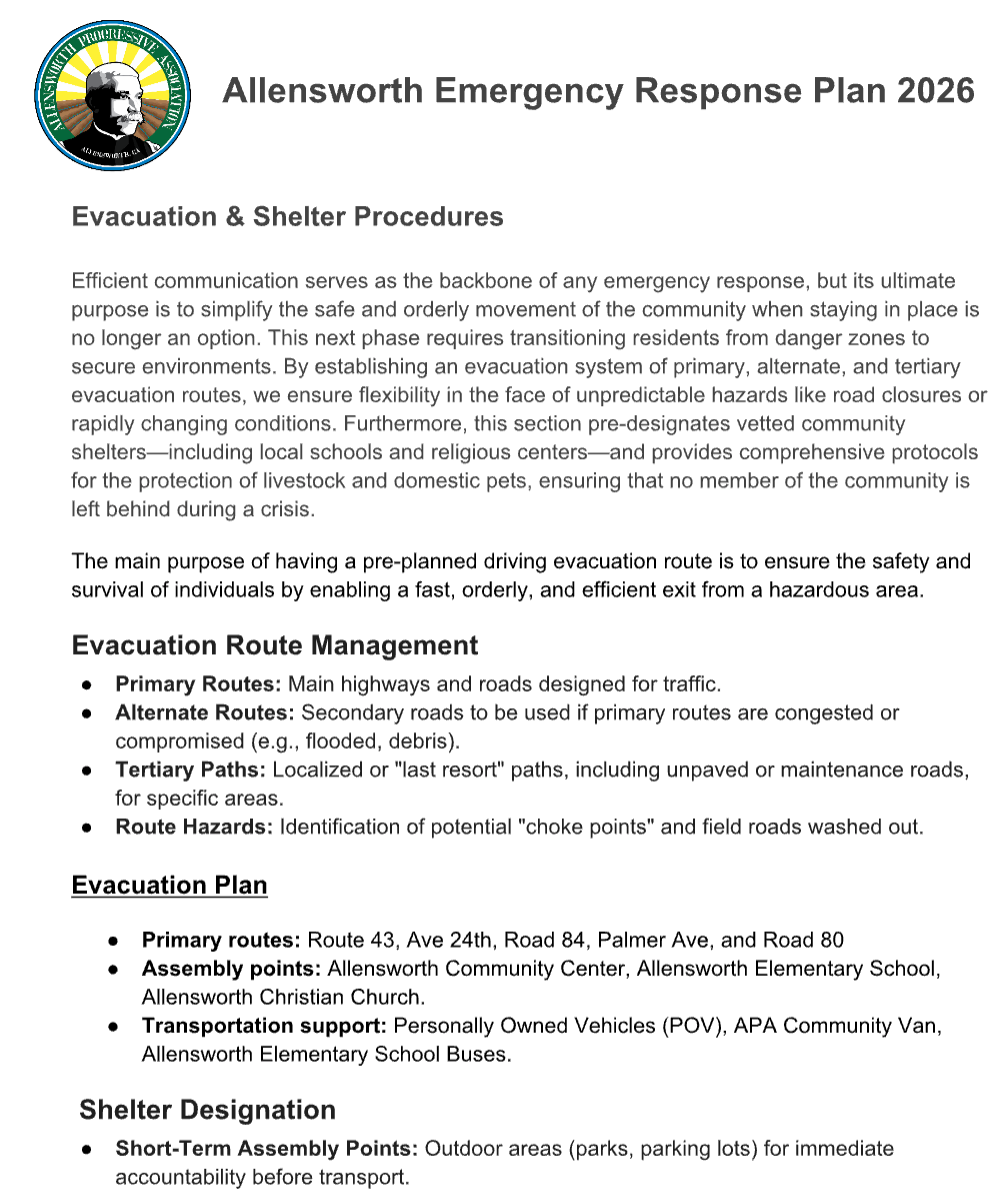
Evacuation & Shelter Procedure
-
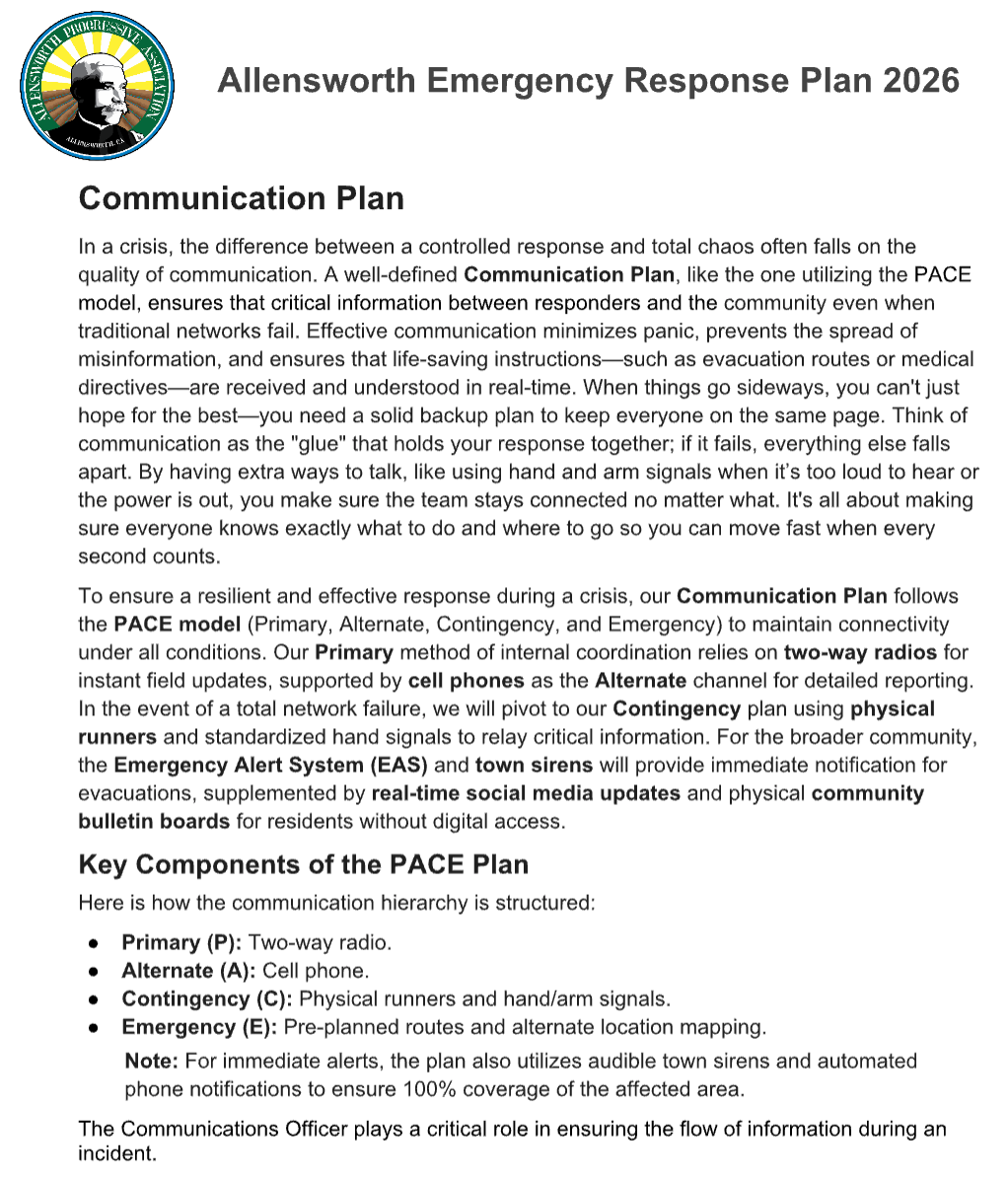
Communication Plan
-

Resident Resources
Read and access guides, tools, and support services that help residents stay safe and prepared.
-
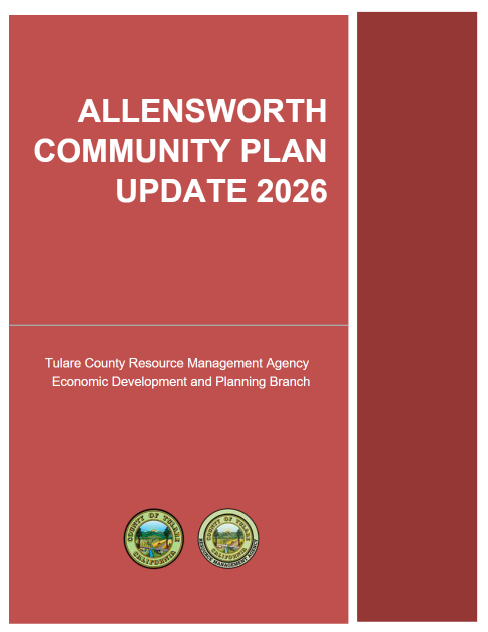
Allensworth Community Plan
Read about APA’s long-term vision for building a climate-resilient community.