Resource Sovereignty

Sovereignty means communities have the right to protect and manage water, energy, and food not just as “natural resources,” but as shared systems we care for together. In the Central Valley, many of these systems have been extracted, depleted, and controlled by outside interests for decades leaving communities with polluted groundwater, unstable power, and land that is pushed to its limits. That harm doesn’t start at the tap or the meter; it starts in the soil beneath our feet.
Healthy soil is a living sponge holding water, nourishing crops, and supporting life. But when land is stripped bare for development, dust rises and valley fever spreads. When pesticides seep into the earth, they can contaminate groundwater and threaten drinking water.
True sovereignty means rebuilding water, energy, and food systems as one interconnected whole. When communities reclaim control, they can heal the land, protect public health, and shape a future that belongs to them.

Food Sovereignty
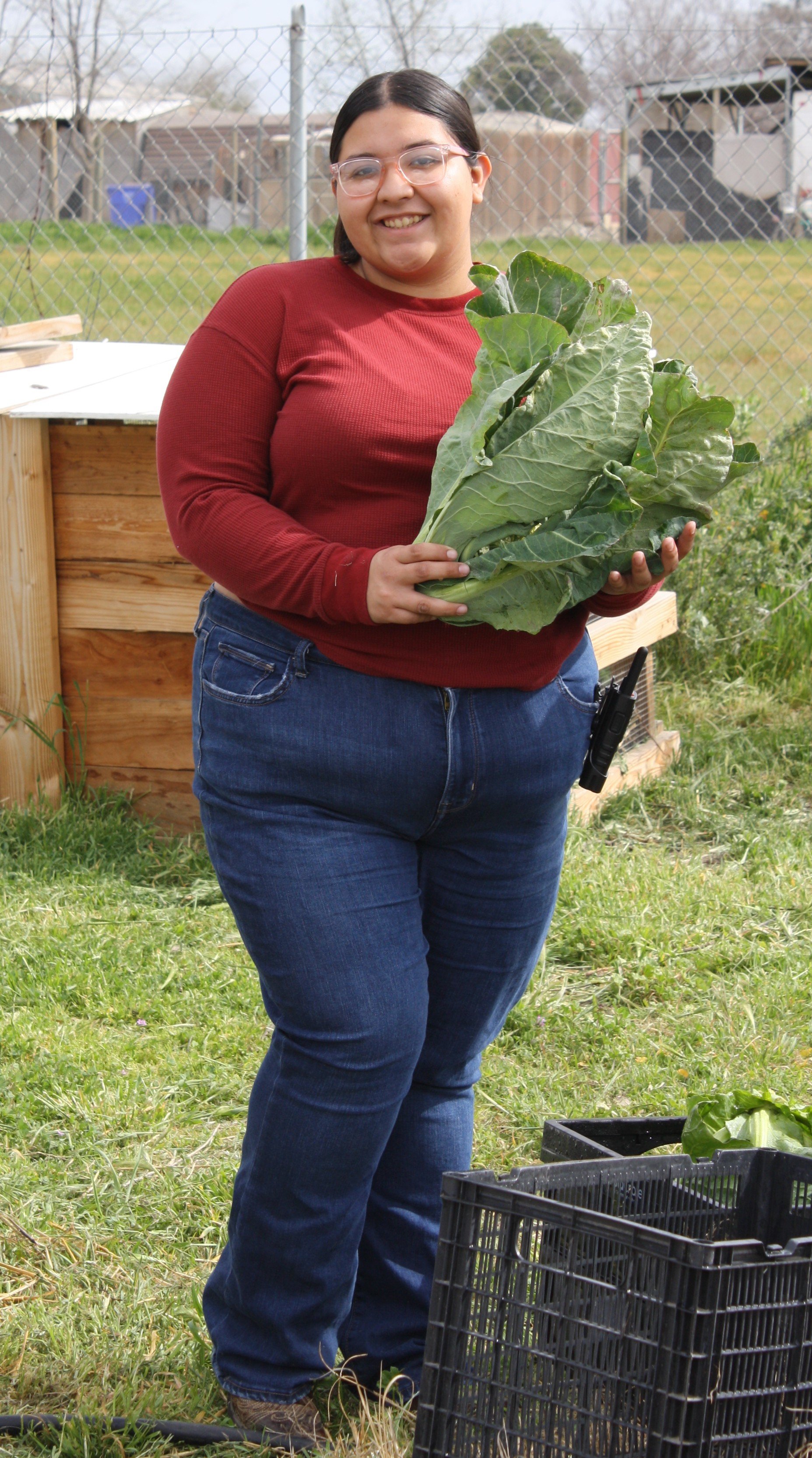
Across the Central Valley (CV), many communities continue to face food insecurity that restrict access to fresh, healthy, and culturally relevant foods. Despite being a major agricultural region, much of the food produced in the CV is exported elsewhere rather than used to nourish local communities. The projects address food sovereignty by prioritizing local food production, distribution, and community-led decision making. By strengthening local food systems and supporting community growers and producers, the project aims to reduce reliance on external markets, improve access to nutritious food, and ensure communities have greater control over how their food is grown, distributed, and consumed.
Energy Sovereignty
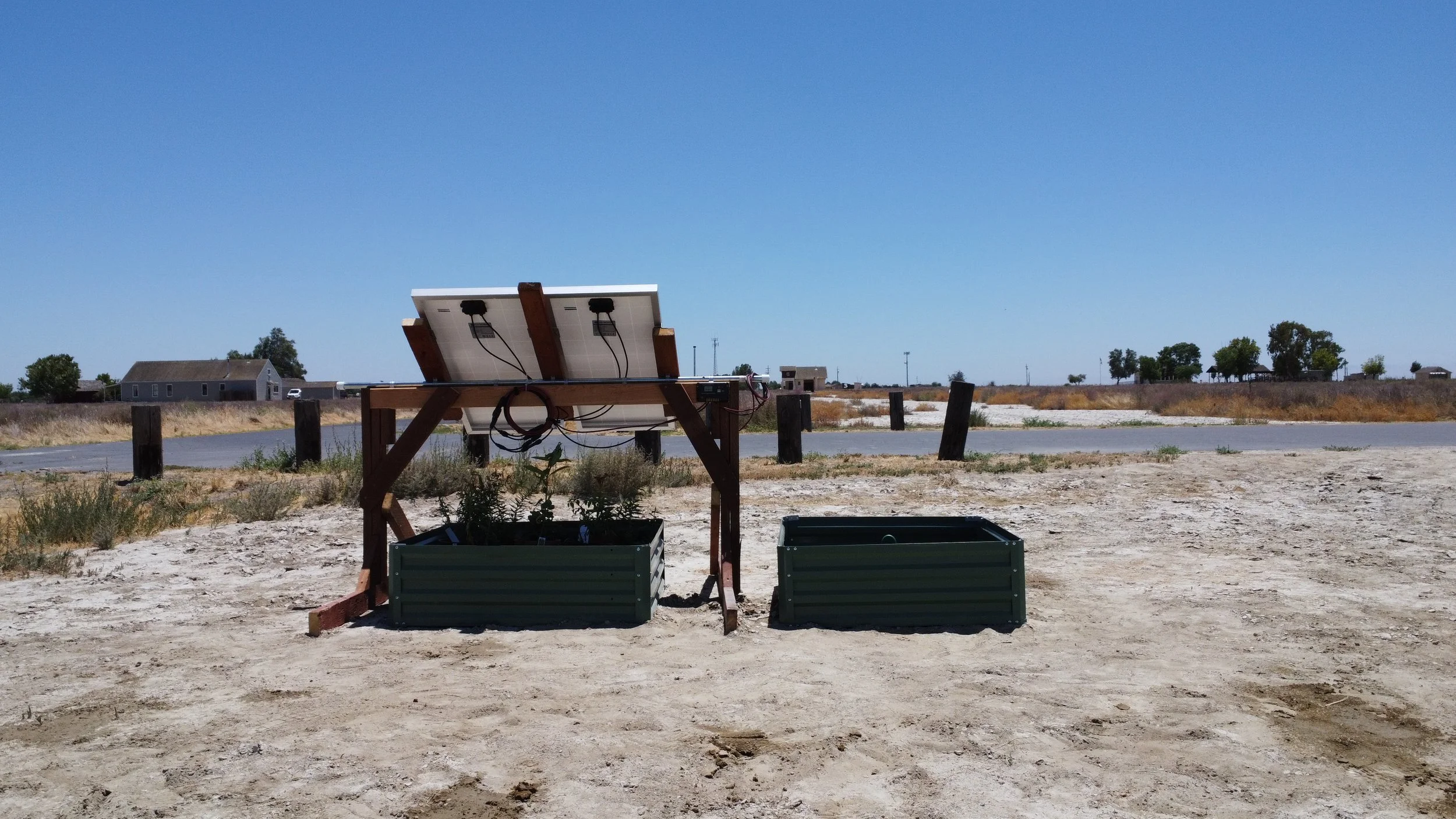
Energy insecurity continues to affect many communities in the Central Valley (CV), where residents face high energy costs, unreliable access, and limited control over how power is produced and distributed. Although the region has significant renewable energy potential, much of the energy generated locally benefits external markets rather than the communities where it is produced. Advancing energy sovereignty means prioritizing community-owned solutions and local decision-making while strengthening regional energy systems. By pairing clean energy generation with active agricultural lands, this approach supports both energy resilience and food production, reducing reliance on outside providers and giving communities greater control over how their energy is generated, managed, and used.
Water Sovereignty
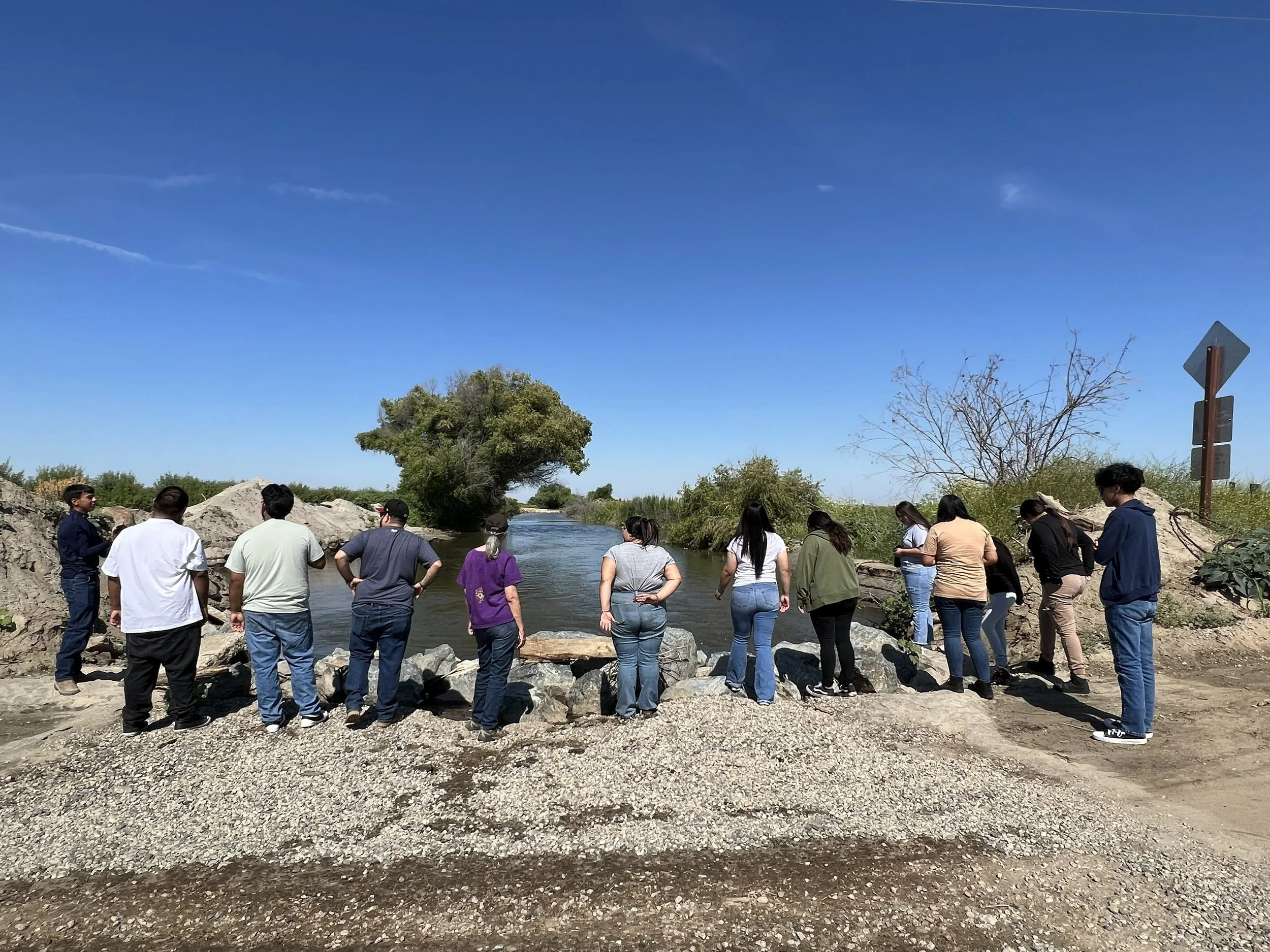
Water insecurity persists throughout the San Joaquin Valley and Tulare Basin, where many rural communities contend with contaminated groundwater, unreliable drinking water access, and little access to engage with management and decision-making over local water systems and water allocation. Despite being located along the former shores of Tulare Lake, once one of the largest freshwater lakes west of the Mississippi River, clean and secure water often flows away from these communities. Advancing water sovereignty involves and centers community leadership and local decision-making in order to protect waterways and catchment, invest in resilient water infrastructure, ensuring access to safe, affordable drinking water, engaging in regional water management and allocation, and stewarding a thriving natural environment. Investing in community-driven water projects strengthens resilience while reducing dependence on outside systems and authorities.