
Food Sovereignty

Food sovereignty is central to APA’s mission, focusing on growing healthy, nutritious food that nourishes people while restoring and sustaining the environment. The health and environmental impacts of extractive grazing and monocrop agriculture have reached crisis levels, and extreme weather patterns, triple-digit heat, floods, and rapid wet-dry cycles have become the new normal. Creating and sustaining abundance for Allensworth’s land and people is our goal. By restoring soil integrity, using water-conserving farming practices, and involving residents in securing access to food, water, energy, and economic opportunities, we build resilient local food systems that benefit both communities and ecosystems.
Land
Stewardship
Control over land has long been the foundation of political power and a driver of disparities between neighborhoods and communities. In Tulare County and California, legal frameworks tie property ownership directly to access, rights, and resources. Without land, APA and the community cannot fully advance their mission. Land provides the foundation for community health, wealth, and self-determination. Building on a long history of Indigenous stewardship, current residents are actively caring for the land, prioritizing both environmental and relationship stewardship. This approach is part of a larger movement toward community-led land stewardship that strengthens local power, resilience, and shared prosperity
Community Land Trust
For Allensworth, a mixed-use Community Land Trust (CLT) means putting land directly into the hands of the community to guide its use and care and to directly reap the benefits of what they sew. Through the CLT, the community can acquire land and steward it for housing, farming, businesses, and recreation ensuring that improvements benefit the people who live and work here. A democratically elected board will oversee the trust, keeping decisions community-driven and adaptable to changing needs. By creating this CLT, the project supports long-term access to land, strengthens local self-determination, and builds a foundation for health, wealth, and resilience in Allensworth for generations to come

“Soil is the most important and essential ecosystem, linked to every function on the planet. It is a frontier of discovery; from climate change, to keys to human health, nutrition and water cycling. Soil are an incredibly exciting field of discovery to be involved in”
- Nicole Masters, For The Love of Soil

Regenerative Agriculture
Allensworth residents are contending with climate stressors like drought, heatwaves, and flooding, alongside poor soil to support healthy crops. With limited diversity in what can be grown, maintaining local food security is a challenge. Approaches that revitalize soil, encourage crop variety, and strengthen resilience are critical for the community.
Regenerative agriculture offers a framework to address these challenges. We follow the six core principles of regenerative agriculture:
CONTEXT
Conduct soil testing to understand nutrient levels and potential contaminants such as arsenic and alkalinity.
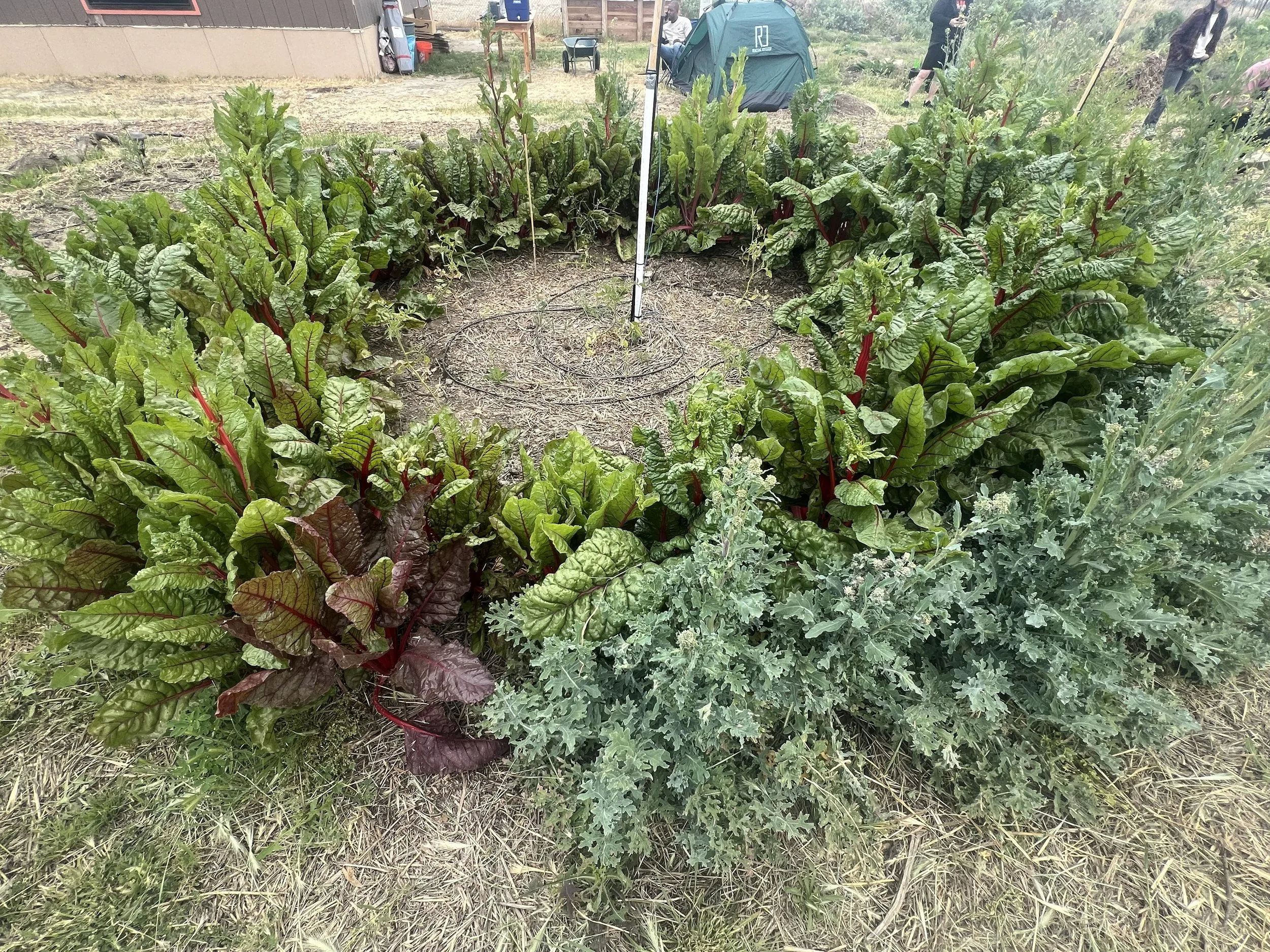
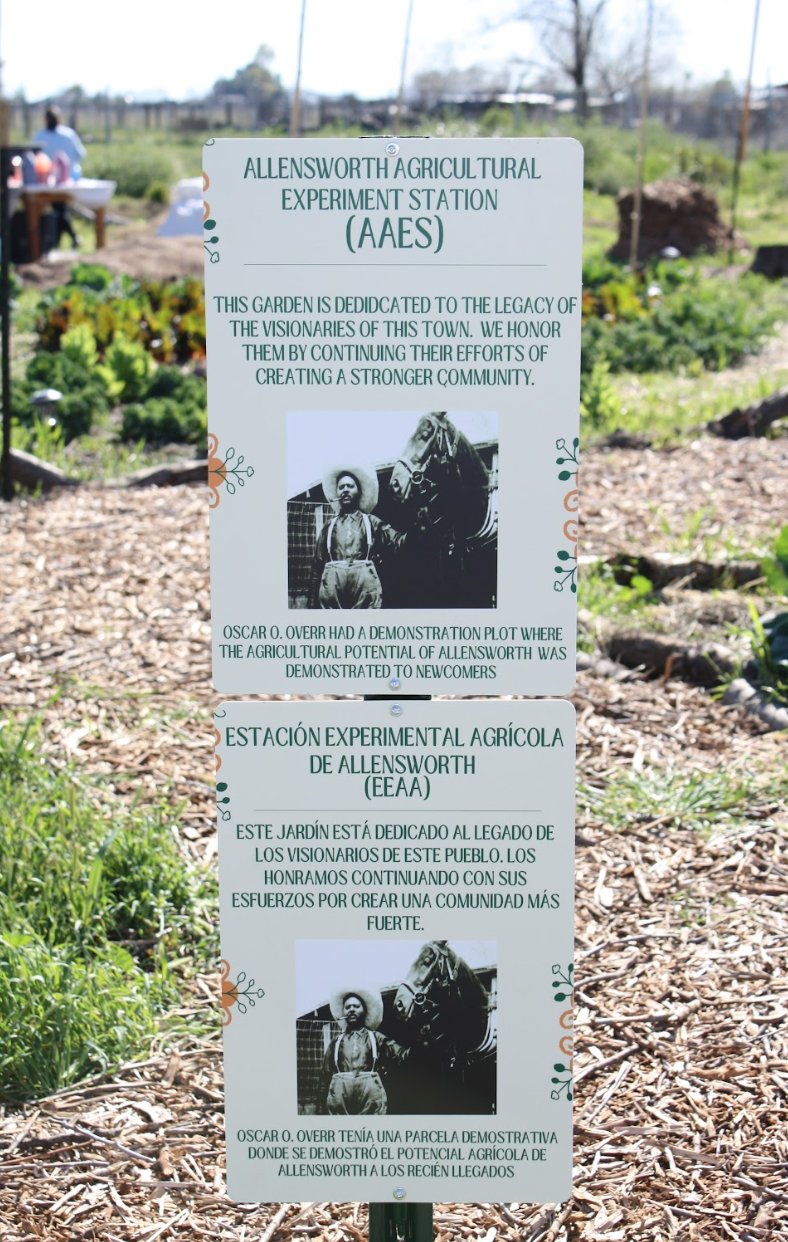
From these principles emerged the AAES Community Garden, the first initiative designed to restore soil, strengthen food security, and serve as a living small-scale demonstration site prior to moving it to a full-scale community garden.
PROTECT THE SOIL SURFACE
Apply mulch, plant comfrey, and maintain cover crops to retain moisture.
DIVERSITY
Use companion planting and a mix of crops to support resilience and ecological balance.
MAINTAIN LIVING ROOTS
Adding compost and biochar feeds soil life and plants, supporting living roots indirectly.
LIVESTOCK INTEGRATION
While no livestock are present, chickens and cats naturally roam the garden, mimicking some nutrient cycling functions.
MINIMIZE SOIL DISTURBANCE
Limit disruption of soil structure to protect microbes and maintain healthy soil ecosystems.
Healthy Soil, Healthy Farm, Healthy Community
Through practices that build soil integrity, recycle nutrients, and store water, farming can shift from an extractive to a regenerative system that provides abundant nutrient-dense crops and other agricultural products for community vitality. APA is adopting the principles of regenerative agriculture as a system of strategies and practices that advance soil health, biodiversity, human health, and economic justice.
Climate Resilience Education
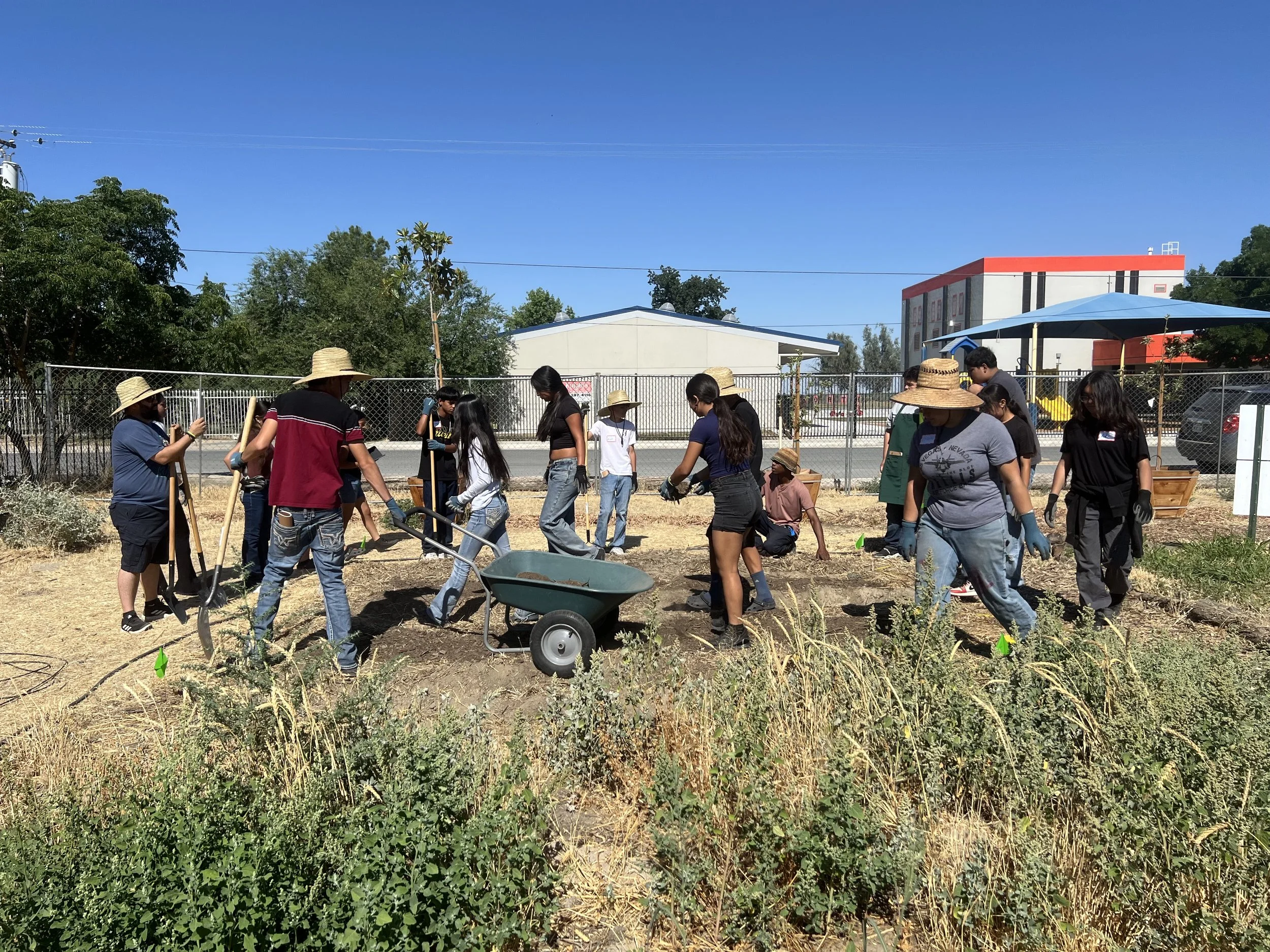
Climate Resilience Education empowers both youth and adults to understand and respond to the challenges of a changing environment. Through hands-on learning and community projects, participants restore soil, conserve water, and strengthen local ecosystems. These programs provide the tools and knowledge for the entire community to build resilience.
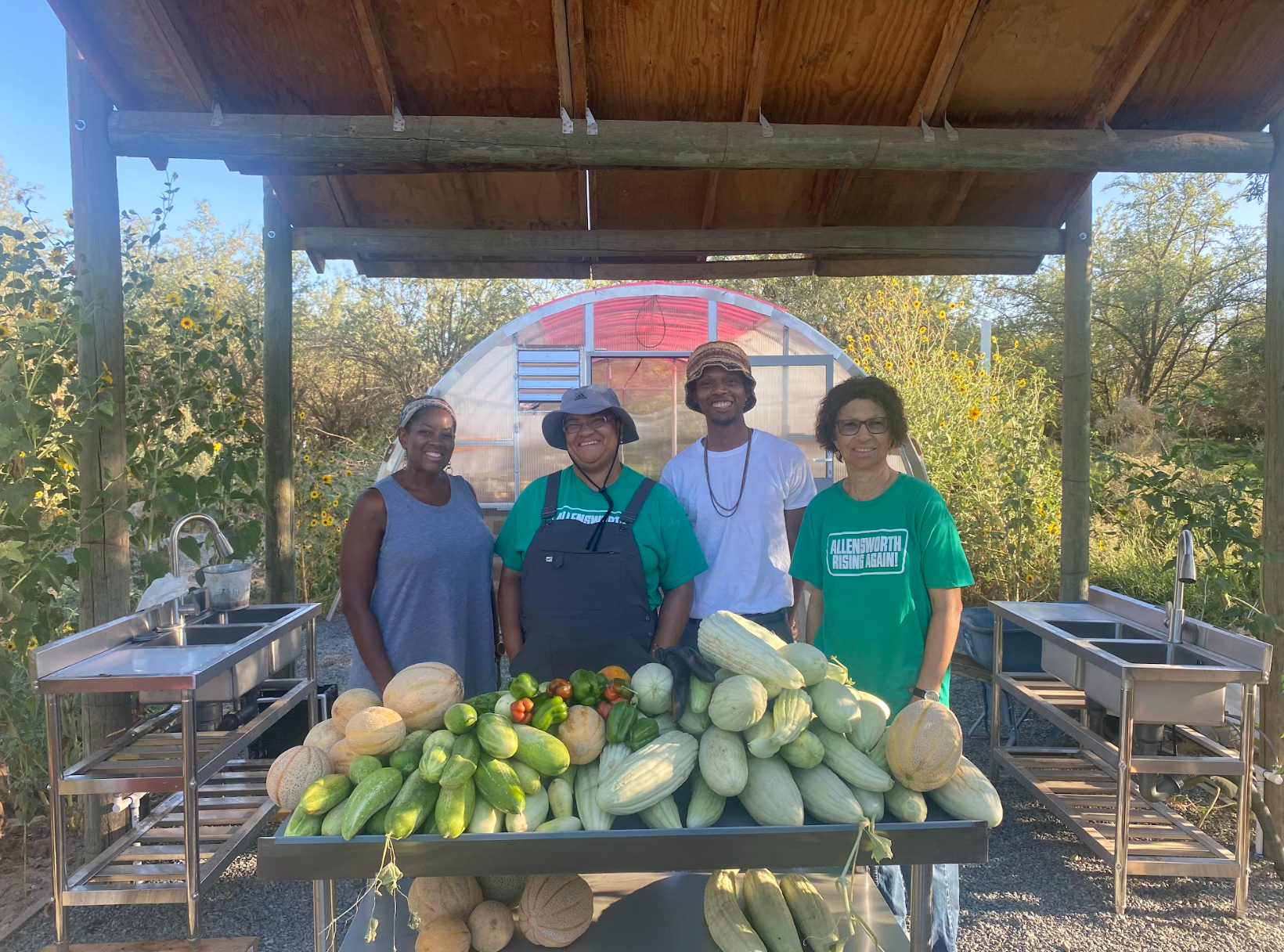

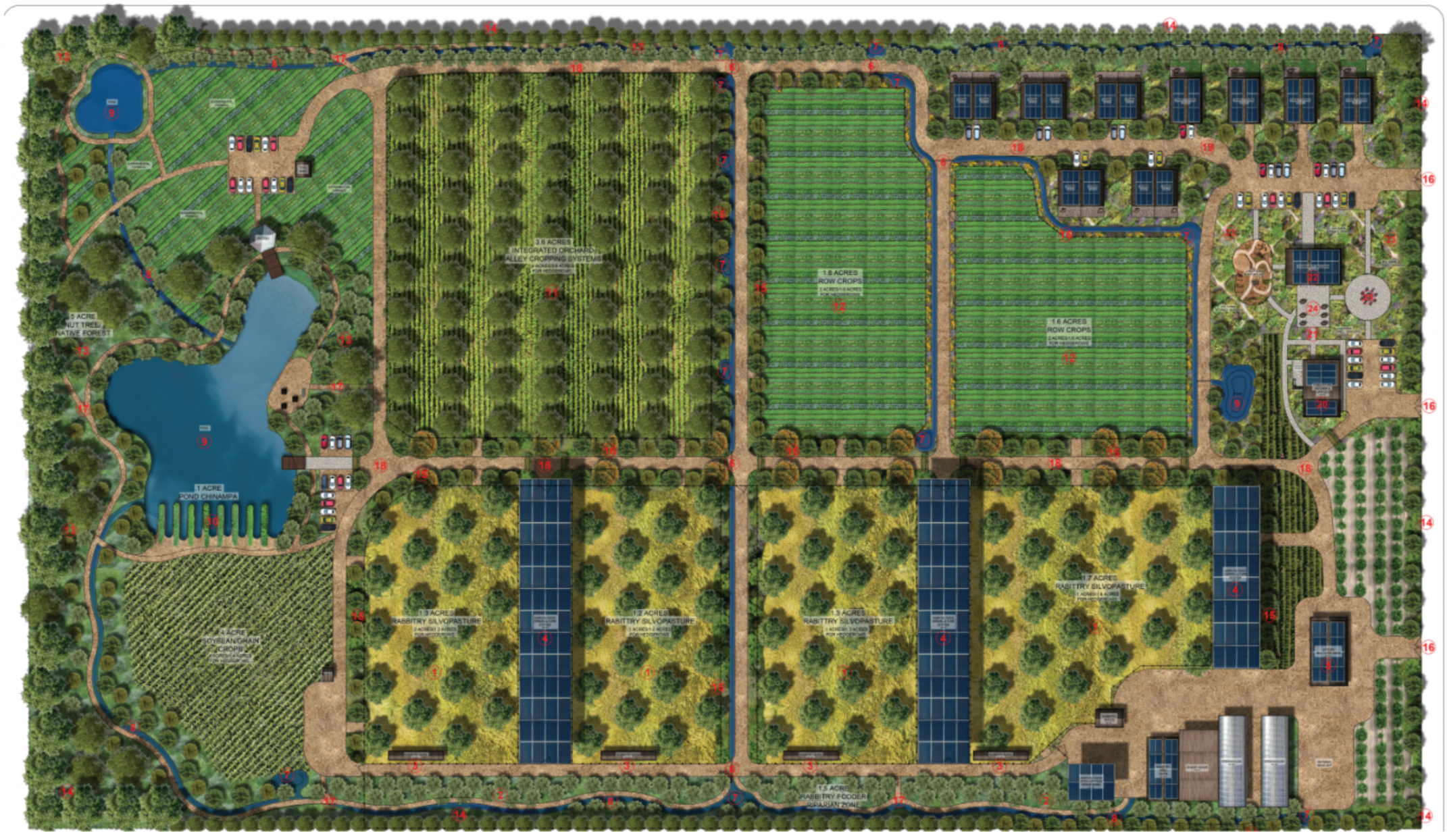
Farm Coop
Hand-in-hand with our flagship training program, in light of historically entrenched barriers to land and farm ownership that have structurally disadvantaged women, Black people, and other communities of color, APA’s Farm Enterprise project is determined to make land available to trainees upon completion of the training program. Land agreements from one-quarter to a half acre will be made available through 10-year lease agreements, with the option for farmers to remain in the cooperative for as long as it helps meet their needs.