Education

Education was central to the vision of self-reliance that inspired the founding of Allensworth, led by co-founder William Payne, an experienced educator who, despite restrictions on teaching in Pasadena, prioritized creating a strong educational foundation for the town. In 1912, the Allensworth School, a $5,000 one-room building serving elementary through high school students, was established with community funds, governed by elected trustees including Josephine Allensworth as the first teacher, with William Payne as Principal. Today, APA sets to revitalize this vision by strengthening the K-8 school, expanding to a full K-14 system, and providing adult learning and trade training to sustain the community’s growth, innovation, and local workforce development.

Regenerative Farming Training Programs
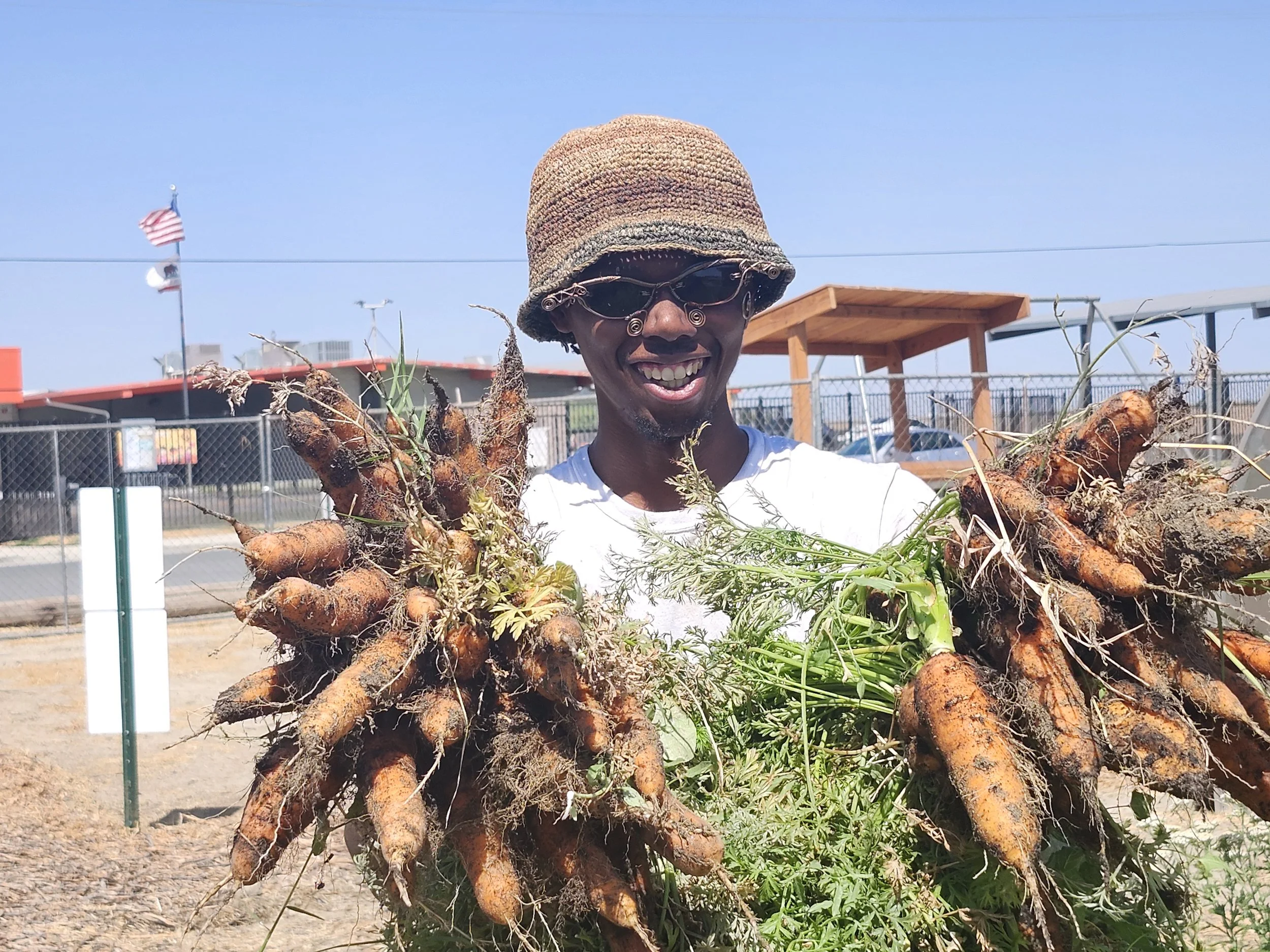
In 2023, the APA launched its foundational workforce development initiative, establishing Allensworth as a hub for regenerative farming education that supports ecological restoration and climate-resilient local food systems, nurturing the next generation of regenerative farmers in the Central Valley. The Explorer Farm Training Program is a four-day, hands-on course exploring small-scale regenerative farming through practical exercises, farm visits, and discussions on financial and personal considerations. For those pursuing deeper training, the Josephine Allensworth Farmer Training Program is a seven month course focused on land-based practices, farm management, financing, and culturally grounded education, culminating in a complete farm business plan. Together these programs prepare participants to launch sustainable farms and strength the region’s local food system.
Tulare Lake
Project Based Learning Program
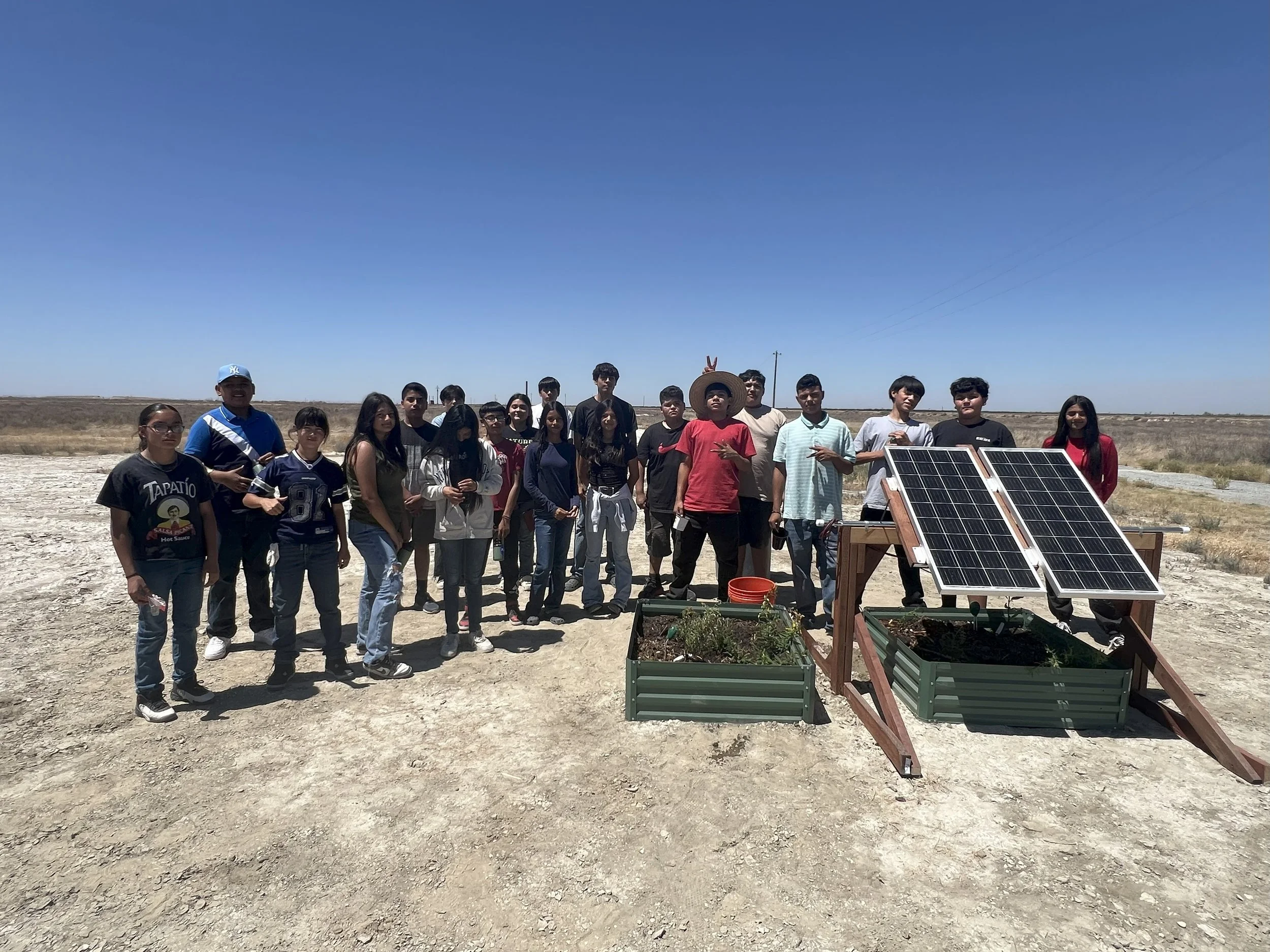
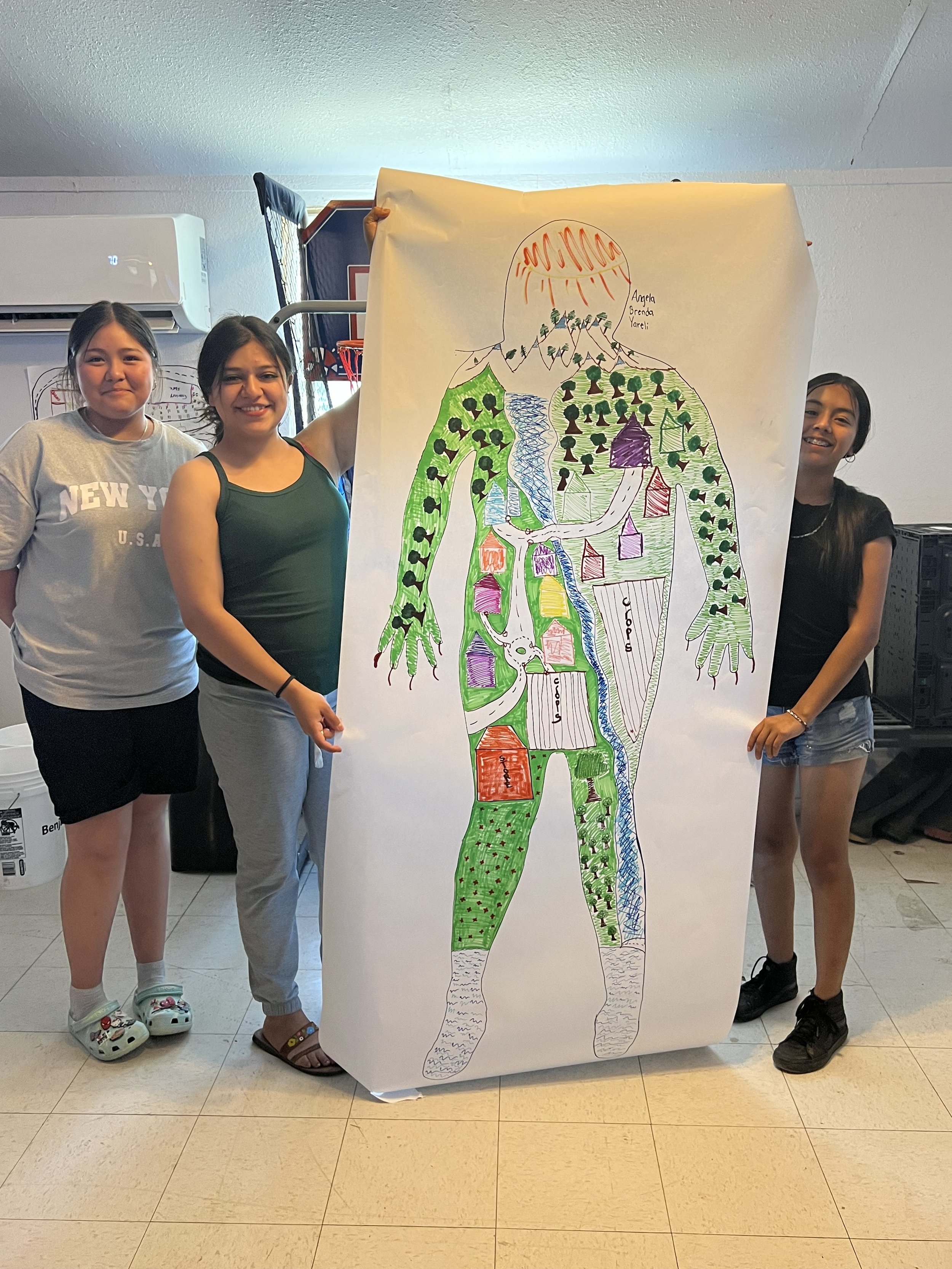
The Tulare Lake Project-Based Program is a 4-week long summer climate change education program for young people growing up in and around the Tulare Lakebed. The TL PBL is a STEAM program focused on regional environmental justice, water, and climate change. Students are provided with the opportunity to learn from local experts in land, water, air, art, and environmental justice and taken on field trips to California colleges to learn more about the climate work being done at these institutions and exploring their potential higher education opportunities. Throughout the month our young people learn about the roots of our region’s environmental degradation and how climate change is now making those problems worse. Together they plan and develop projects sharing what they have learned, exploring the possibilities for creating the solutions their communities need.
Arts & Athletics
Based Learning Program
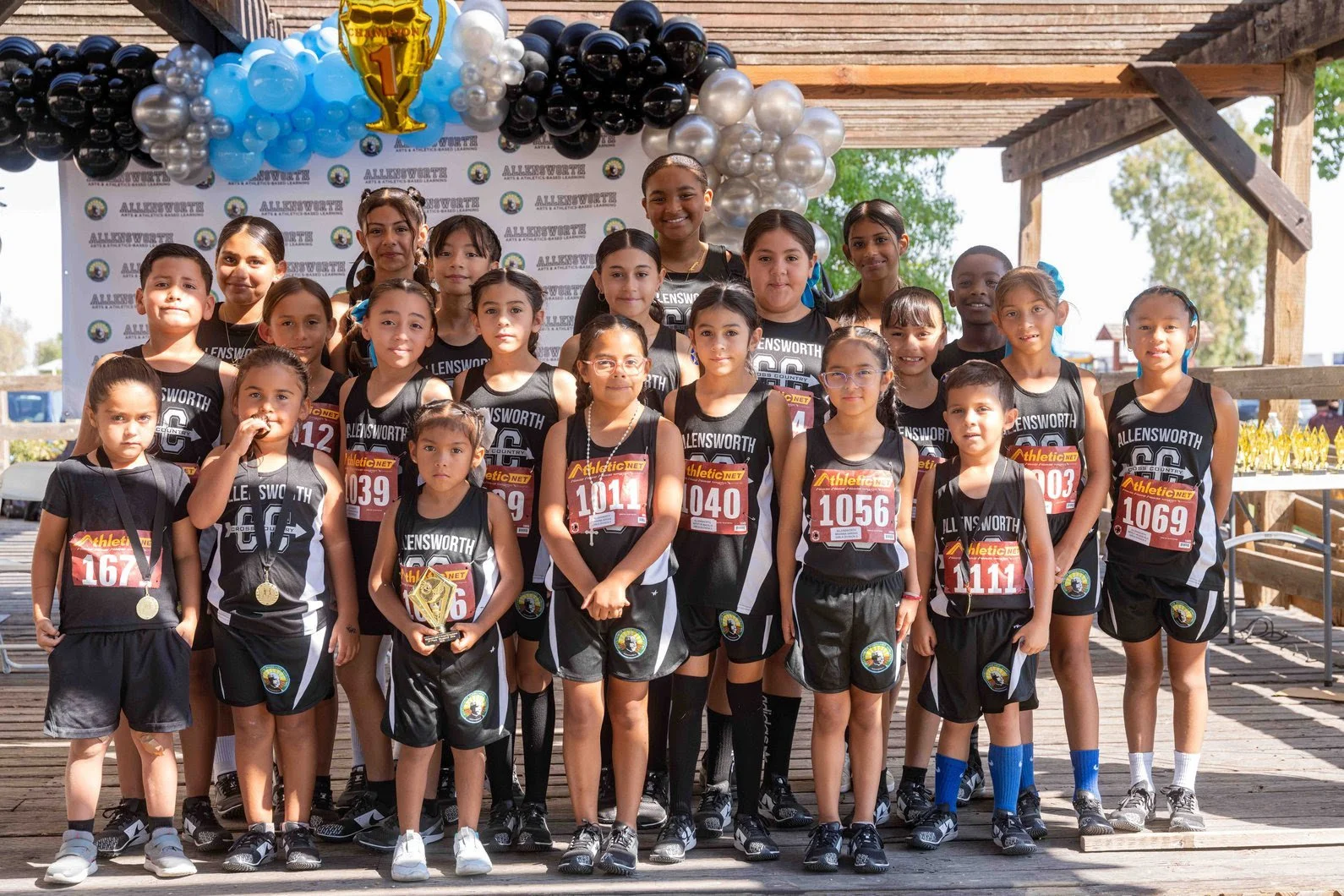
The Arts & Athletics Based Learning (AABL) program represents the next step in holistic youth development, blending physical movement with creative exploration. The program creates a safe, engaging, and inclusive environment where youth can grow and develop as leaders beyond sports alone. AABL supports students in strengthening their physical, creative, and intellectual abilities through community-centered learning. The program is built on the belief that every young person deserves equal opportunities to thrive.
Cooperative Development
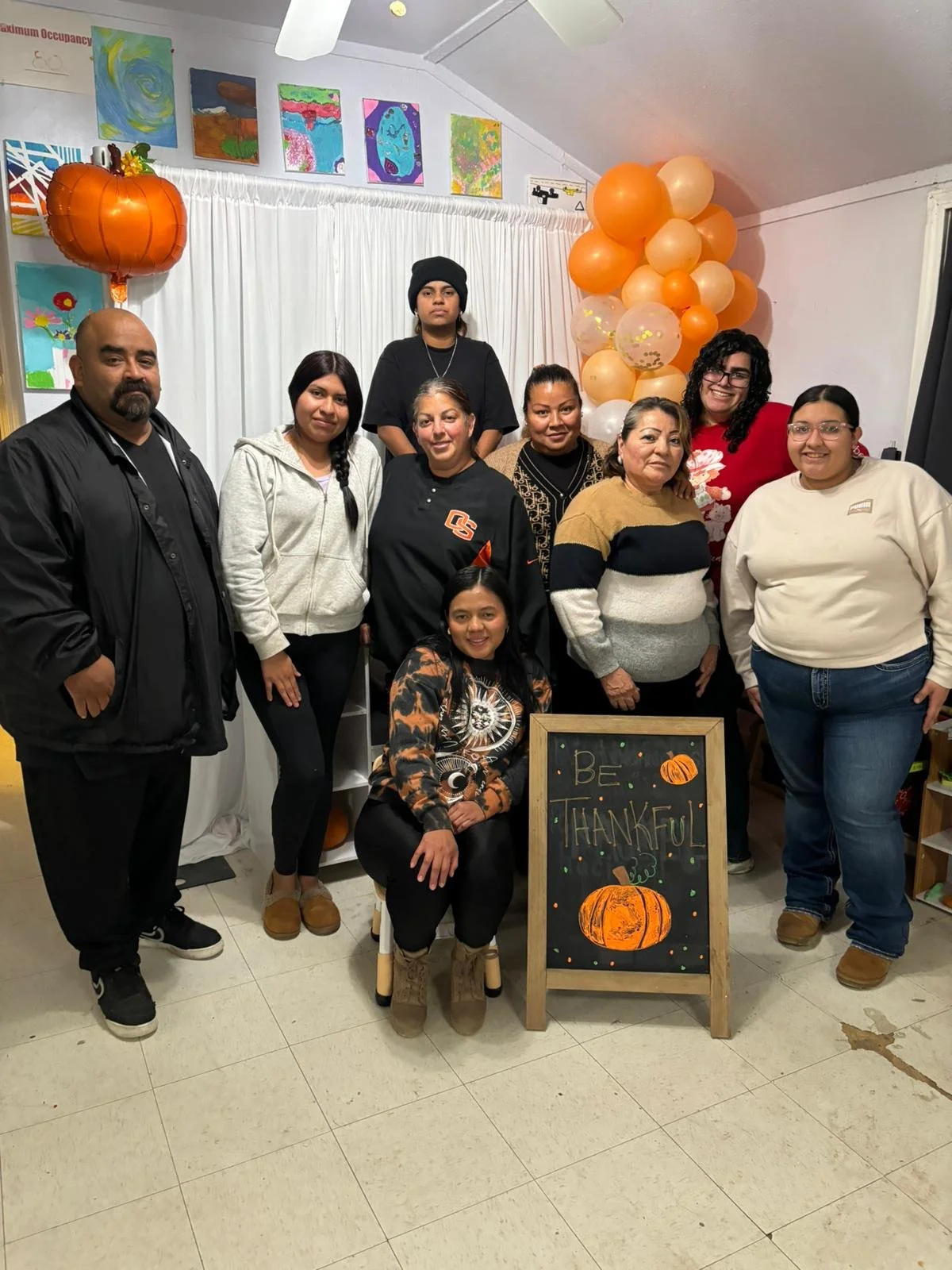
The cooperative business development model reflects APA’s values of solidarity, collective care, and community empowerment. Examples of cooperative and nonprofit community-owned enterprises include childcare co-ops, housing co-ops, health clinics, food co-ops, farmer co-ops, and community land trusts. As of now, Allensworth is exploring two proposals: (1) a childcare cooperative and (2) small farmer cooperative, with the broader goal of building a Solidarity Economy across multiple sectors in the community.
On-Farm
Workshops
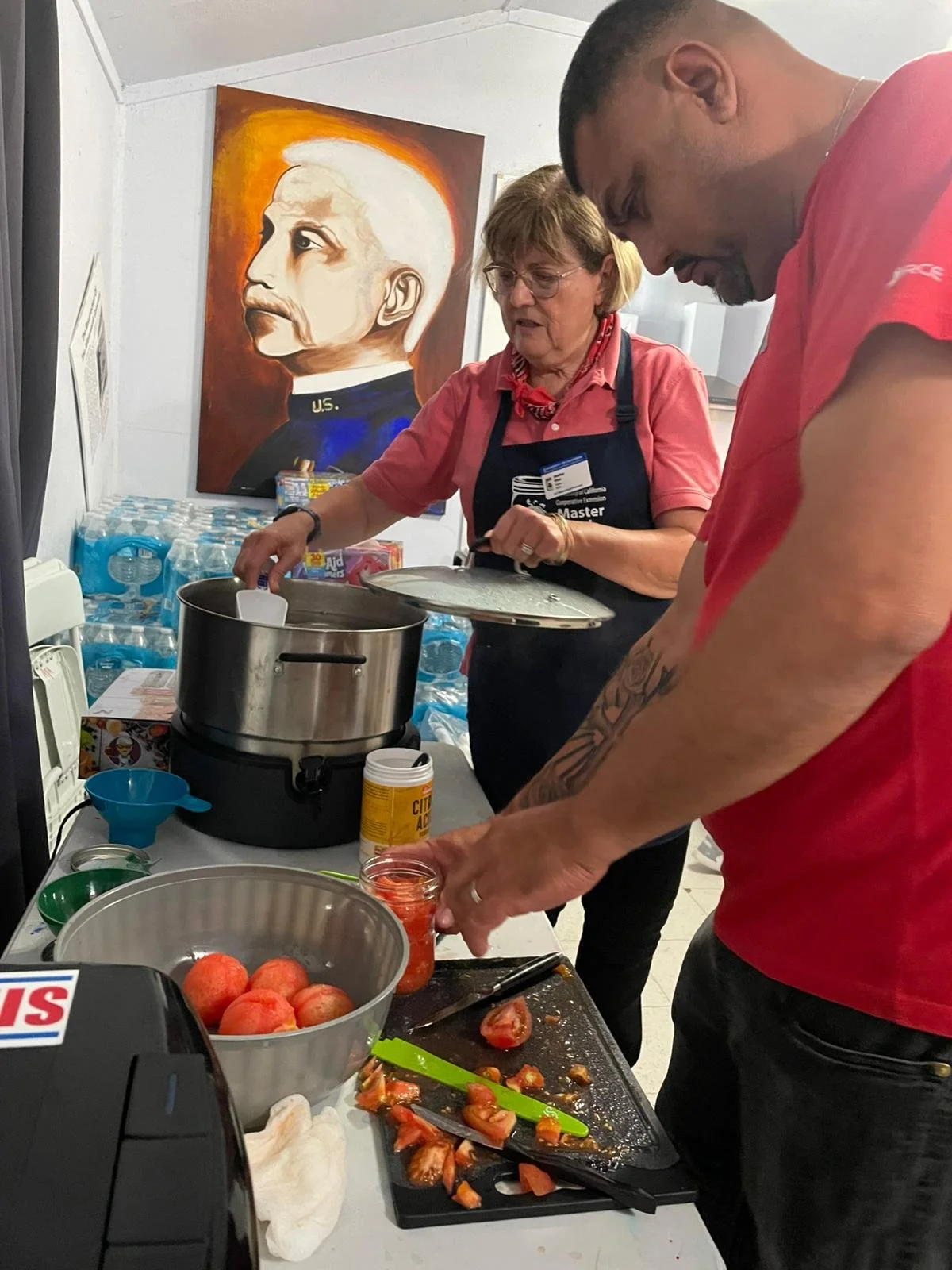
The AAES Garden offers a range of learning opportunities both on the farm. On-farm activities focus on seasonal planting, maintenance, and land stewardship, giving participants hands-on experience with sustainable agriculture and ecological growing practices. In addition, there are workshops on propagation, food preservation, and resilient planning to strengthen community knowledge and preparedness providing practical skills that complement garden learning. Together, these programs support community education, skill-building, and a deeper connection to local food systems and the environment.