
Allensworth Agriculture Experiment Station
Iteration One
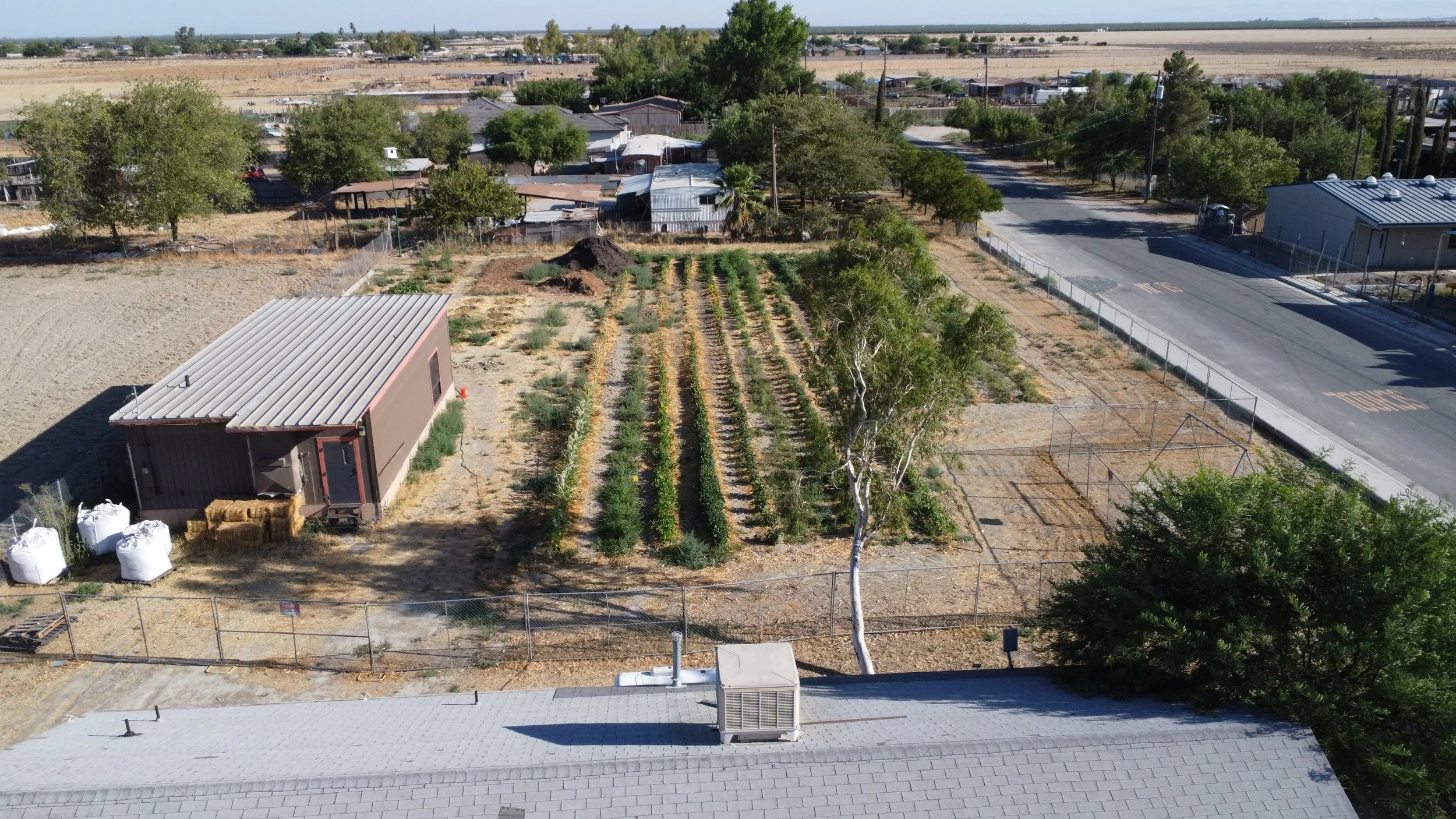
In 2024, with guidance from Shamik Chandrachood, Kinah Hutson, and Nina Weithorn , the AAES Garden was established as the first iteration of a community garden in Allensworth. Following the five core principles of regenerative agriculture, we began applying soil-building techniques like layering organic matter and planting summer cover crops. The garden is inspired by the Tuskegee Agricultural Experiment Station, where George Washington Carver experimented with organic farming and educated Black farmers on sustainable food production. Our goals were to grow fresh produce for residents, experiment with soil restoration, and create a living classroom demonstrating what a full-scale community farm could become. Success was defined simply by what could and couldn’t grow in the soil due to short timeline and poor soil conditions.
Garden Design
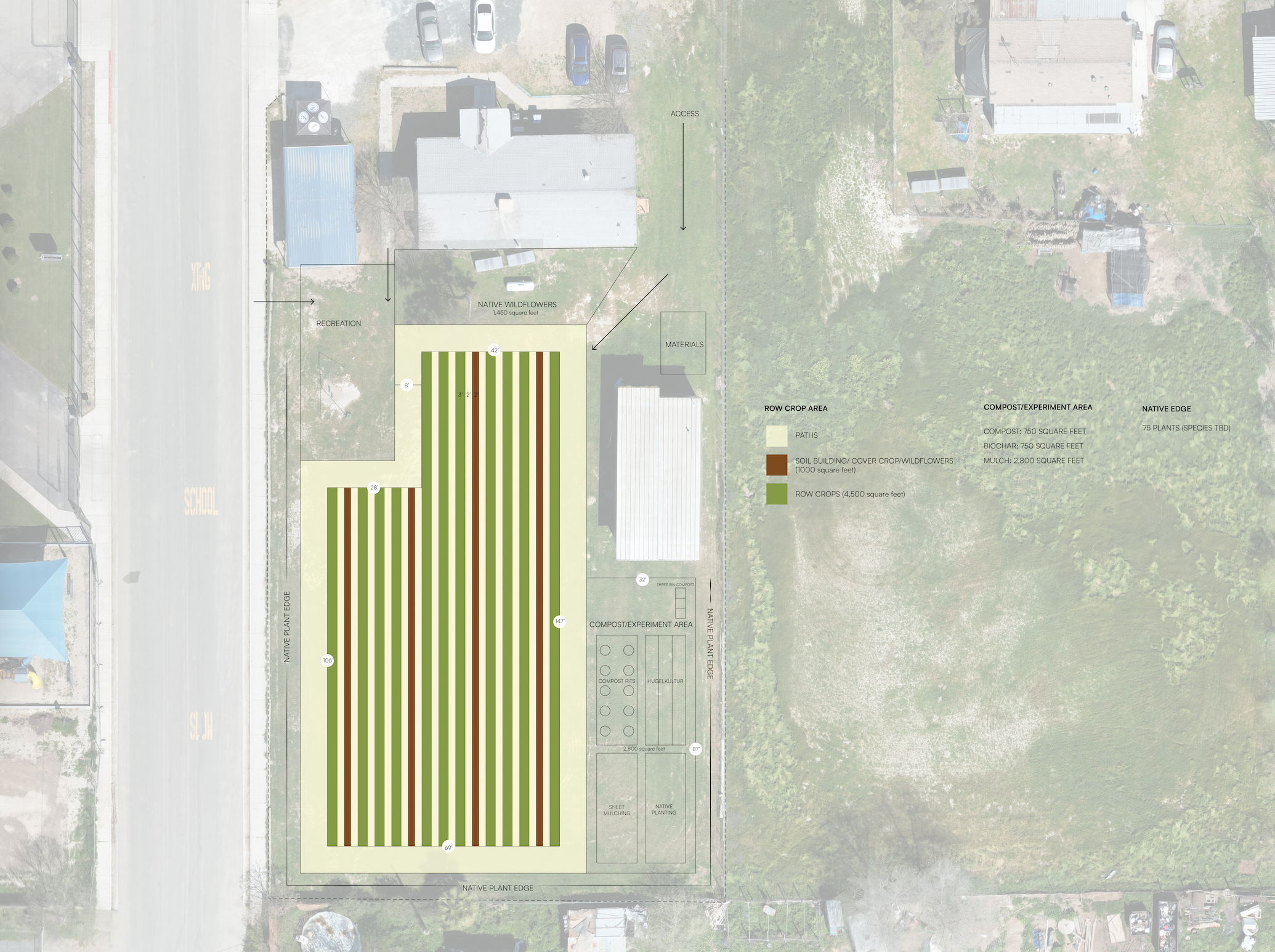
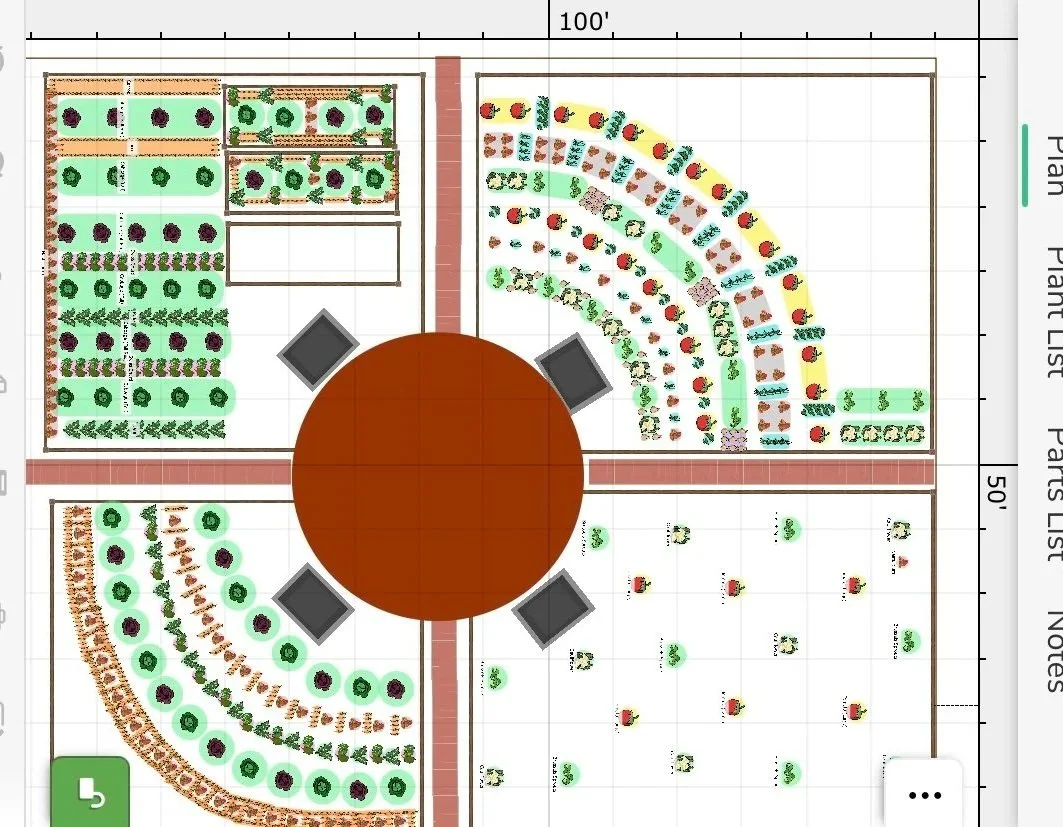
The site was organized into distinct areas to balance production, experimentation, and habitat creation. A 9,000 sq ft section is dedicated to annual row crops for fresh produce. The Allensworth Agricultural Experiment Station 2,800 sq ft serves as a hands-on experimental and educational area, featuring a 3-bin compost system for community food scraps, restaurant waste, and potentially materials from Allensworth Elementary School. A 1,450 sq ft patch is planted with California native annual wildflowers, while the perimeter includes a habitat edge of California native perennial shrubs to support pollinators and local wildlife. Together, these zones integrate food production, soil regeneration, and ecological diversity within a compact, community-focused design.
Iteration Two
Today, the garden continues to serve as a hub for increasing local food security, engaging the community through hands-on learning and outreach, and promoting environmental stewardship. In the summer 2024, Kaashif was brought on as the farm coordinator, with the support of Kinah and Community Action Committee (CAC), guiding the Allensworth Agricultural Experiment Station (AAES) through its 2025 operating year as a hub for the APA’s community engagement, agricultural education, soil-building demonstrations, and local produce distribution. This year centered on hands-on vegetable production, community engagement, and the continued practice of regenerative soil management techniques. Together, these efforts guide the garden’s ongoing evolution, integrating education, productivity, and ecological stewardship.
Garden Design
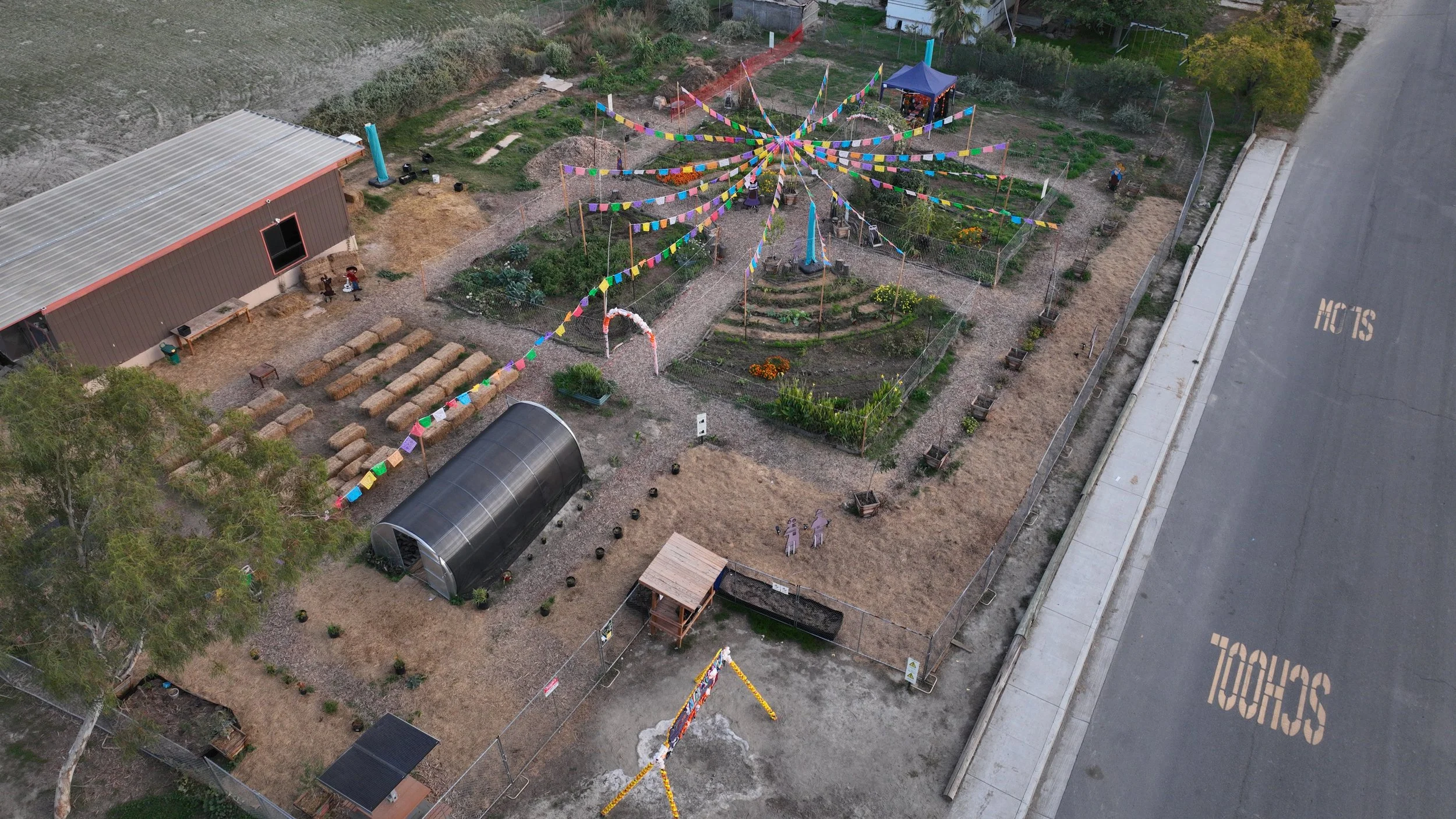
The garden is organized around the concept of the Four Corners of the World, with all sections flowing toward a central hub. At the heart of the garden, the hub serves as a gathering space for classroom activities, workshops, and community events, bringing together volunteers, students, and residents. It provides a place for hands-on learning, collaboration, and engagement, where people connect with the land and each other. Designed to support food security, environmental stewardship, and community involvement, the central hub embodies the garden’s mission and energy. Here, the garden comes alive as both a learning environment and a vibrant community space.
Key Features
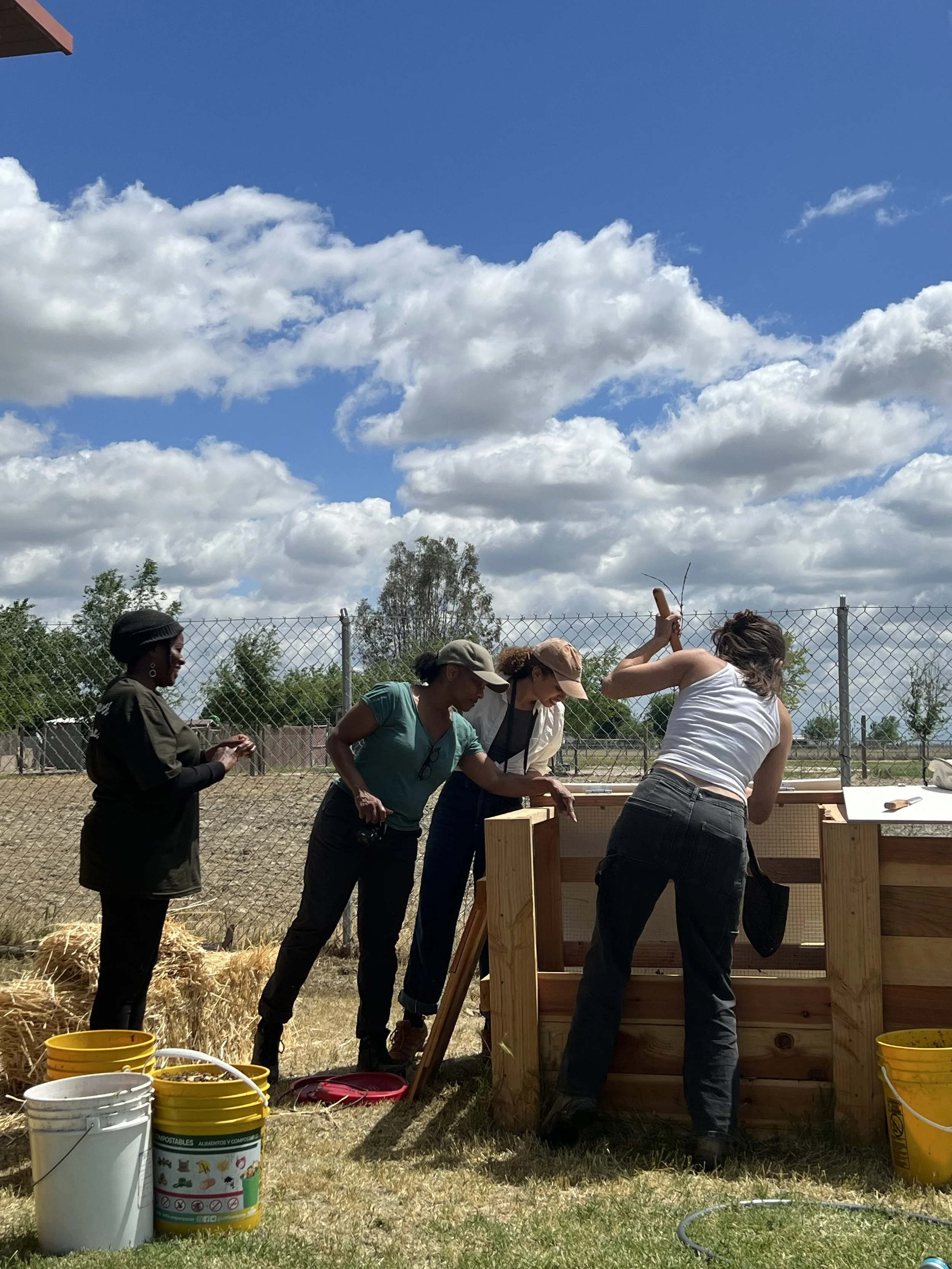
Compost Station
3-bin system for community and school waste, including hot piles and tea brewer
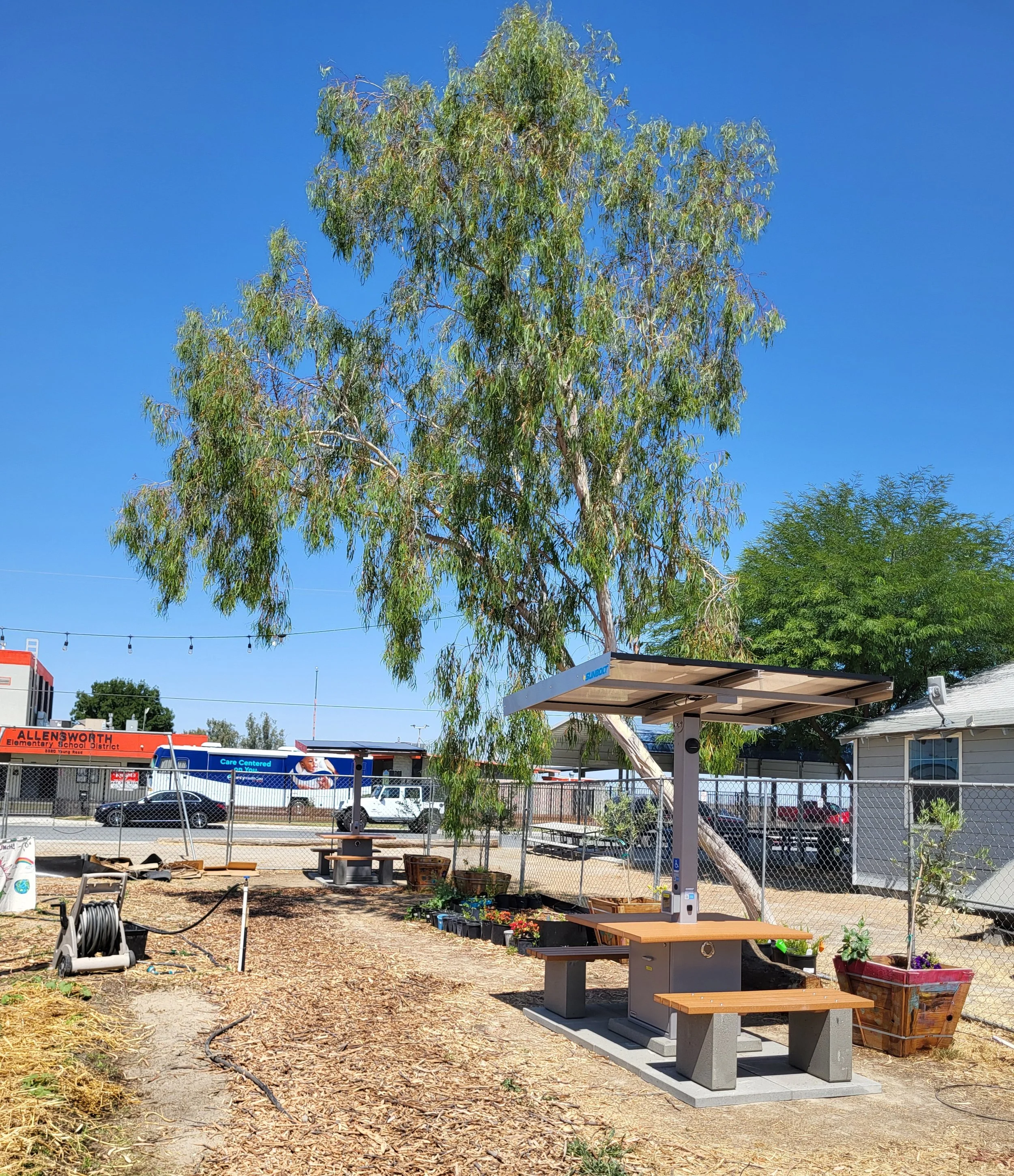
Solar Benches
Donated by Red Cross, providing seating and solar charging
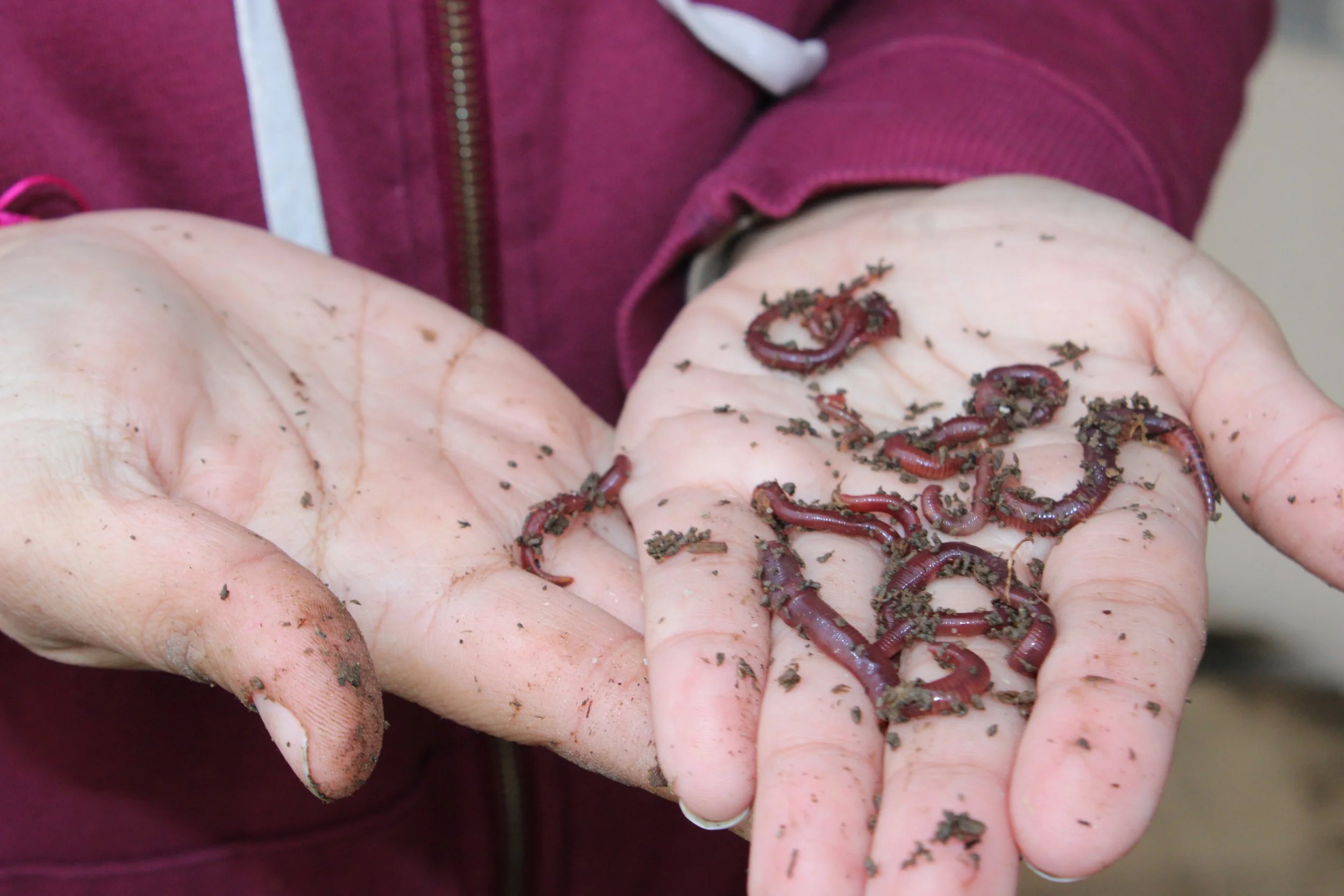
Vermiculture
Enriches soil and accelerates organic matter breakdown.
Nursery
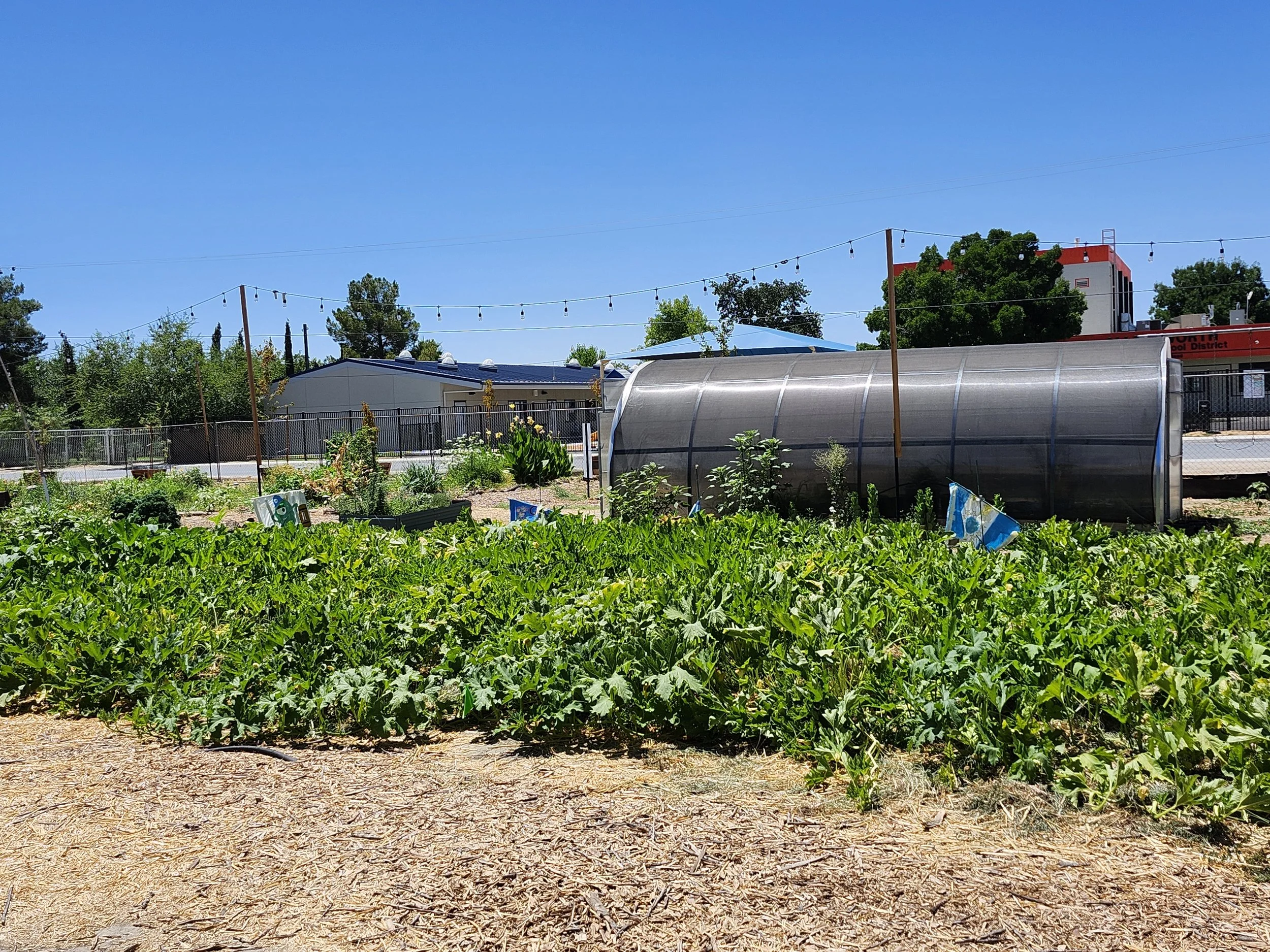
Space for starting seeds, propagating plants, and any plant donations
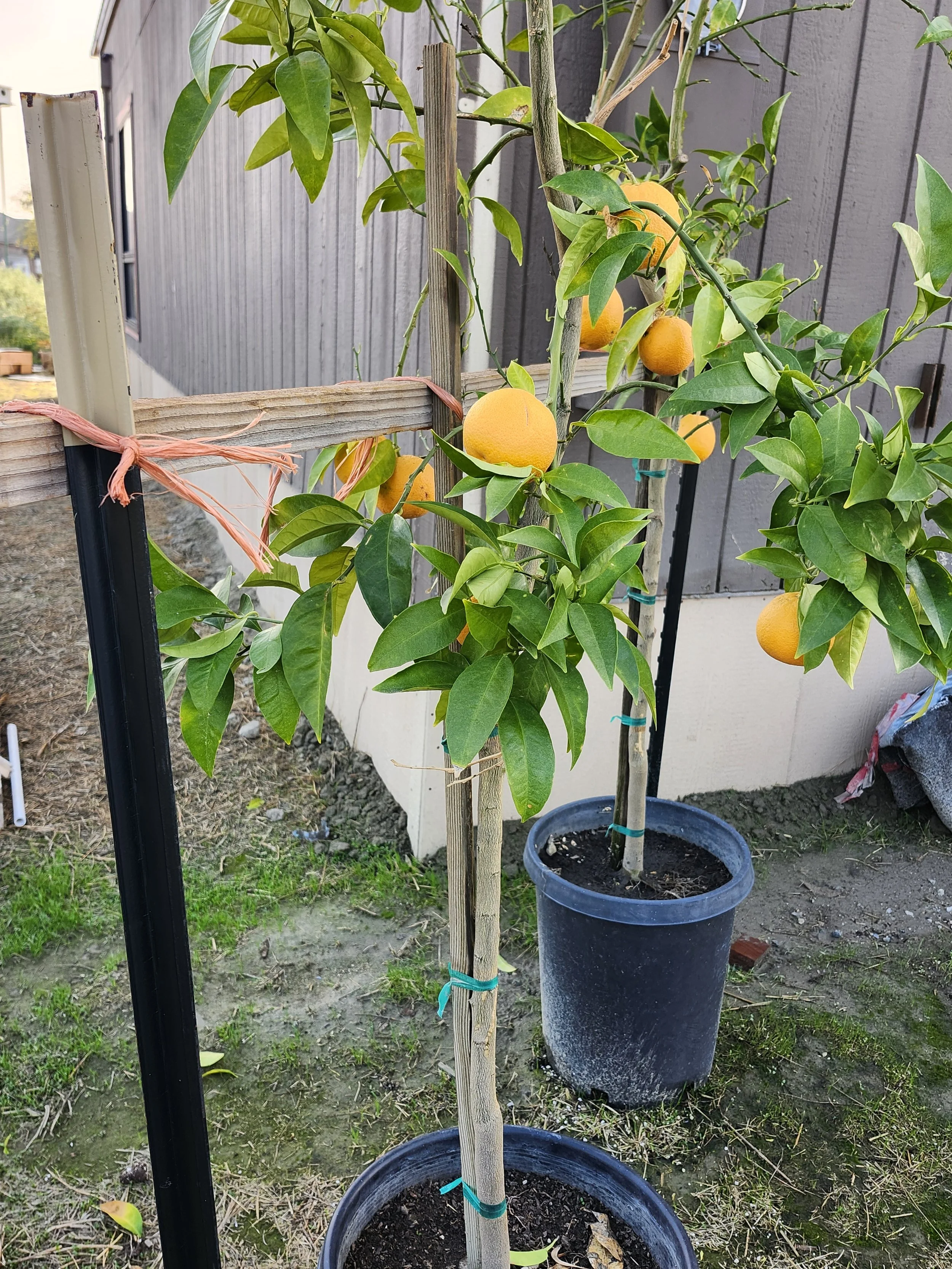
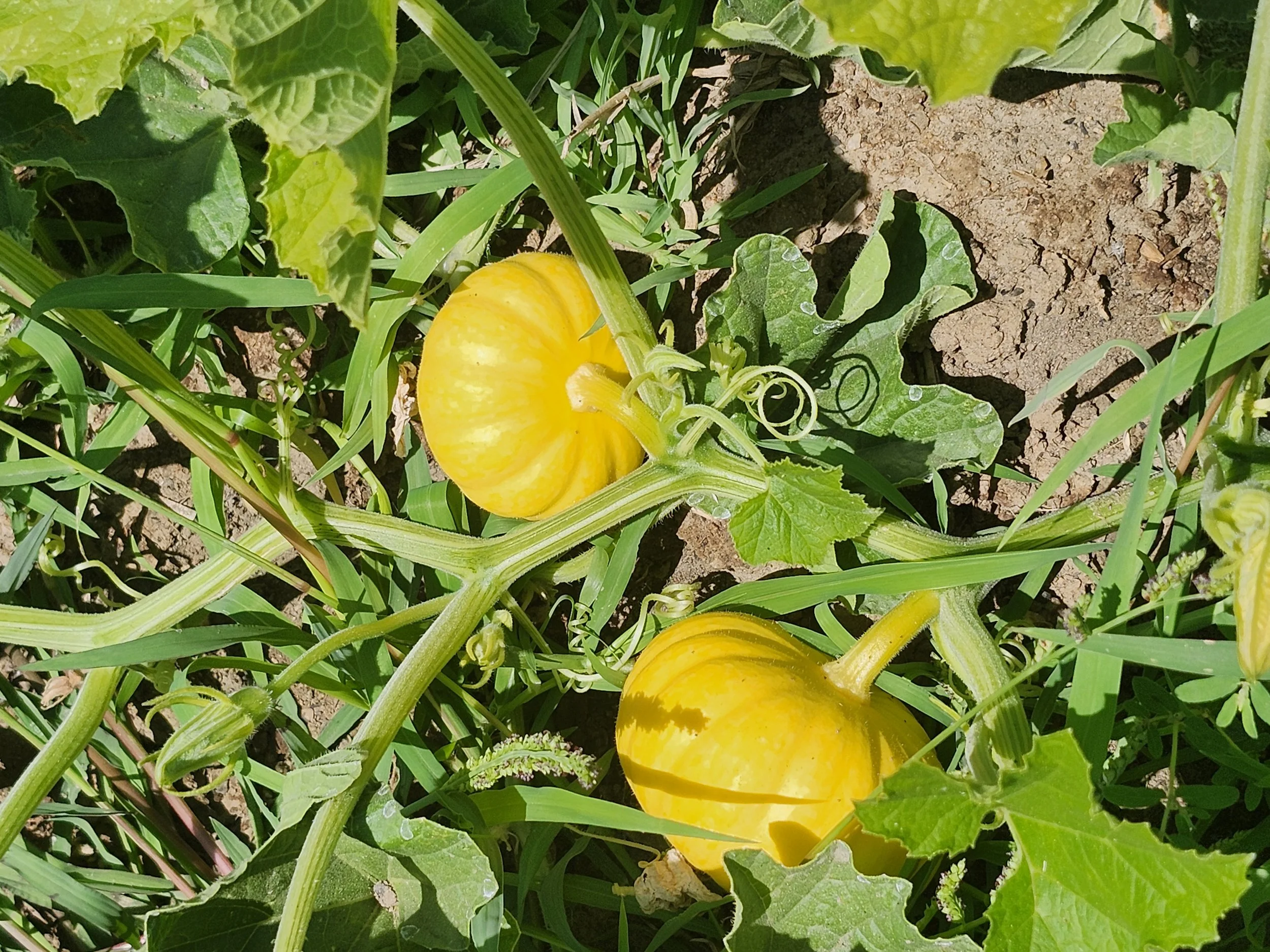
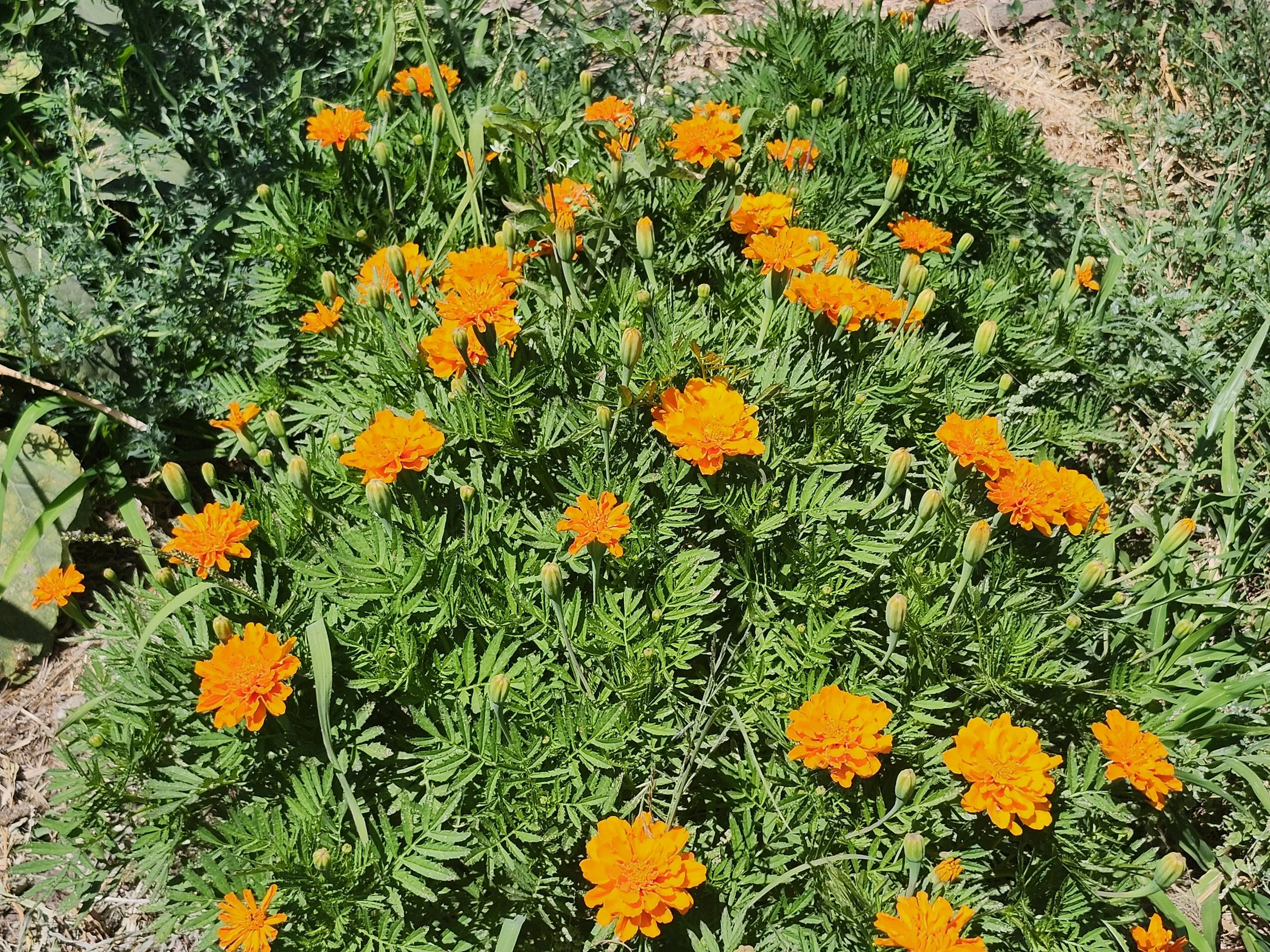
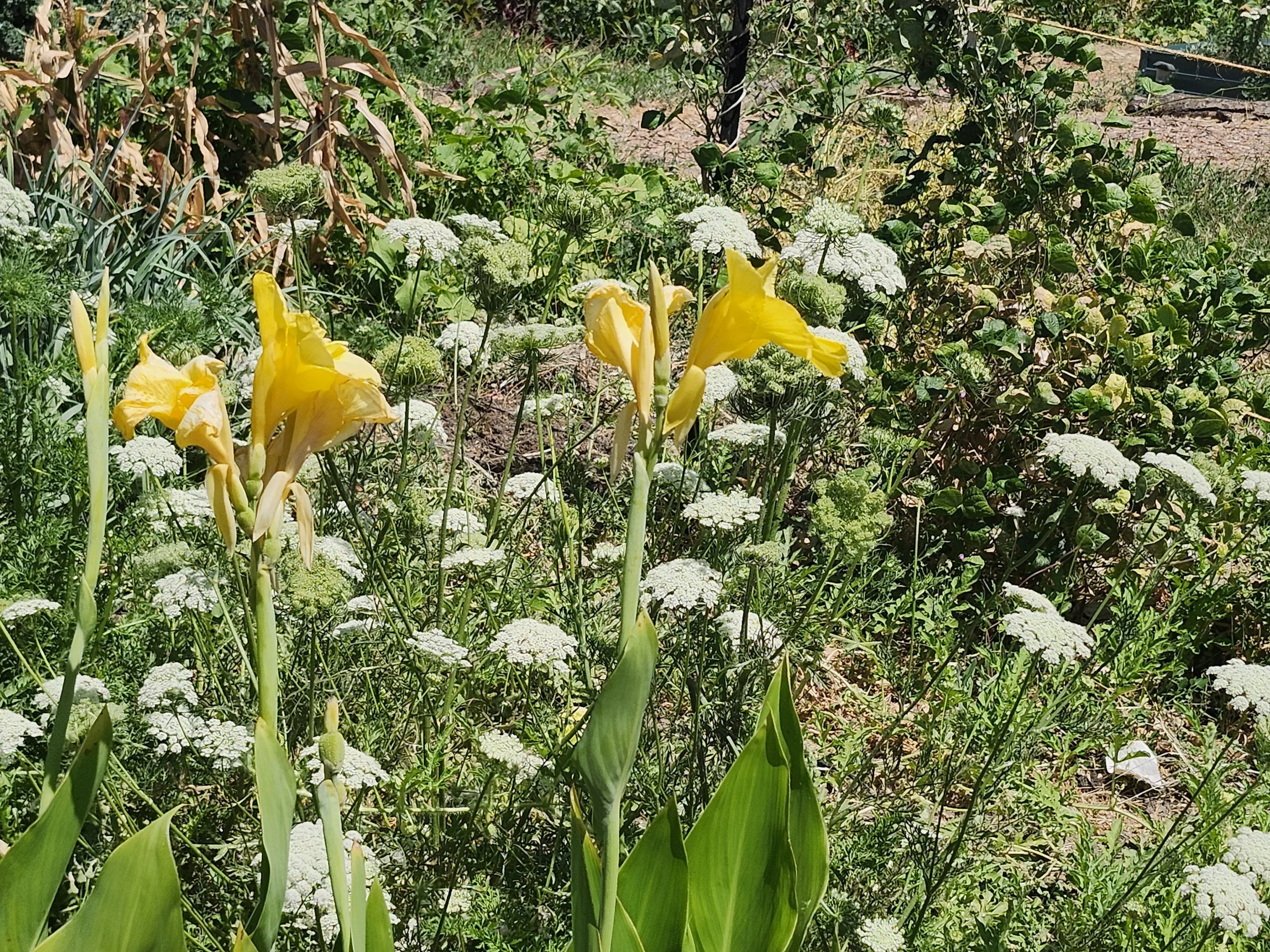
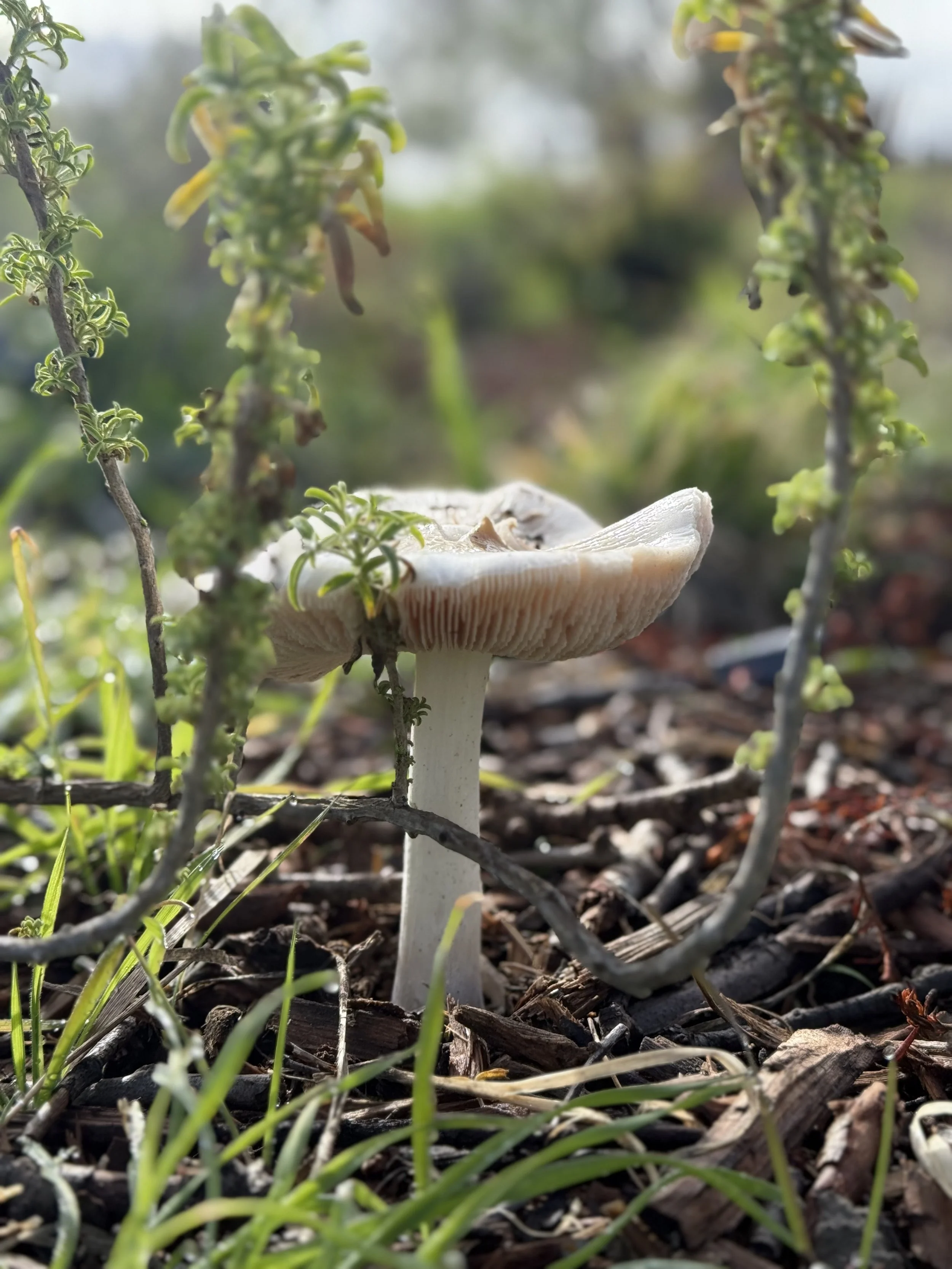
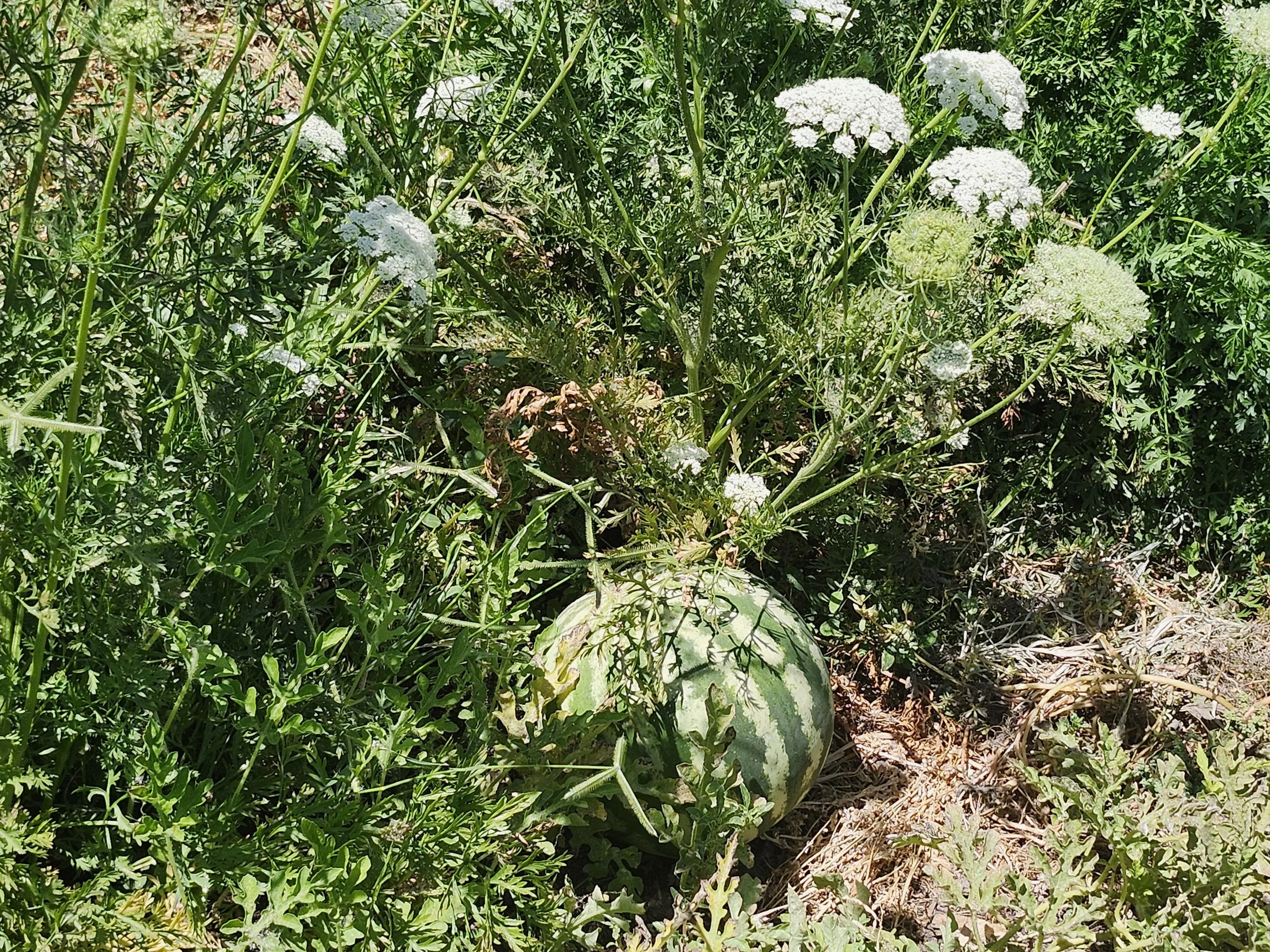
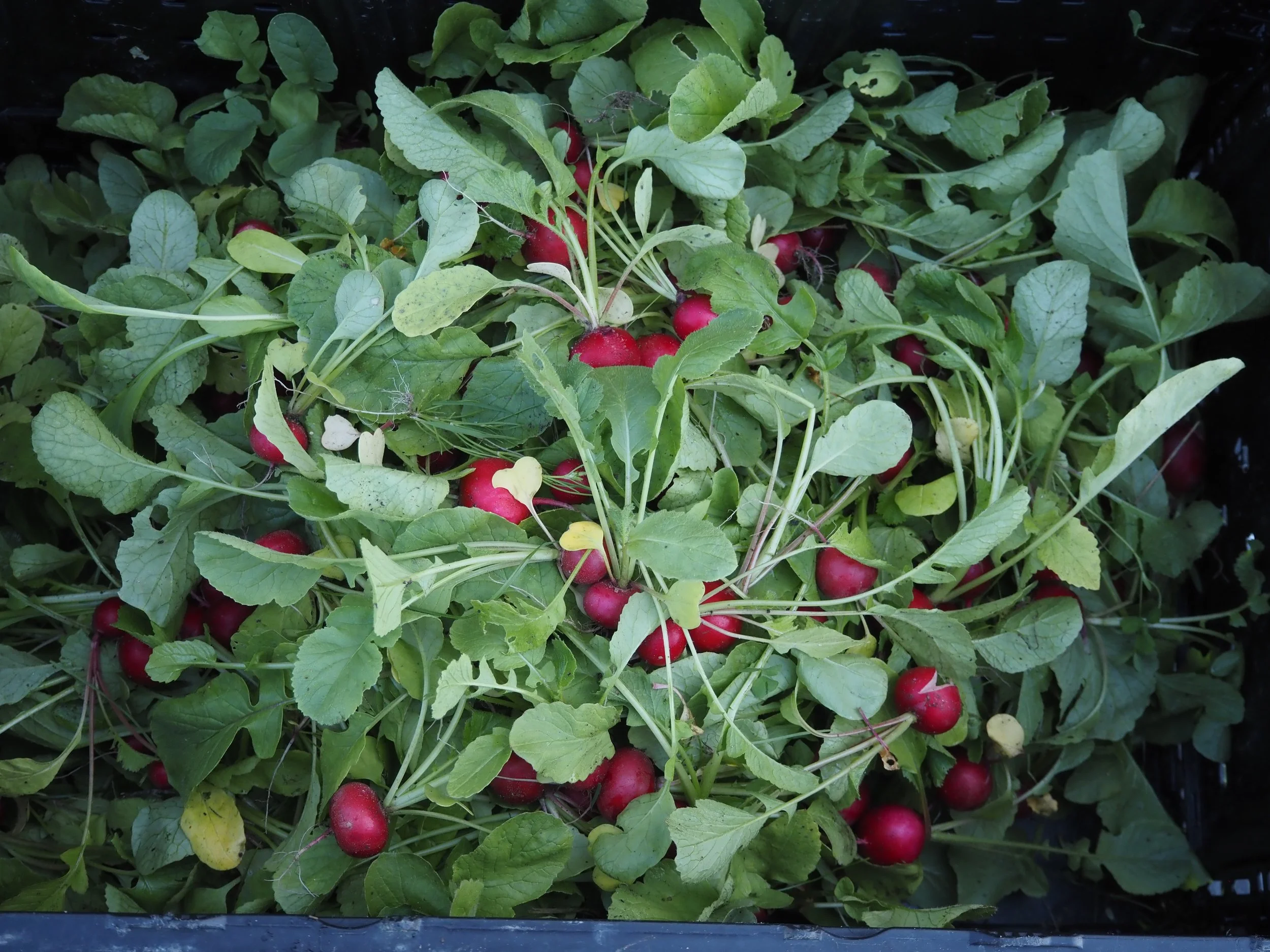
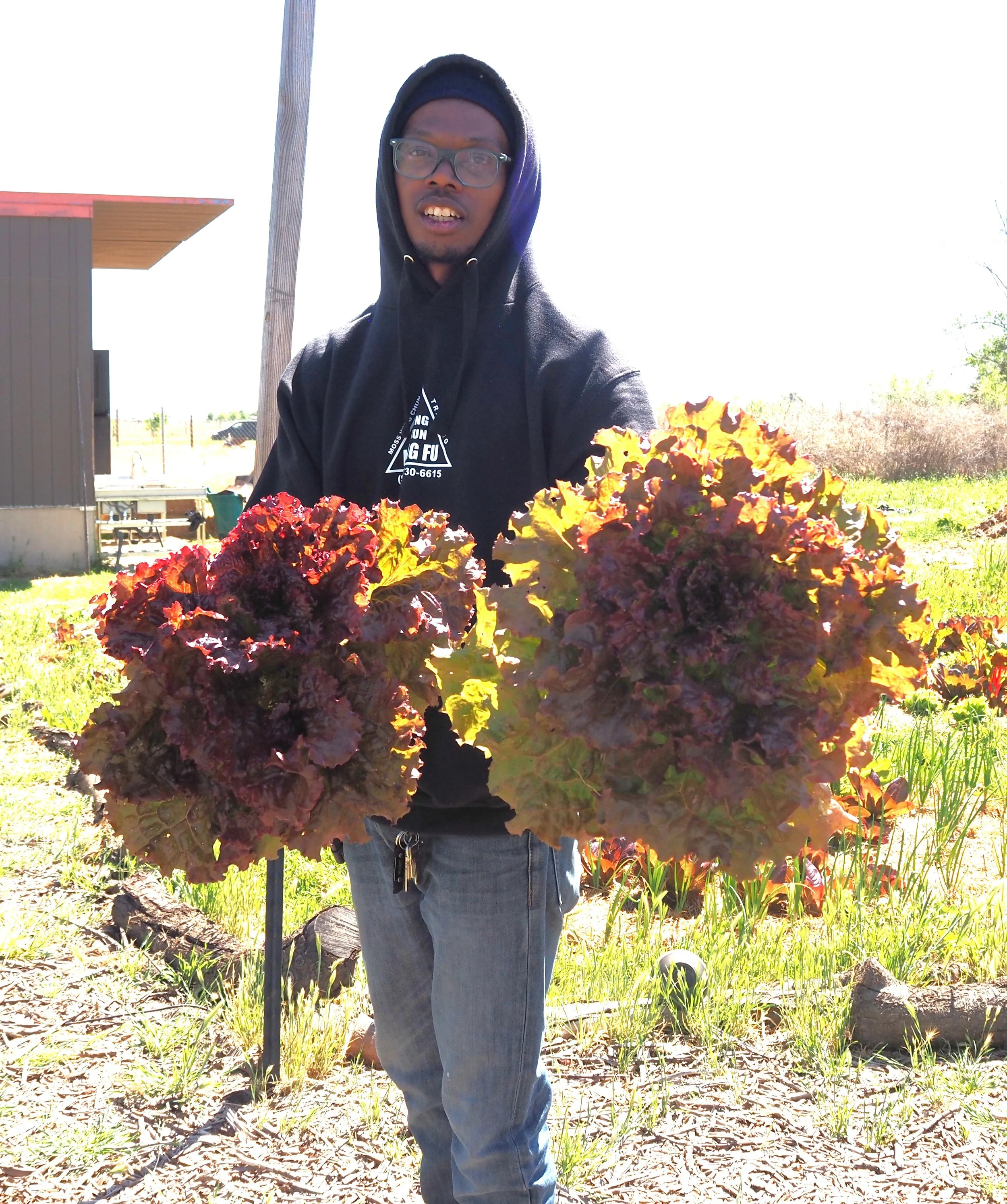
The garden cultivates a mix of native plants and seasonal crops supporting biodiversity, soil health, and community needs.
What’s Growing
Farm Stand
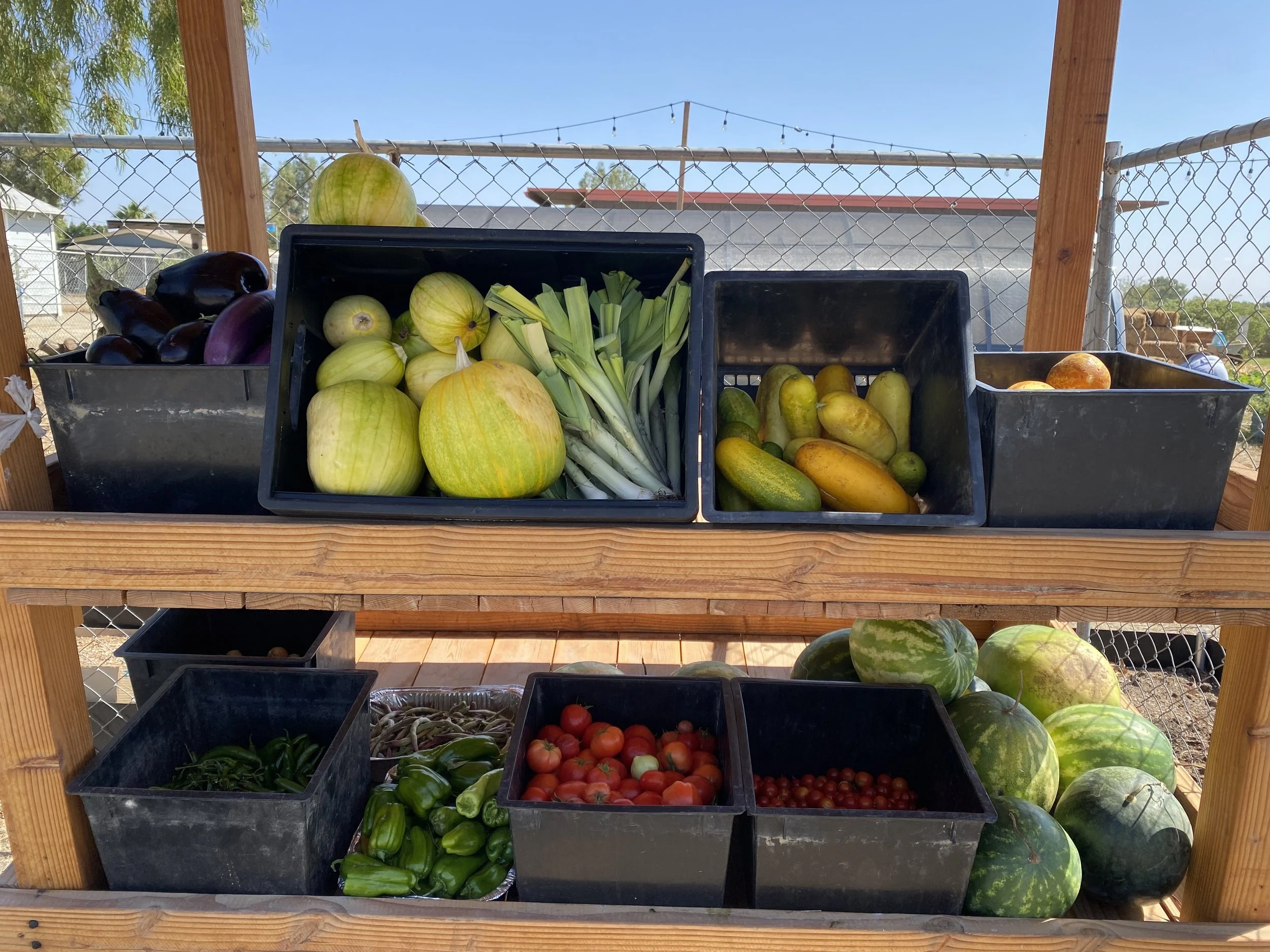
Located next to the Community Center, the AAES Farm Stand offers free, locally grown fruits and vegetables from the garden. The stand connects the garden’s work directly to the community, providing access to fresh produce for all. In 2025 alone, the AAES team distributed over 2,000 pounds of fresh produce.
Education & Youth Engagement
Creating space for learning through educational programs in the garden.
Farm Visits & Youth Programs
Students and youth groups from nearby schools, summer programs, and special courses visit the garden to engage in hands-on learning about food systems, soil health, and climate. These visits also include garden tours and interactive experiences, connecting participants with the community garden.
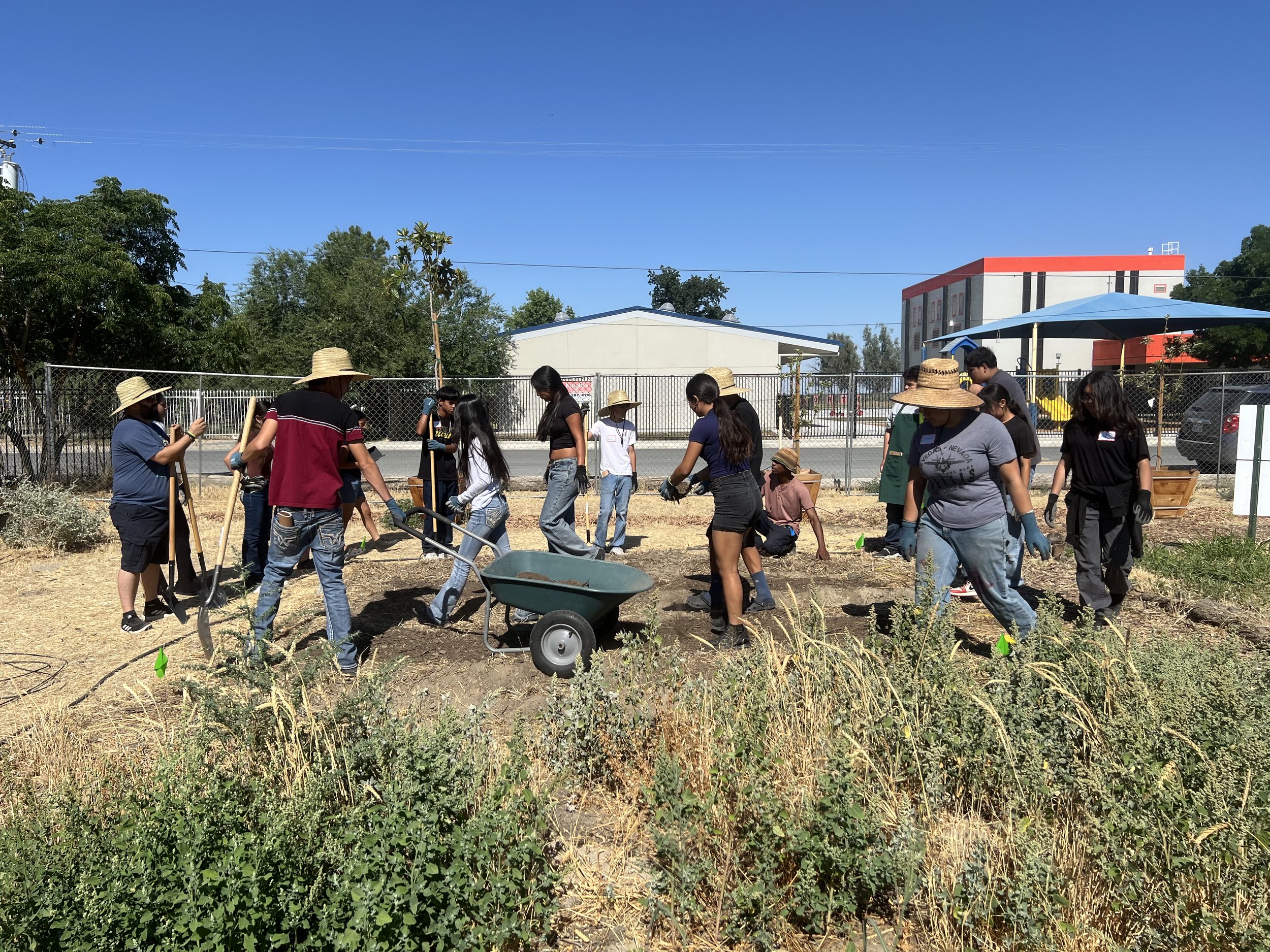
Tulare Lake Project-Based Learning Program Integration
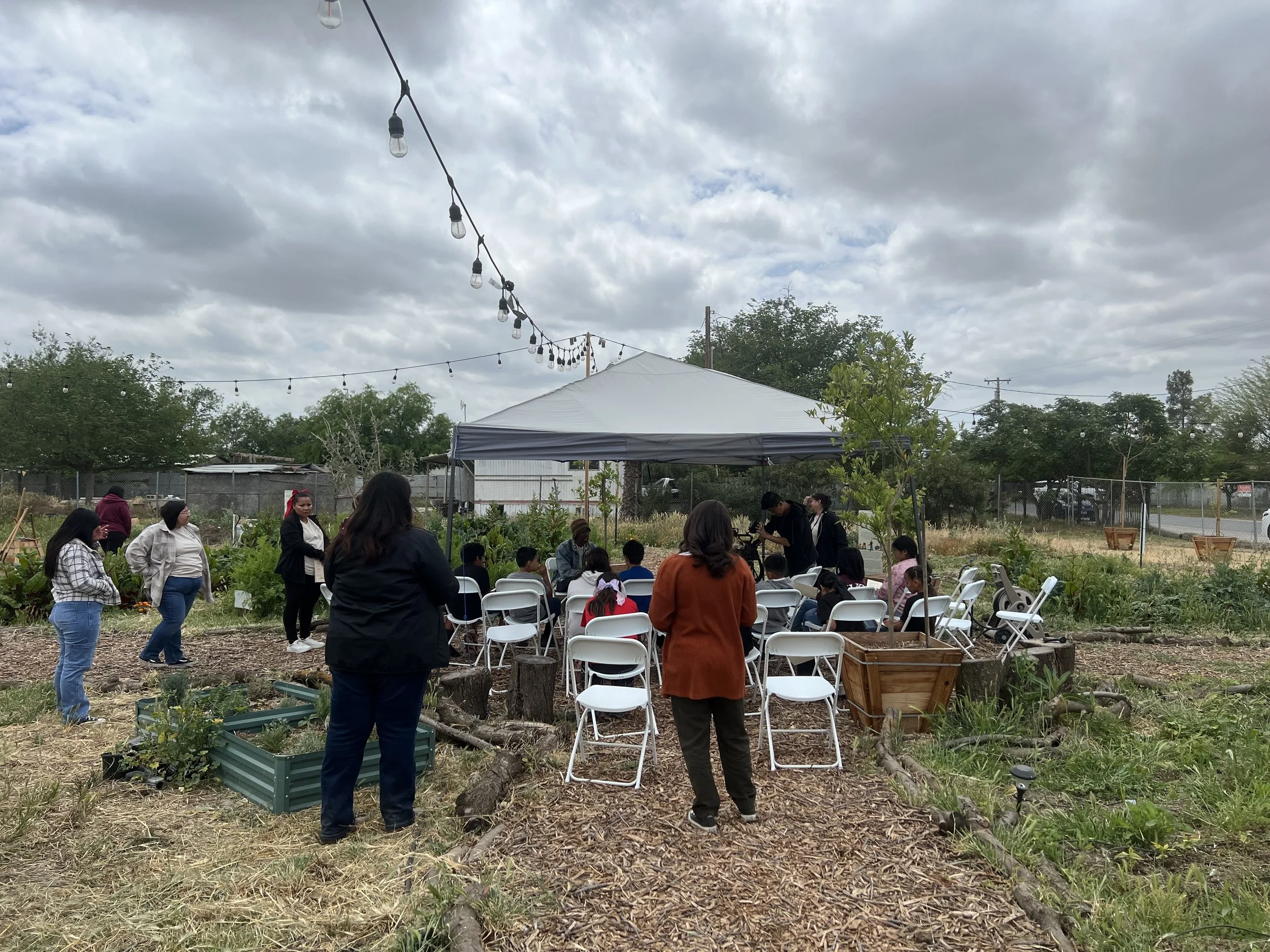
Earth Week Allensworth Elementary School site visitation & On site field trip
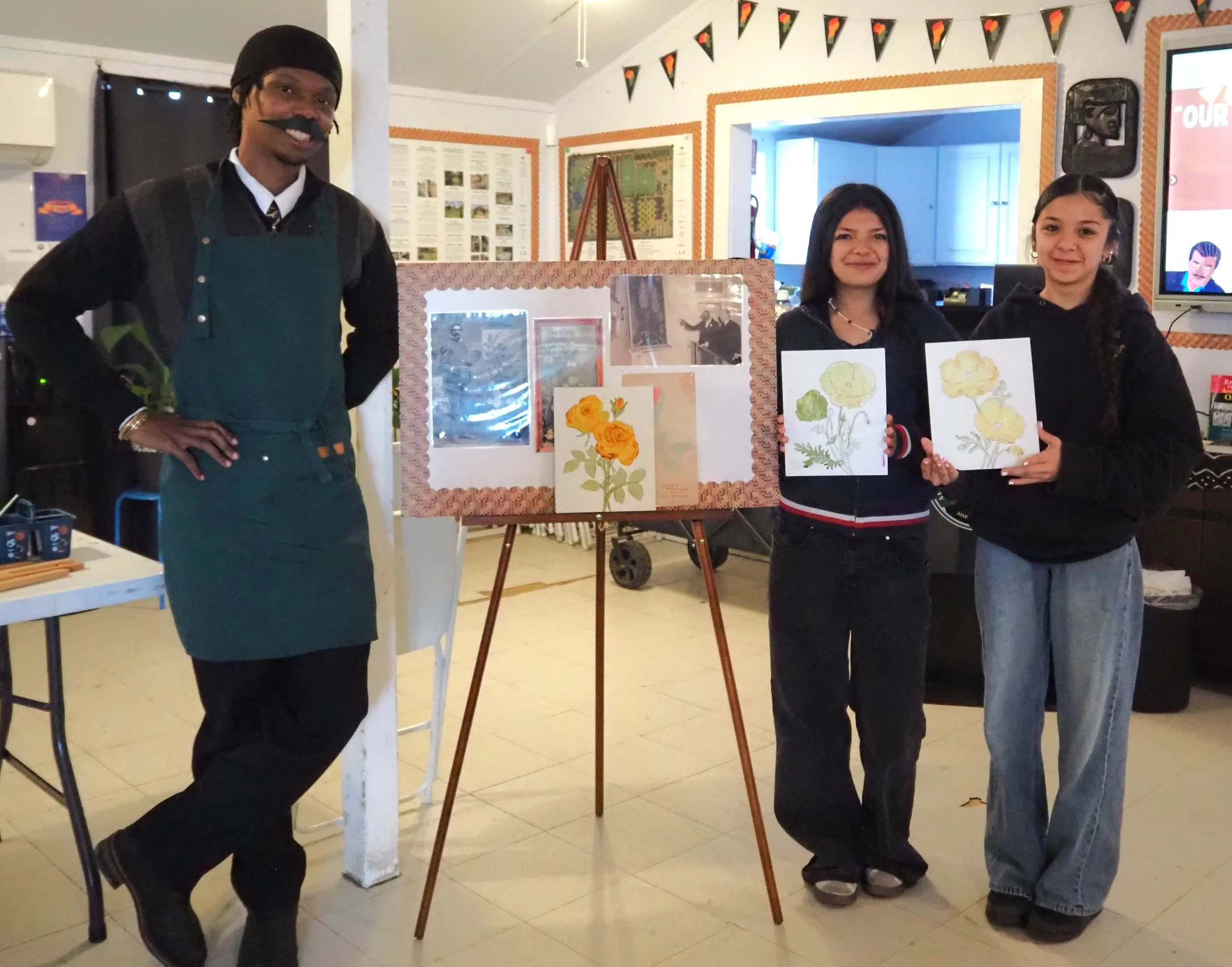
Black History Month Event
Classroom Workshops
Throughout the year, the garden hosts workshops that connect food production with practical skills and environmental education. These workshops extend the garden’s impact beyond growing food, strengthening community knowledge around preservation, waste reduction, and sustainable practices.
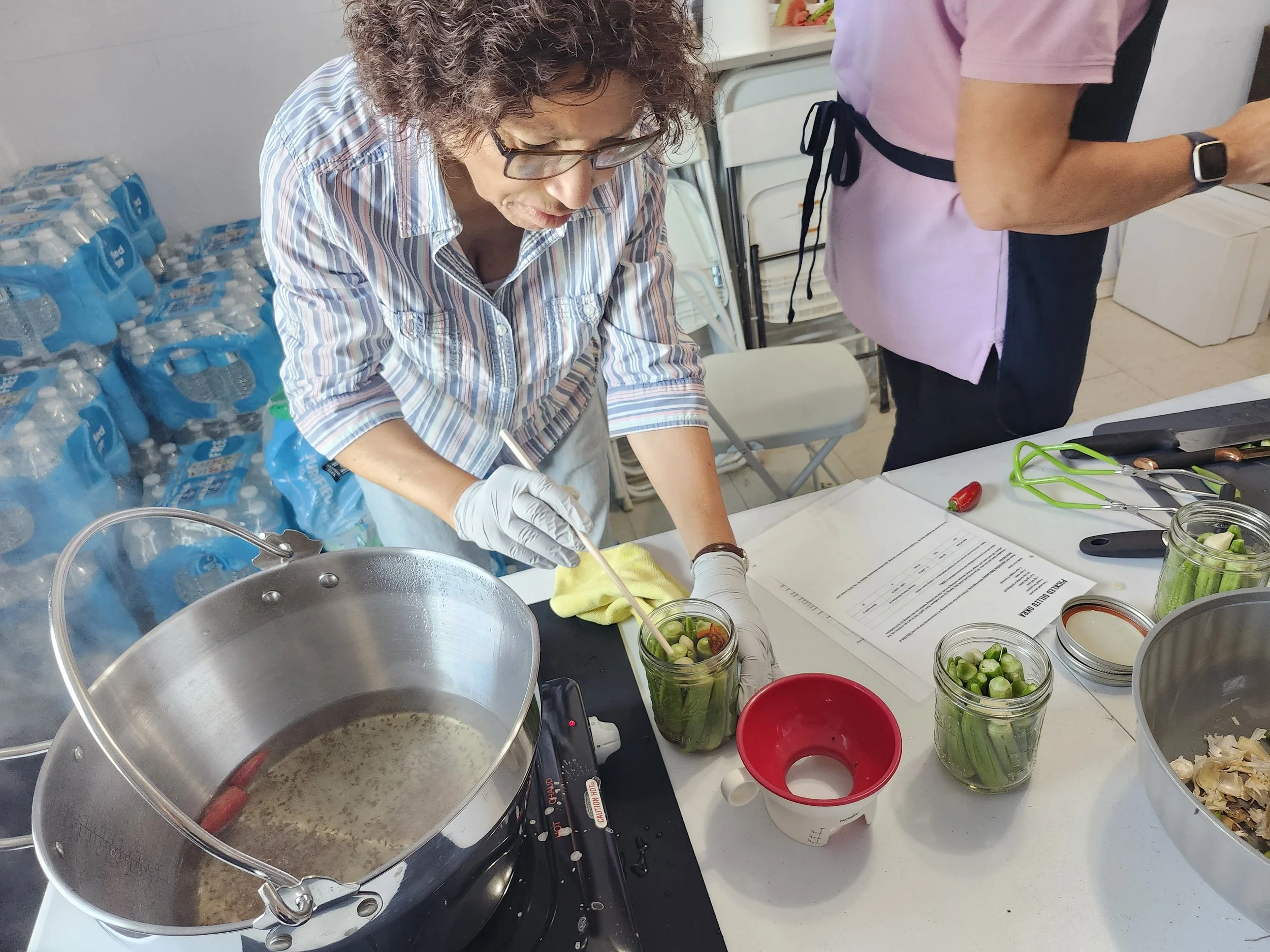
Canning workshop #2 Okra and Peppers
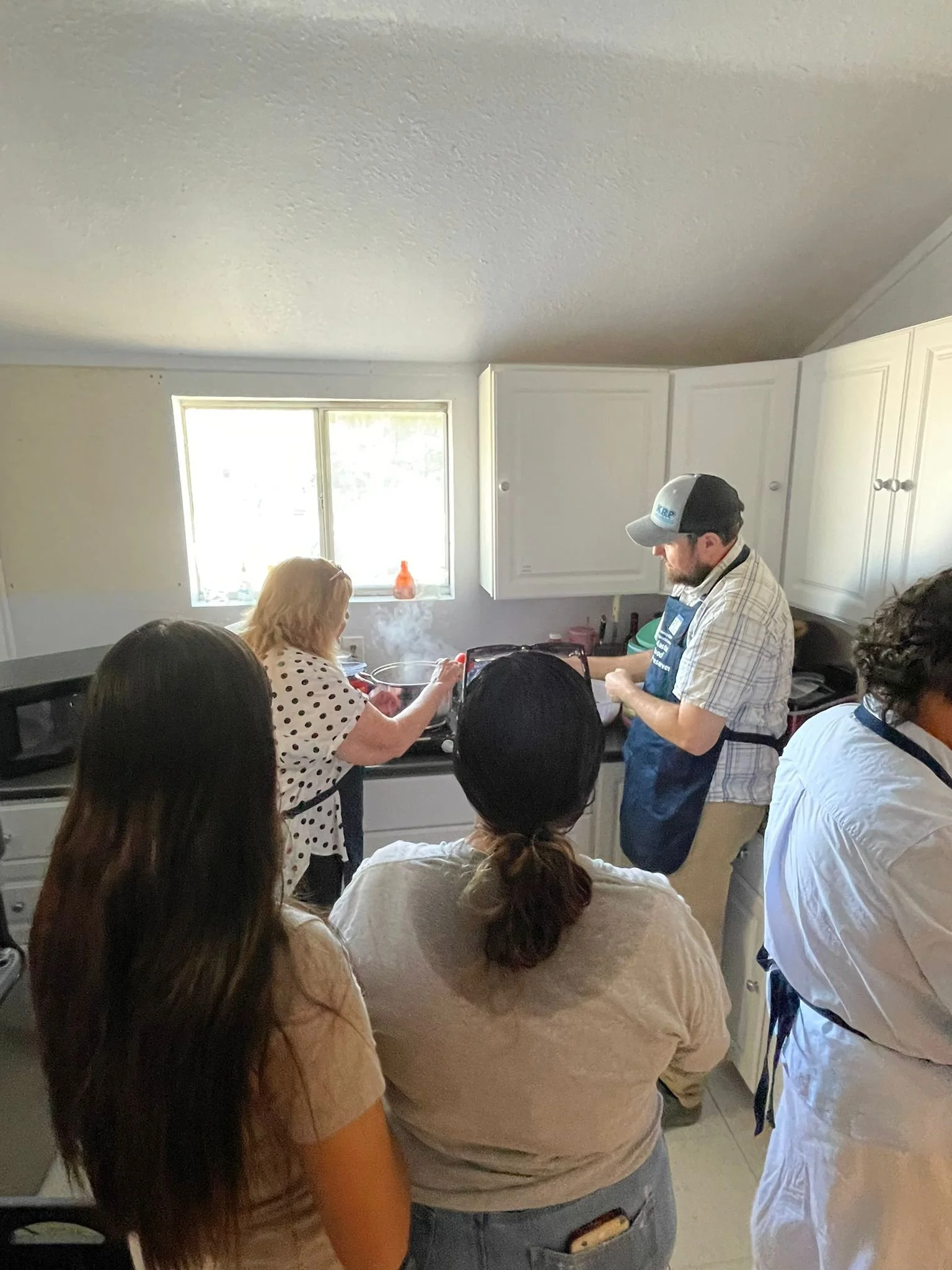
Canning workshop #1 Tomatoes
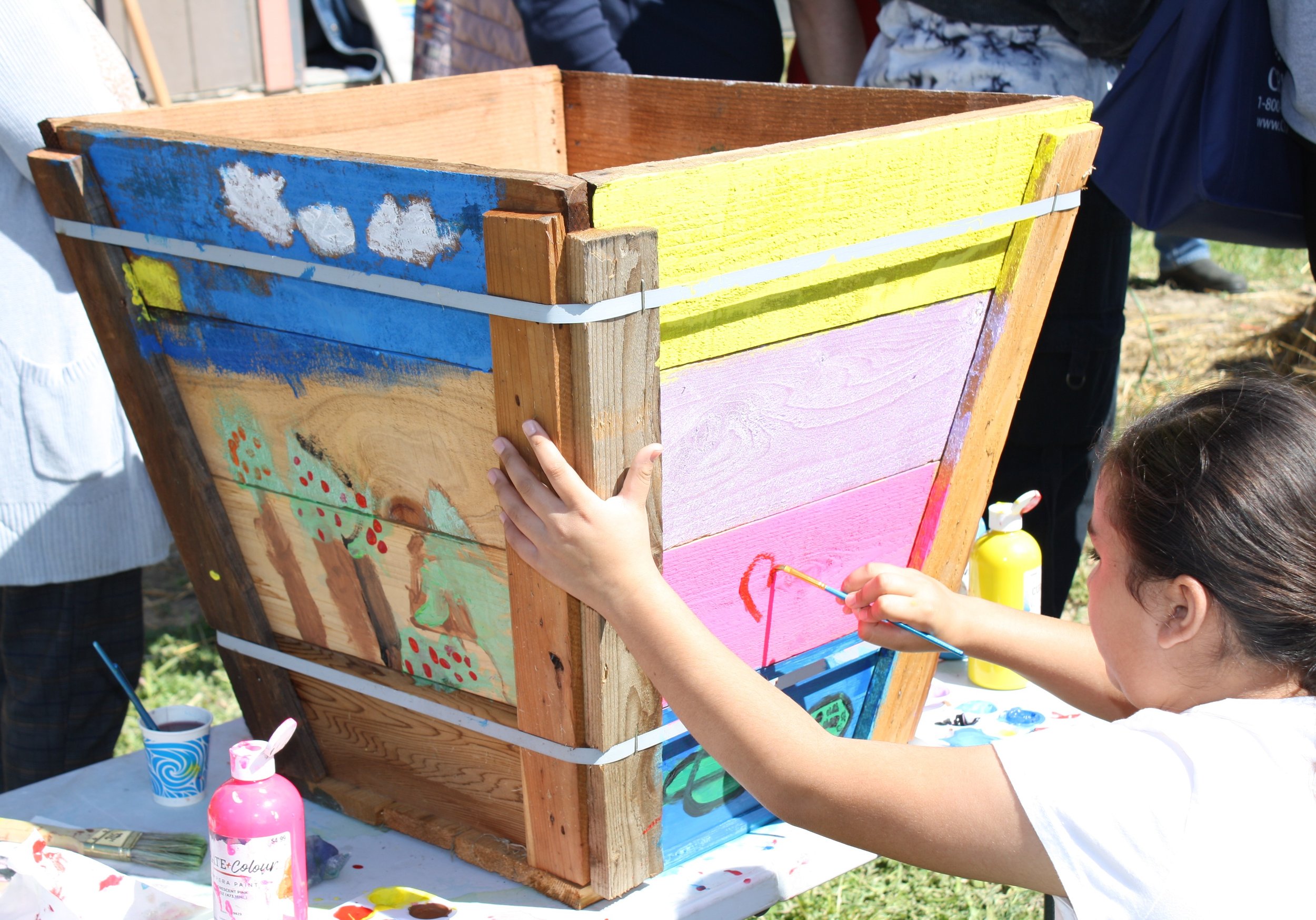
SEED (Sequoia Environmental Education Directive) collaboration Composting event
Volunteer with Us!
Community Garden Work Days are held on the first Friday and third Saturday of each month, from 9:00 am - 11:00 am. These sessions focus on seasonal planting, garden maintenance, and ecological restoration to support the AAES Garden.
If you’re interested in helping beyond the Garden Work Days, please leave your email and we will contact you to join as-needed volunteer opportunities.

Contact Information
Kaashif Farm Coordinator kaashif@allensworthpa.org
Kinah Farm Field Tech Assistant kinah@allensworthpa.org

Operation Hours

Monday - Friday
8:00 AM - 4:00 PM
Closed on all Federal Holidays
Location

Allensworth Community Center 8123 Ave 36, Allensworth, CA, 93219
The AAES is located behind the community center