
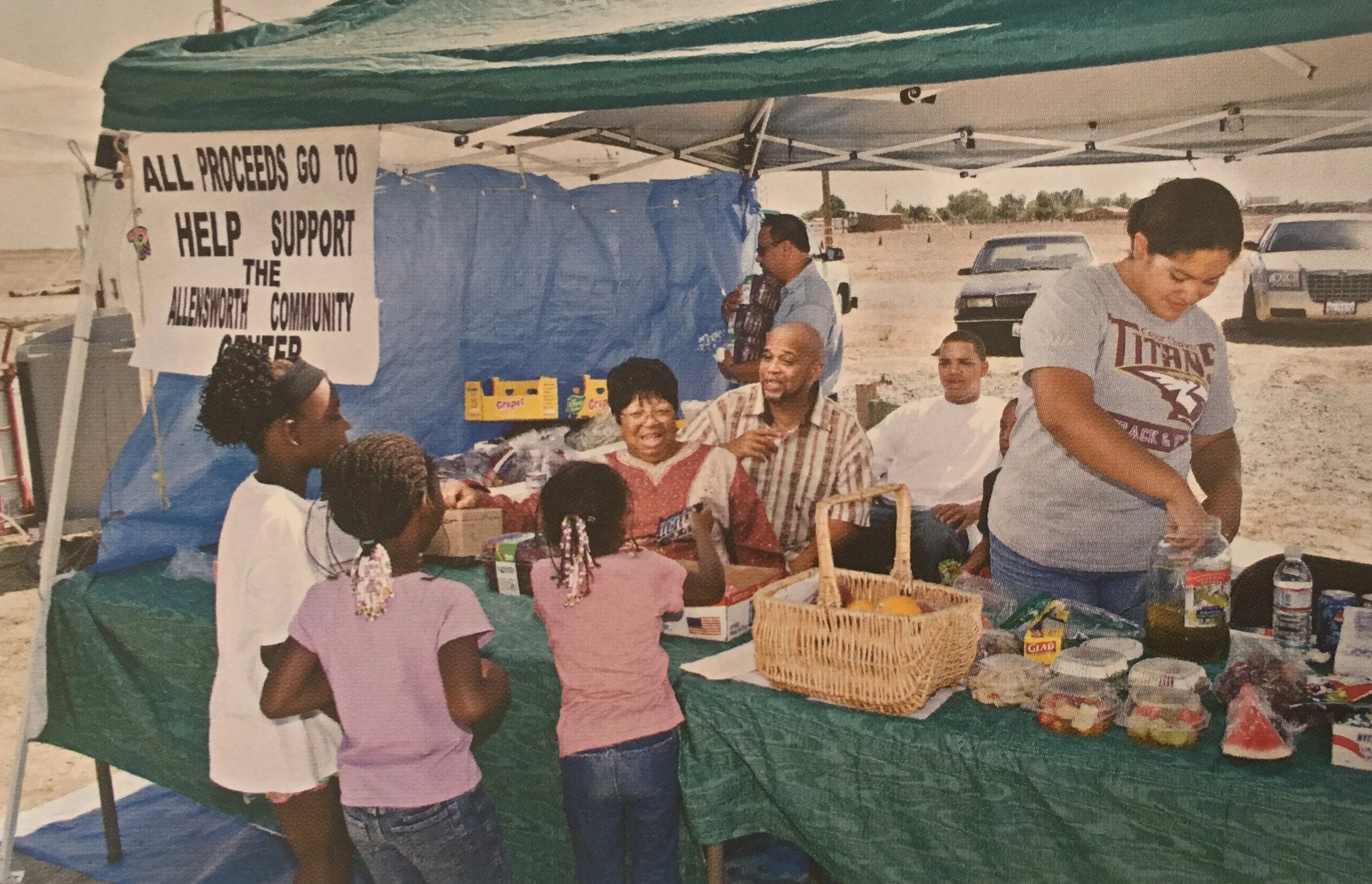
Allensworth History

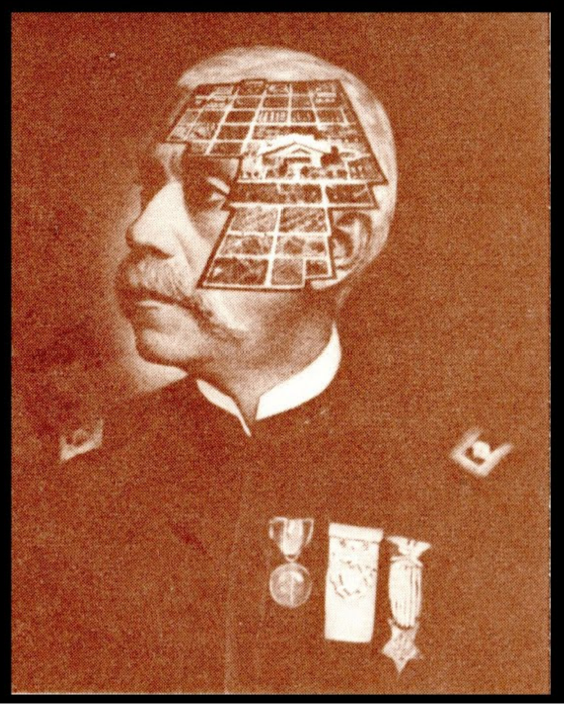
Allensworth, CA, was founded in 1908 to fulfill a vision for Black self-determination. Colonel Allen Allensworth, William Payne, and three partners founded the town to serve as a center for Black innovation and a place of refuge and prosperity for Black families to thrive. The vision was for a multi-industry town, the foundation and future of which was based on developing a ‘Tuskegee of the West”, a school that would “uplift” the community and ensure self-sufficiency and innovation.
While the town was originally successful, it experienced setbacks created predominantly by systemic racism. The Atchison, Topeka, and Santa Fe Railway added a spur line from Allensworth to Alpaugh, purposefully bypassing Allensworth so that white residents in Alpaugh would not have to interact with Allensworth citizens, depriving Allensworth of vital commerce. The town has also experienced a pattern of exclusion from water rights, broken contracts, and water contamination, with arsenic, 1,2,3-trichloropropane, nitrates, and other contaminants found in the water supply. Yet, in 1974, California State Parks purchased 240 acres in Allensworth and operated it as Colonel Allen Allensworth State Historic Park, where it restored and reconstructed primary buildings that made up the historic town.
Since the 1970s, Allensworth has grown into a multiracial, multicultural community today, its population is predominantly Latino/x, with deep roots in farmworker and immigrant histories. Excluded from nearby towns due to housing discrimination and rising costs, many families found refuge in Allensworth’s more affordable, unincorporated setting. After the 1986 Immigration Reform Act, formerly undocumented workers and Bracero families began settling permanently, building lasting community ties. Though seasonal workers still pass through, most residents today are permanent, committed families. While founded as a Black freedom town, Allensworth’s legacy now bridges Black and Brown histories of self-determination and resilience.
Founding & Founders
Excerpt from the Allensworth Community Plan Update:
“In 1908, Colonel Allen Allensworth and Professor William Alexander Payne established the California Colony and Home Promoting Association with their primary offices in Los Angeles. The goals of the association were to purchase land, lay out a town and surrounding farms, and resell the lots to African Americans, who would create a community "favorable to intellectual and industrial liberty". These two men joined forces with John W. Palmer, a miner; Rev. William H. Peck, Minister of the AME Church at 8th and Towne in Los Angeles; and Harry A Mitchell, a real estate agent, to purchase the land for the farming “colony,” a term used for parcels of land for which water rights were secured then sold off in smaller plots as family farms. Yet, their aspirations transcended a typical farming colony, and together, the partners founded the town they named Allensworth to serve as a center for Black innovation and a place of refuge and prosperity for Black families to thrive. The vision was for a multi-industry town, the foundation and future of which was inspired by Booker T. Washington and based on the development of a ‘Tuskegee of the West, “a school that would “uplift” the community and ensure self-sufficiency and innovation.
…
The town’s promotional newsletter, The Sentiment Maker (May 12, 1912), emphasized that this would be a home for veterans of the nation’s four all-black regiments. By 1912, Allensworth's official population of 100, a noted undercount because of a fluctuating population, had two general stores, a post office, many homes, and a newly completed school that served as the center for the town's social and political activities. The 1912-1915 period marked the apex of Allensworth as a “thriving community", according to news sources. Voting registration records of 1915 listed an array of occupations of settlers, including farmers, storekeepers, carpenters, nurses, and more, all suggesting the diversity of the colony's business and industrial output (see B. Gordon Wheeler, Black California: The History of African-Americans in the Golden State, Hippocrene Books, 1992). Wheeler continues, “Allensworth's grain warehouses, cattle pens, and storage bins served the needs of the local farmers and the railroad. Business enterprises developed by the colonists included the large poultry farms of Oscar Overr, a ten-room, seventy-five cents per night hotel run by John Morris that also served as a restaurant, a large general store owned by the Hindsman family, a cement manufacturing enterprise, plaster and carpentry shops and sugar beet agriculture. All this industry was geared to prove to the white man beyond a shadow of a doubt that the black man was capable of self-respect and self-control. Politically, Allensworth became a member of the county school district, the regional library system, and a voting precinct, electing Oscar Overr as the first African American justice of the peace in post-Mexican California” (p.178).”

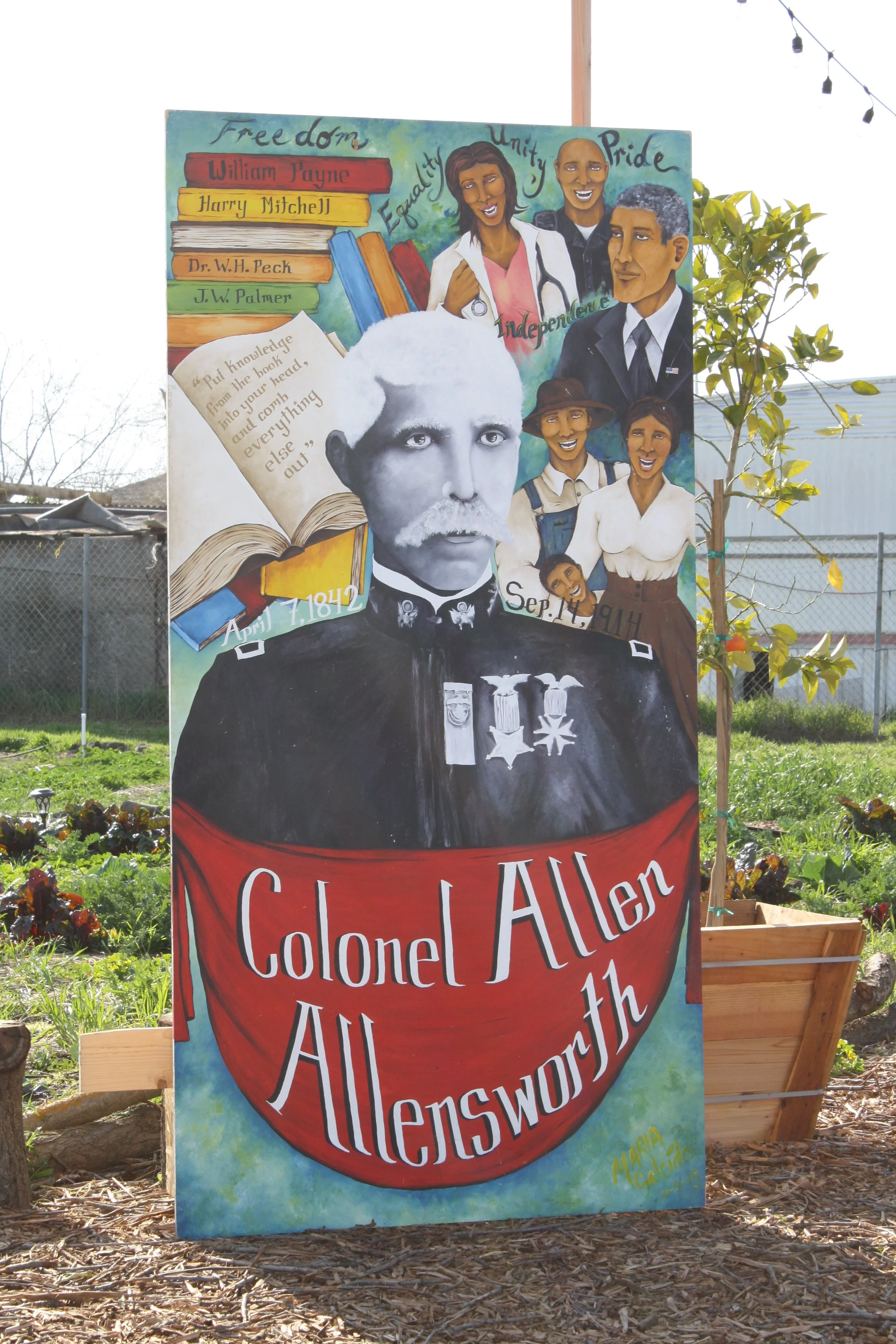
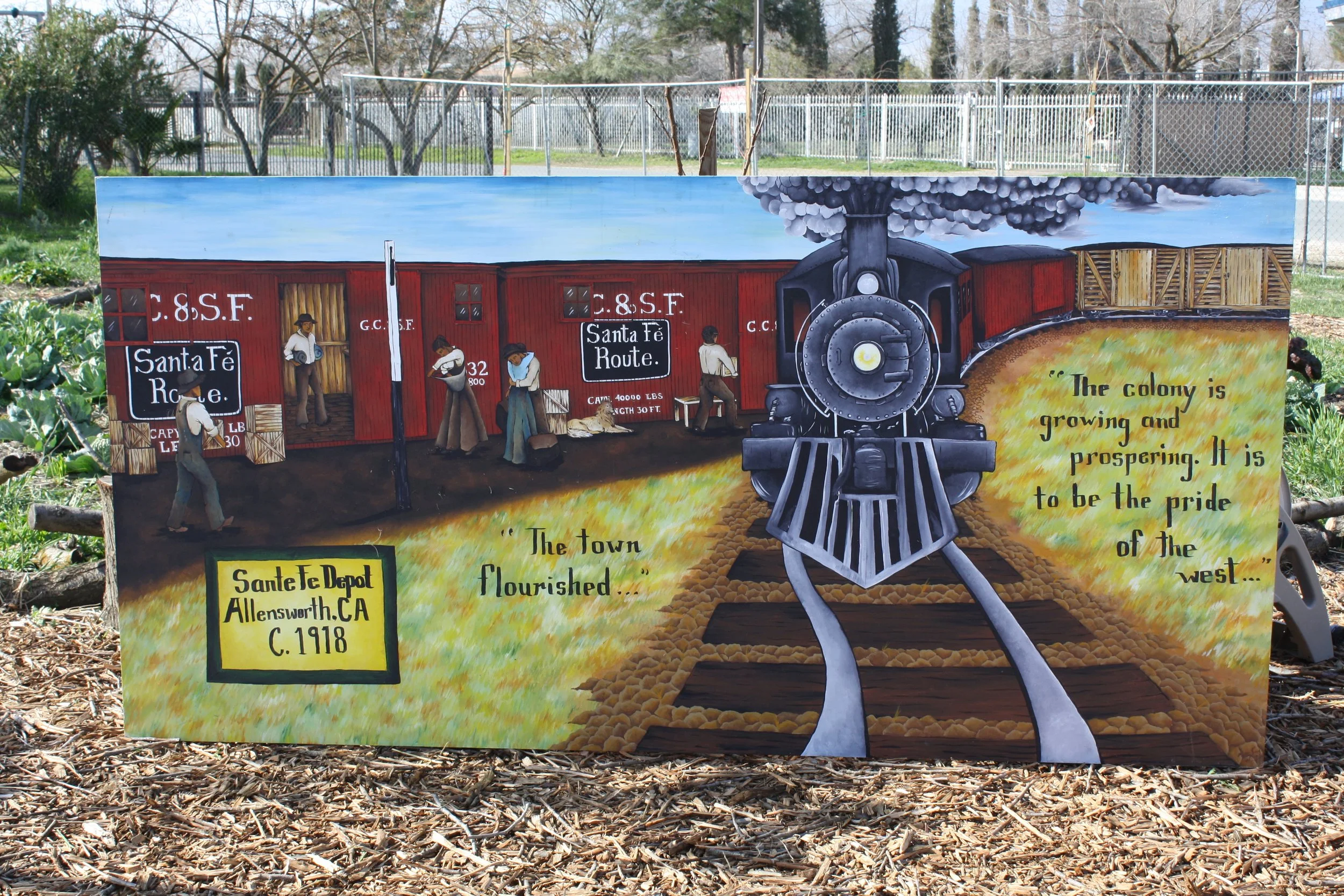
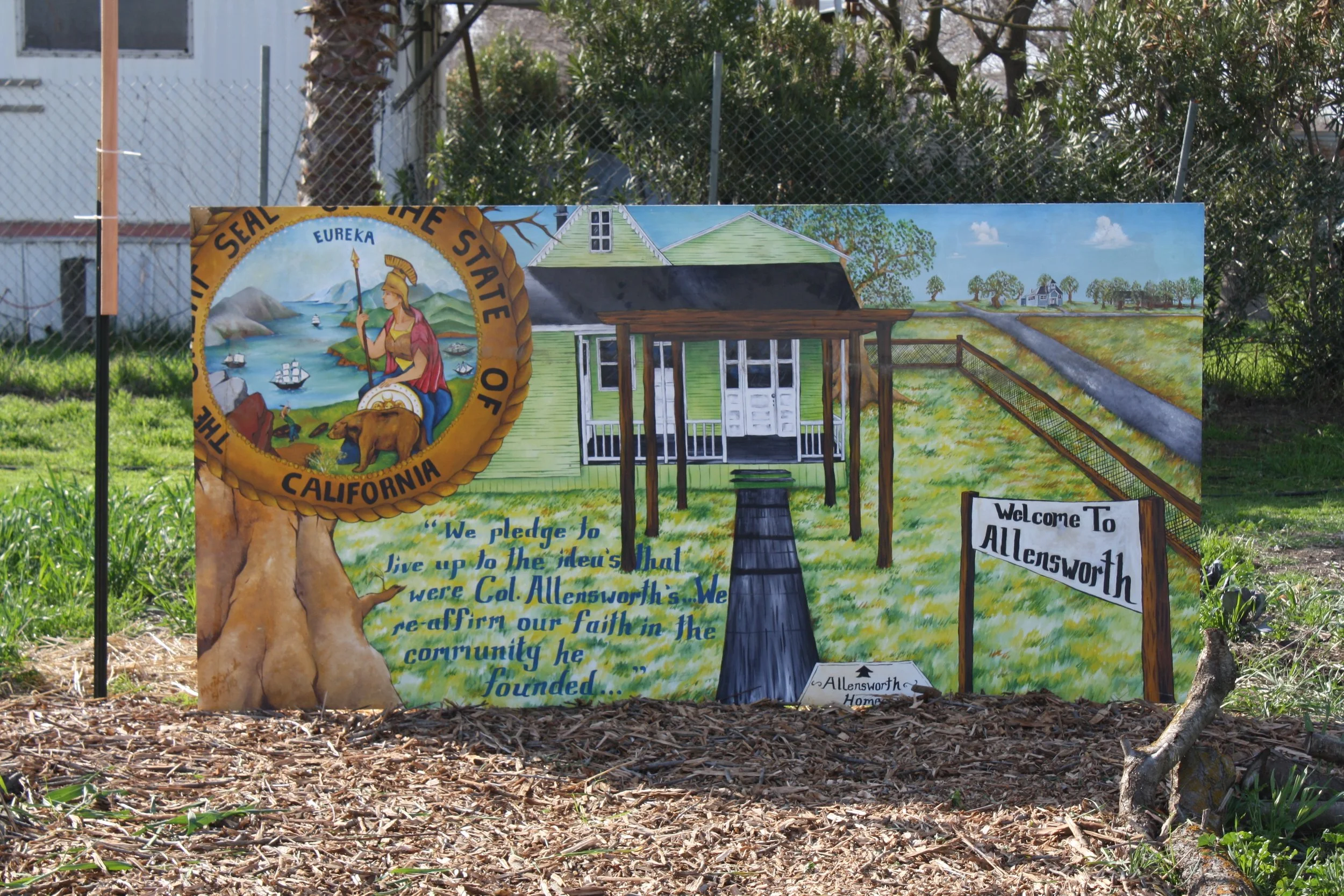
Learn More

“ I think that when you see something that needs to be done, let’s not wait, let's do what needs to be done.”
-Nettie Morrison

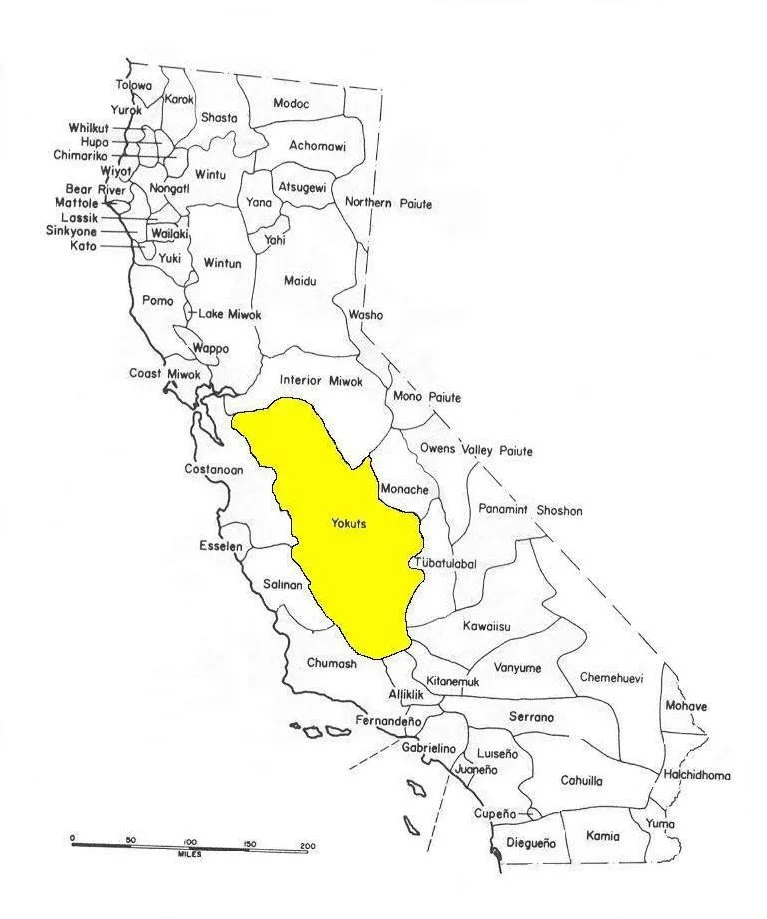
Allensworth sits on the unceded ancestral lands of the Yokuts, whose creation stories and lifeways are deeply tied to the lake. The area lies within the traditional territory of the Wowol, a Yokuts tribe, whose village of Chawlowin once moved with the lake’s shifting shoreline. During violent colonial campaigns in the 19th century, many Wowol people were forced north to Santa Rosa Rancheria, where the Tachi Yokuts Tribe remains today. Allensworth rests just southeast of Tulare Lake’s southern wetlands, Ton Tachi, on land that still holds the memory and meaning of its first stewards.
Indigenous History
Contemporary Struggles
Building the Town:
By 1912, Allensworth had a school, stores, a library, farms, and civic institutions. It became a hub for Black veterans, business owners, farmers, and educators. The community elected the state’s first Black justice of the peace and planned a vocational institute modeled on Tuskegee University.
Social clubs, glee choirs, and reading rooms brought a strong sense of community pride. Despite limited resources, Allensworth became a symbol of Black self-determination.
Setbacks:
Challenges mounted quickly
Artesian wells diminished and promised water contracts were not honored.
The Santa Fe Railroad rerouted traffic, cutting off commerce.
Racist employment policies limited local opportunity.
A bill to fund the Tuskegee-style school failed.
1914, Colonel Allensworth died in a tragic accident.
By the 1920s, many leaders had left, and the town slowly declined
Renewal:
In the 1960s, only 34 families remained. But thanks to Ed Pope and community advocates, Allensworth was designated California’s first state park honoring Black history in 1976. Though underfunded for decades, the town’s legacy endured. In 2022, $40 million in state funds were committed to park improvements, regenerative farming, and a new Community Resiliency Center, led by local residents.



Timeline of the Organization
-
Established as a 501(c)(3) nonprofit to support the mission of the Colonel Allensworth State Historic Park.
Early efforts focused on park interpretation, community engagement, and historic preservation.
Organized annual events celebrating Allensworth’s legacy and educating new generations.
-
FOA members, including Nettie Morrison and Ed Pope, mobilize against harmful development projects.
In 1990, FOA helps lead the successful opposition to a proposed turkey ranch within town boundaries.
-
Local leaders serve on the ACSD board to address vital services such as water, roads, and street lighting.
ACSD becomes a crucial point of democratic governance for Allensworth, enabling residents to shape their future.
-
FOA and community leaders including Nettie Morrison successfully protest proposed mega-dairies near town.
This leads to the 2017 passage of a 2.5-mile dairy-free buffer zone around the State Historic Park.
-
APA begins as a community-driven organization focused on land use, sustainability, and food justice.
Builds coalitions with environmental justice and agricultural equity advocates.
-
APA supports local education programs, partners with visiting researchers and educators, and builds leadership capacity within youth and families.
Begins plans for a regenerative farm and community resiliency center.
-
The California Black Legislative Caucus secures $40 million for the Allensworth community.
$28 million directed to California State Parks for the new Visitor Center.
$12 million awarded to APA for development of a Regenerative Farm Enterprise and Community Resiliency Center.
APA becomes a formal partner in shaping Allensworth’s next chapter.