
Cooperative Development

A cooperative (or “Co-op”) is a business owned and governed by the people who use its products or services. While co-ops serve a wide range of purposes, they share a common goal: meeting members’ needs and evolving as those needs change. At their core, cooperatives are built on principles of self-reliance and mutual support.
The cooperative model emerged during the Industrial Revolution as a way to empower people with limited economic influence. By pooling resources and working collaboratively, workers, consumers, farmers, artisans, and others have been able to achieve more together than they could on their own.
Co-ops are a form of mutual benefit relationships since before Capitalism. When individuals come together to use one solution to solve different problems on agreed-upon terms, that is cooperation or co-op. Co-ops exist in most countries and are adapted to local contexts. Co-op are formal organizations and enterprises that serve their membership. Members can be individuals or organizations that receive a benefit for participation. Unique characteristics of co-ops are the democratic decision-making process, where each member receives one vote. Another distinction is the distribution of resources to all members.

How do Cooperatives compare to traditional businesses?
Components of Cooperative
The 7 Principals established by the International Co-op Alliance:
Voluntary and Open Membership
Democratic Member Control
Members’ Economic Participation
Autonomy and Independence
Education, Training, and Information
Cooperation Among Cooperatives
Concern for Community
External Co-op Learning Resources:
Co-ops in Allensworth
Allensworth, like many rural communities, faces limited access to markets and essential services. Cooperatives part of the solidarity economy offer a shared solution, using mutual aid to expand access to resources, services, and economic opportunity.
In response to urgent community needs, Allensworth is developing childcare and small farmer cooperatives. Reliable childcare supports families while at the same time, the farmers cooperative provides beginning farmers especially women and people of color with shared access to land, tools, and markets.
Together, these cooperatives are building a more equitable and resilient community, strengthening food security, supporting families, and creating shared economic and social value.
What Has Been Proposed
Small Farmer Co-op
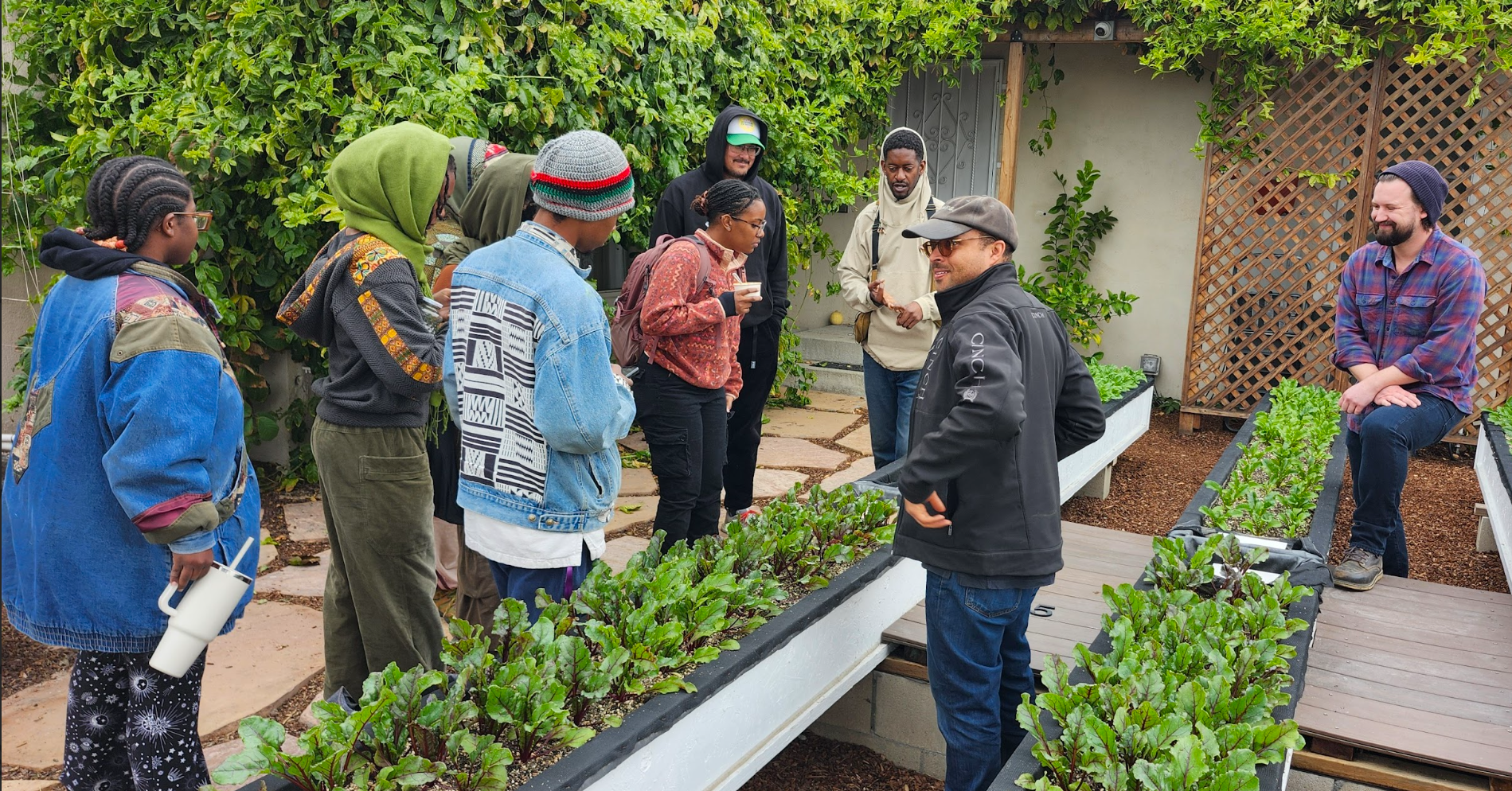
Access to farmland has long been a major barrier, particularly for women, Black people, and other communities historically excluded from ownership, who have also been denied the services needed to enter and succeed in agriculture. The Allensworth Farming Enterprise addresses these inequities by operating as a community-driven small-farmers service cooperative within a community land trust (CLT), where land is held collectively by the APA and leased to farmers for cultivation. Paired with our flagship training program, the Enterprise ensures that graduates gain access to land while benefiting from shared resources, cooperative governance, and targeted education. This integrated model expands access to both land and essential services, empowering beginning farmers, fostering equitable food systems, and building a resilient, locally rooted agricultural community.
Childcare Co-op
Allensworth residents face a critical shortage of childcare services, leaving many low-income families struggling to find care that is affordable, accessible, and compatible with their work schedules. As a result, childcare responsibilities often fall on mothers and young women, limiting their ability to pursue employment, education, and other opportunities. In response to these challenges, the proposed childcare learning center aims to provide a safe, nurturing, and enriching environment for children while offering families reliable, high-quality care that supports their economic stability and well-being. Building on this need, the center is designed not only as a service provider but as a community-rooted solution.
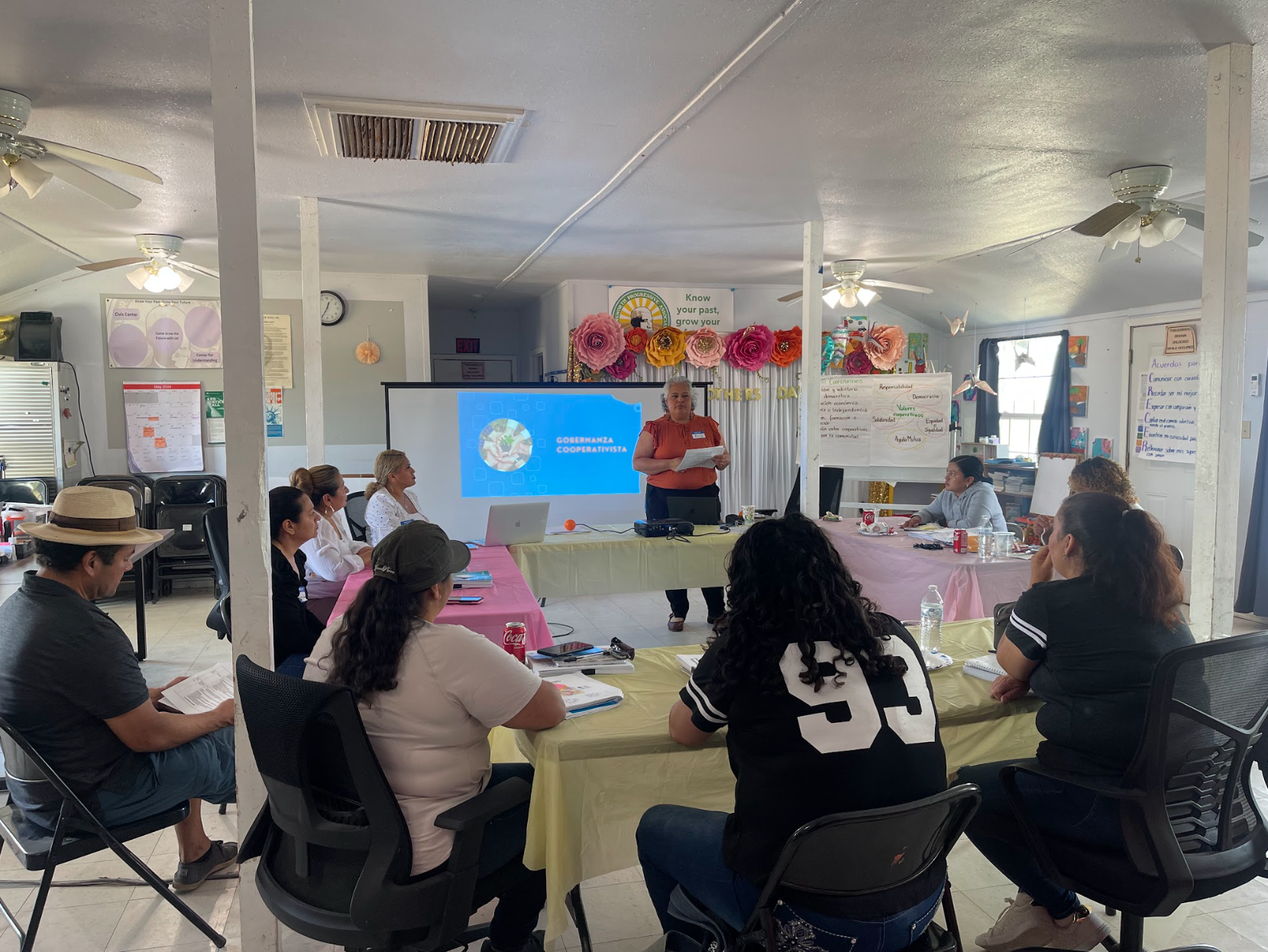
Rooted in the historic Black community of Allensworth and serving nearby farmworker towns such as Alpaugh and Earlimart, the center is envisioned as a vital resource for underserved families. Its model combines California state subsidies with federal funding to support long-term sustainability while delivering culturally responsive early childhood education. In collaboration with Tulare County education partners, the initiative will implement a diversified funding strategy. The APA also partnered with the cooperative education and entrepreneur development nonprofit PROSPERA to provide both in-person and virtual training, delivering over twenty hours of cooperative education to twelve families; as a result, four families committed to forming a childcare cooperative that will primarily serve Allensworth by providing a safe, enriching environment for children and youth.
Point of Contact

If you are interested in participating in the current co-op initiatives please contact Jose Armando Mungia