Water Sovereignty
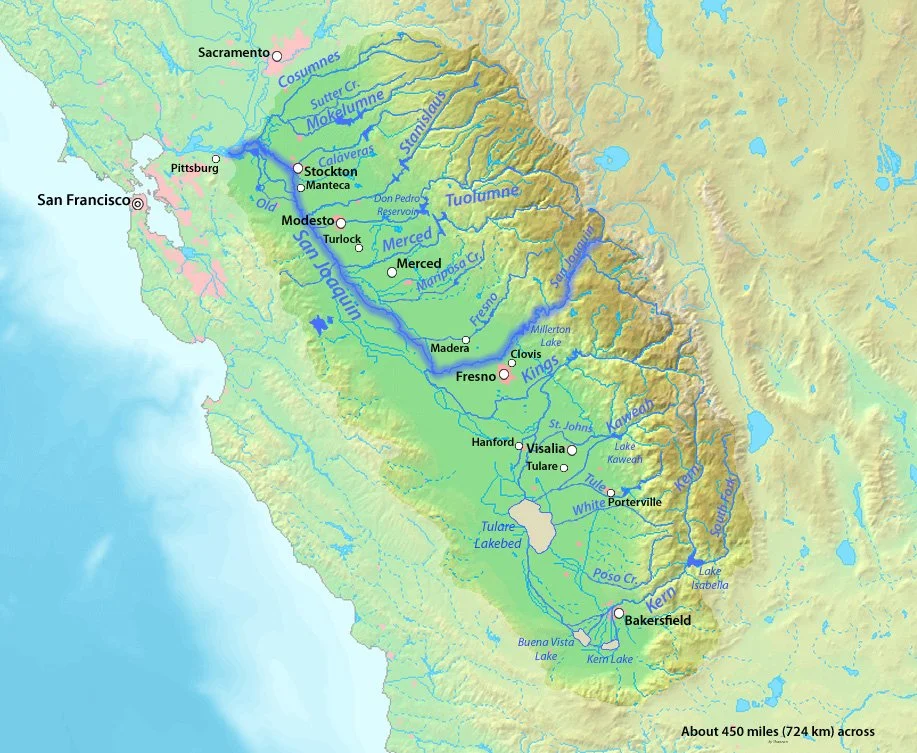
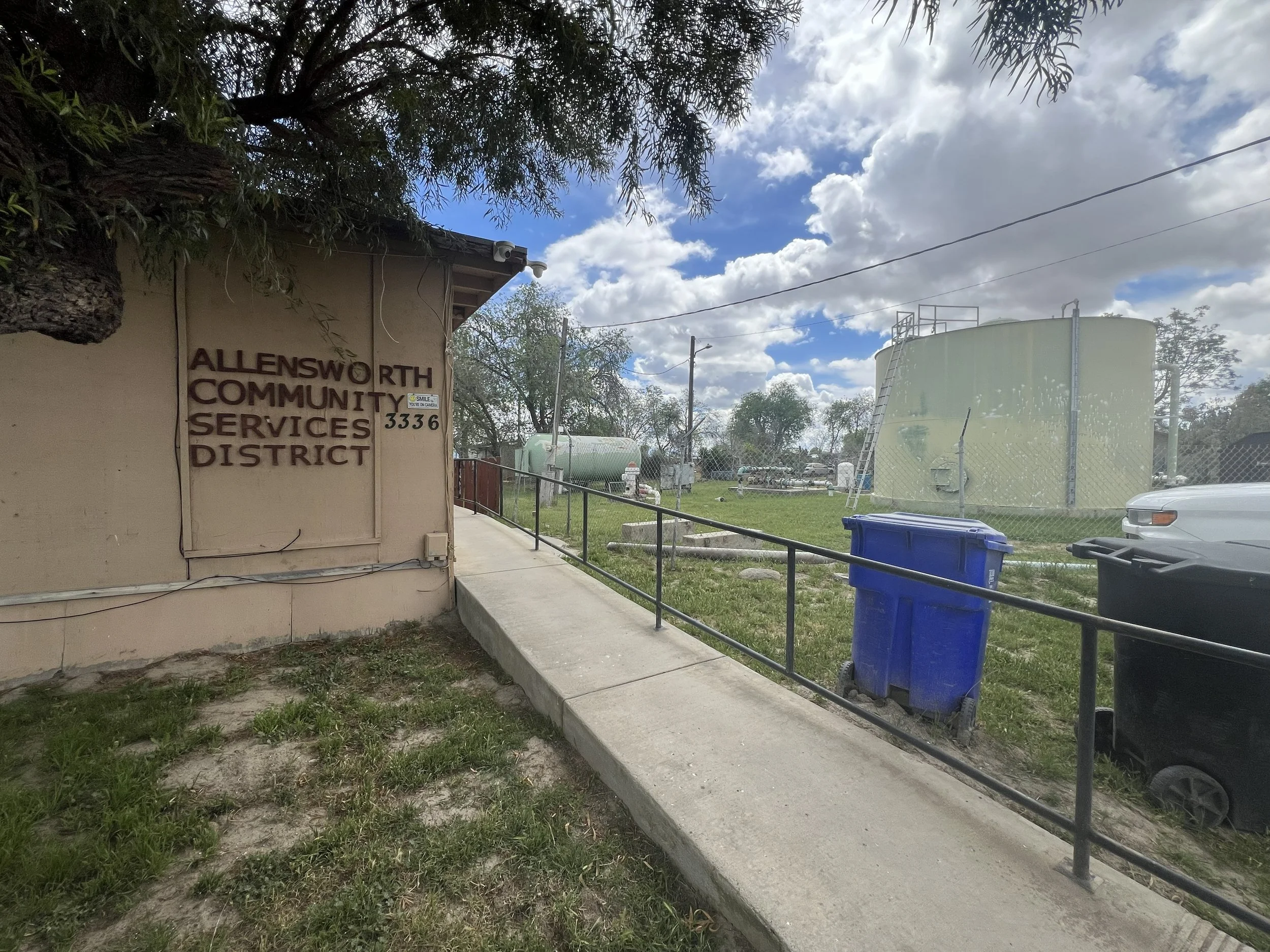
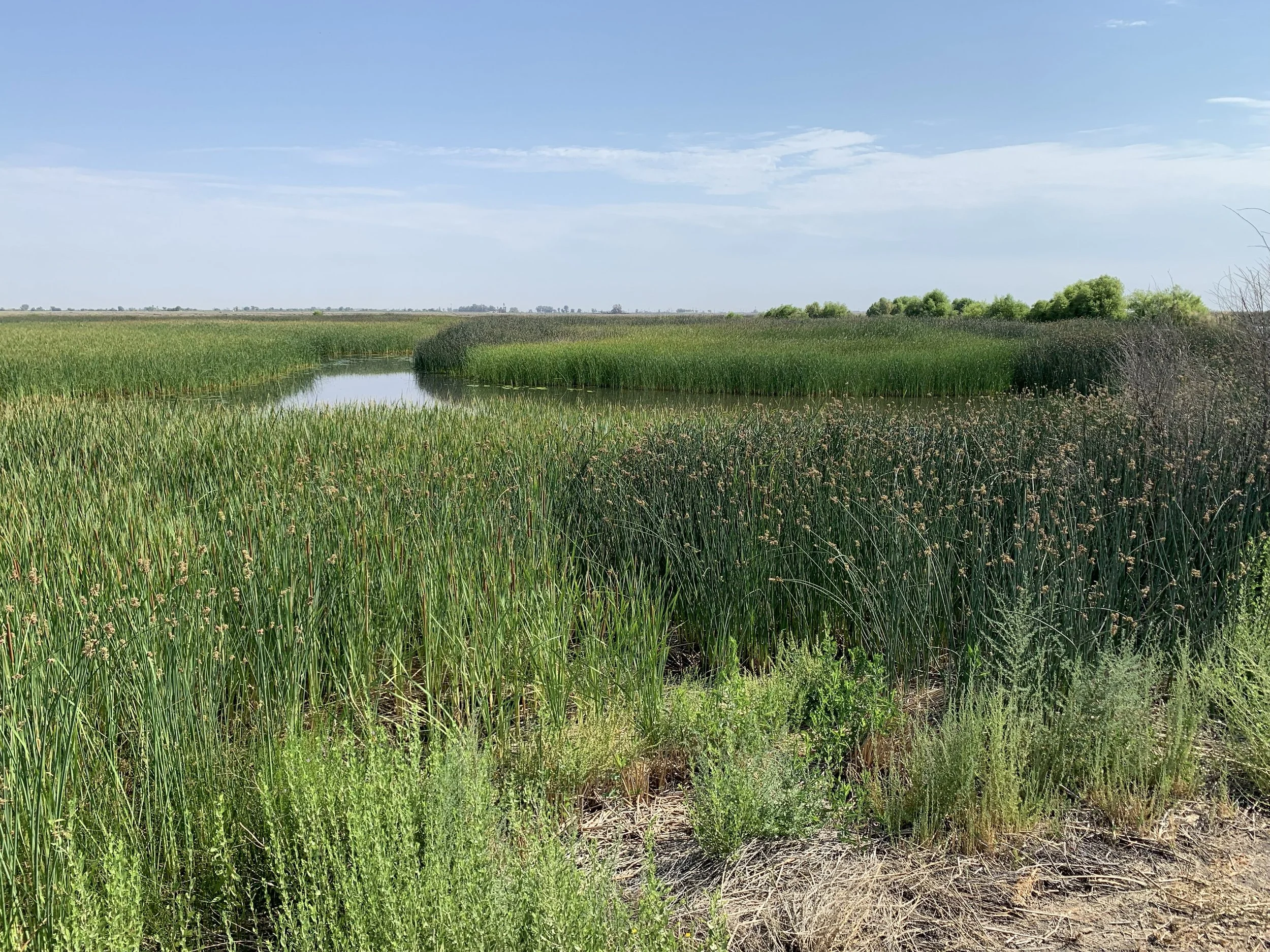
Allensworth is located on the southeast shoreline of Pa’ashi, mostly known as Tulare Lake, in southern Tulare County, in the southern half of California’s great Central Valley. Up into the late 1800s Tulare Lake was the largest freshwater lake west of the Mississippi River, before its rivers were captured and diverted and the lake was starved and drained for the establishment of agriculture.
Though California is often touted as one of the “bread baskets” of the world, the way in which that abundance is grown comes at a terrible cost for our rural communities, the air we breath, our lands, and our water.
During state designated drought years, community and domestic wells cannot compete with thirstier and deeper industrial ag wells. In 2014, at the tail end of a brutal 7 year drought where over 3,000 Central Valley wells went dry, the Sustainable Groundwater Management Act (SGMA) was passed to begin regulating groundwater extraction for the first time in the state’s history. While water supply issues are ongoing, we also contend with water quality issues. For communities whose wells continue to produce, our groundwater is often contaminated due to ongoing industrial polluting combined with decreased dilution from increased water extraction.
Our rural communities are home to the people who sow, grow, harvest, and process our food. They create the incredible wealth that only a handful of people enjoy, yet are left to pay for the environmental costs with their health and well-being and are left to bare the economic burden of water supply and remediation infrastructure and their operations and maintenance.
California needs equitable water management, care, and allocation.
We need water sovereignty.

What is Water Sovereignty?
From the Prism Sustainability Directory:
Water sovereignty, at its core, signifies the inherent right of a community, nation, or people to self-determination over their water resources. This means having the authority to manage, protect, and utilize water within their territory according to their own cultural values, ecological needs, and economic priorities. It’s about recognizing that water is not merely a commodity, but a fundamental element of life, deeply intertwined with identity, health, and prosperity.
Understanding water sovereignty starts with acknowledging the historical and social contexts that have shaped current water management practices. Often, these practices have been imposed by external forces, neglecting the traditional knowledge and rights of local communities. Water sovereignty seeks to rectify these imbalances by empowering communities to reclaim control over their water destinies.
Key Aspects
RIGHT TO DECIDE
Communities have the right to determine how water is allocated, used, and protected within their territory
CULTURAL SIGNIFICANCE
Recognizing the cultural and spiritual importance of water for many communities is vital, and integrating these values into water management.
ECOLOGICAL INTEGRITY
Ensuring that water management practices are sustainable and protect the health of aquatic ecosystems.
ECONOMIC BENEFITS
Communities should benefit economically from the sustainable use of their water resources.

Currently:
Free bottled water distribution at the Community Center
Bottled water delivery from the Office of Emergency Services during emergencies
Second community well and expanded water storage
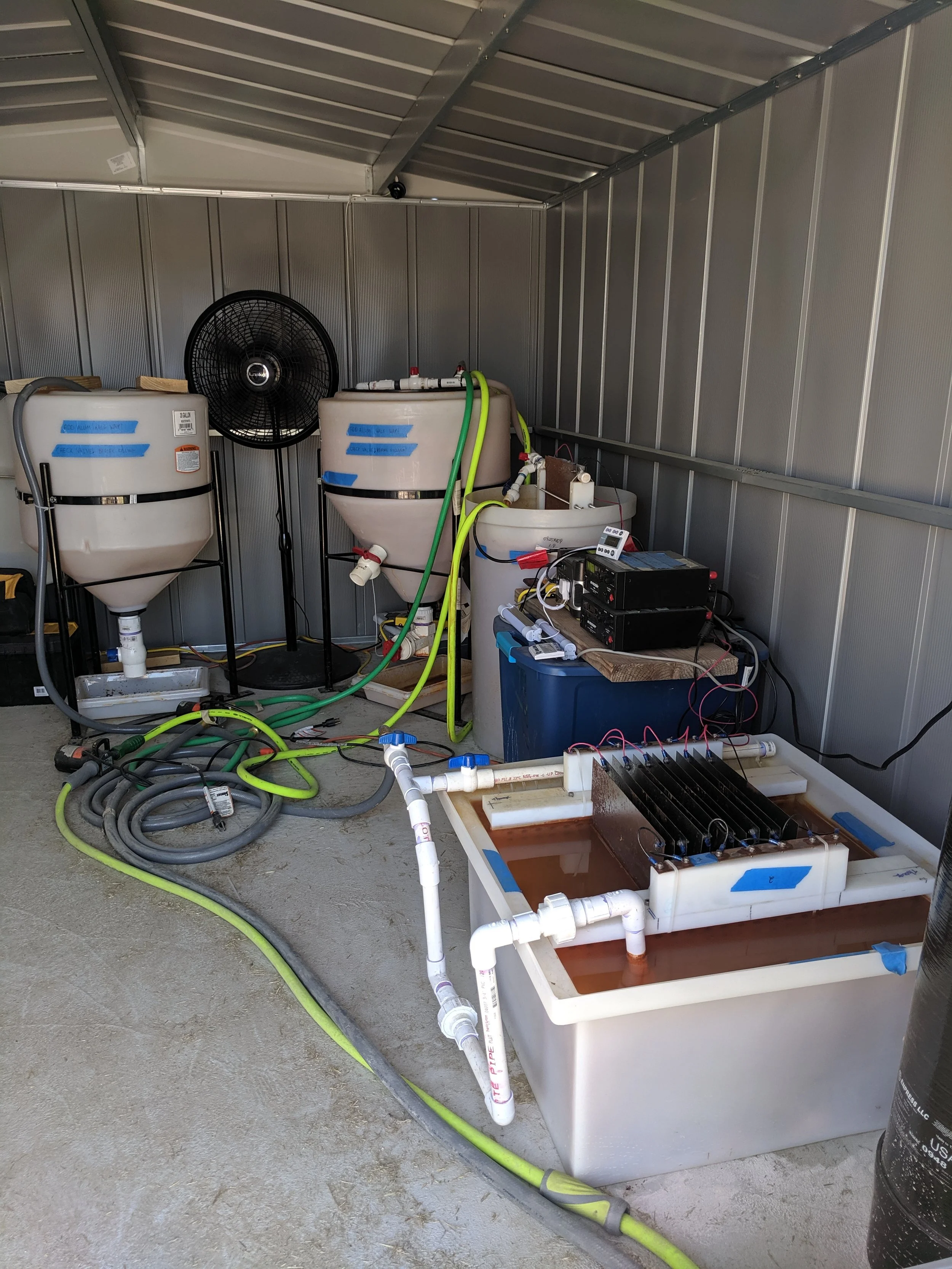
Arsenic-remediation pilot with UC Berkeley Gadgil Lab
Water Sovereignty in Allensworth
Works in progress:
Community Water Kiosks
Water conveyance from the White River
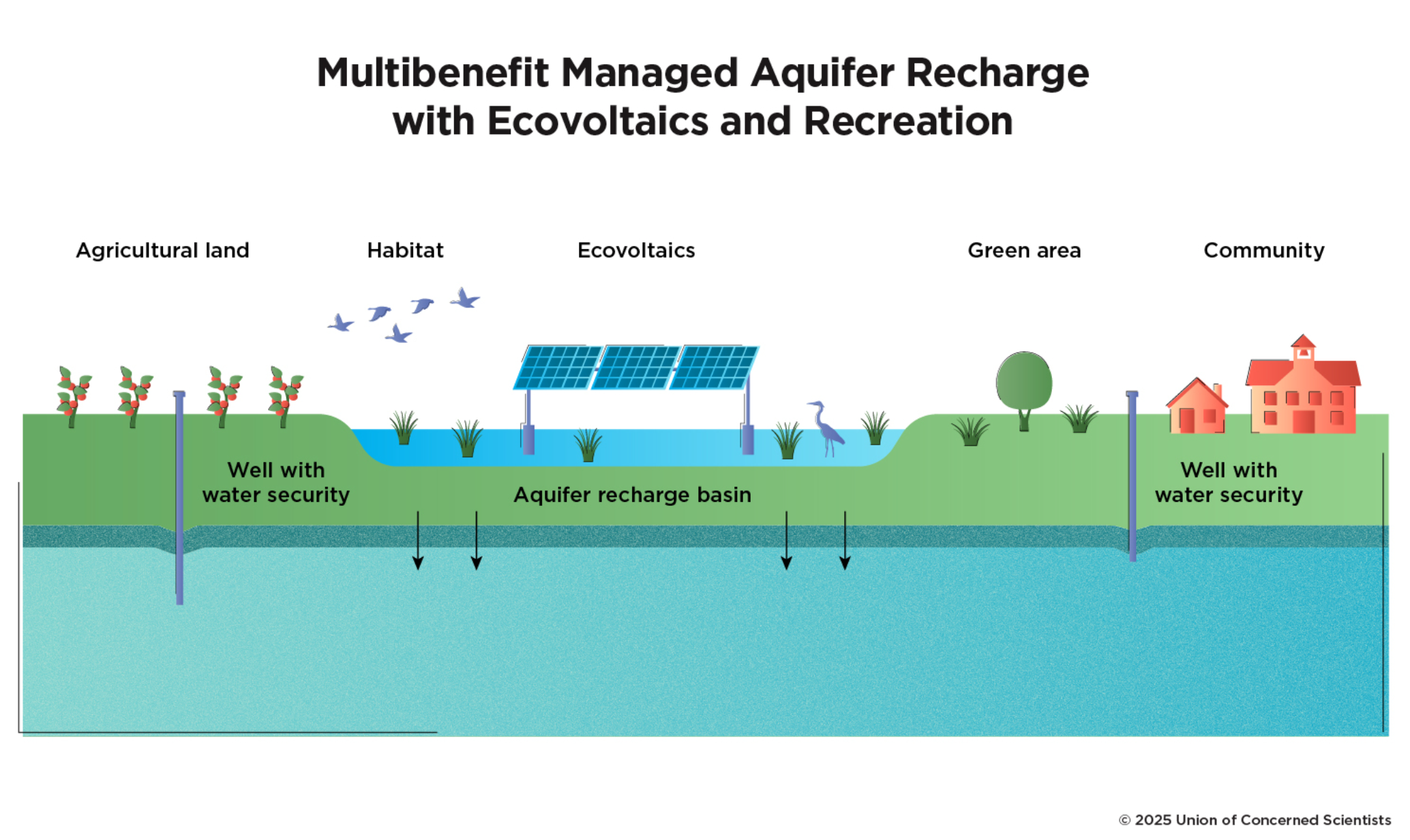
Wetlands treatment, water storage, and recycling
Implement regenerative farming practices that build healthy water-retaining soils
Serve as a model for rural resilience and water sovereignty statewide
Read more in the Allensworth Community Plan!