
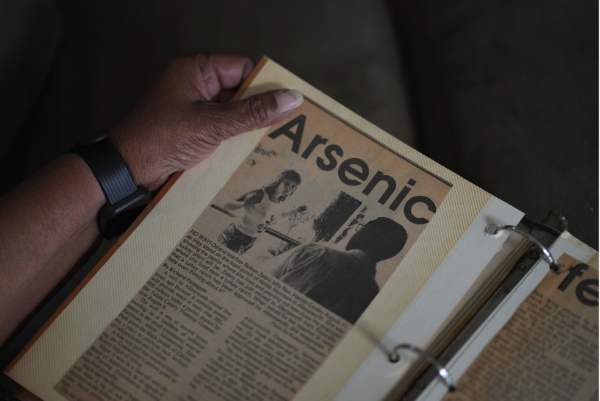
Arsenic Remediation
Air Cathode Assisted Iron Electrocoagulation (ACAIE)
Technology

Since 2018, the Allensworth Progressive Association (APA) has partnered with:
UC Berkeley: Gadgil Lab for Energy & Water Research, School of Public Health
Allensworth Community Services District (ACSD)
Self-Help Enterprises (SHE)
Together, this collaborative project is advancing innovative arsenic remediation technology for rural communities affected by contaminated drinking water.
Developed by UC Berkeley’s Gadgil Lab, the Air Cathode Assisted Iron Electrocoagulation (ACAIE) technology offers a low-cost, high-efficiency method of removing arsenic from drinking water bringing it below 2 parts per billion (ppb). It’s designed to be affordable, locally manageable, and scalable for small communities.
About the Technology
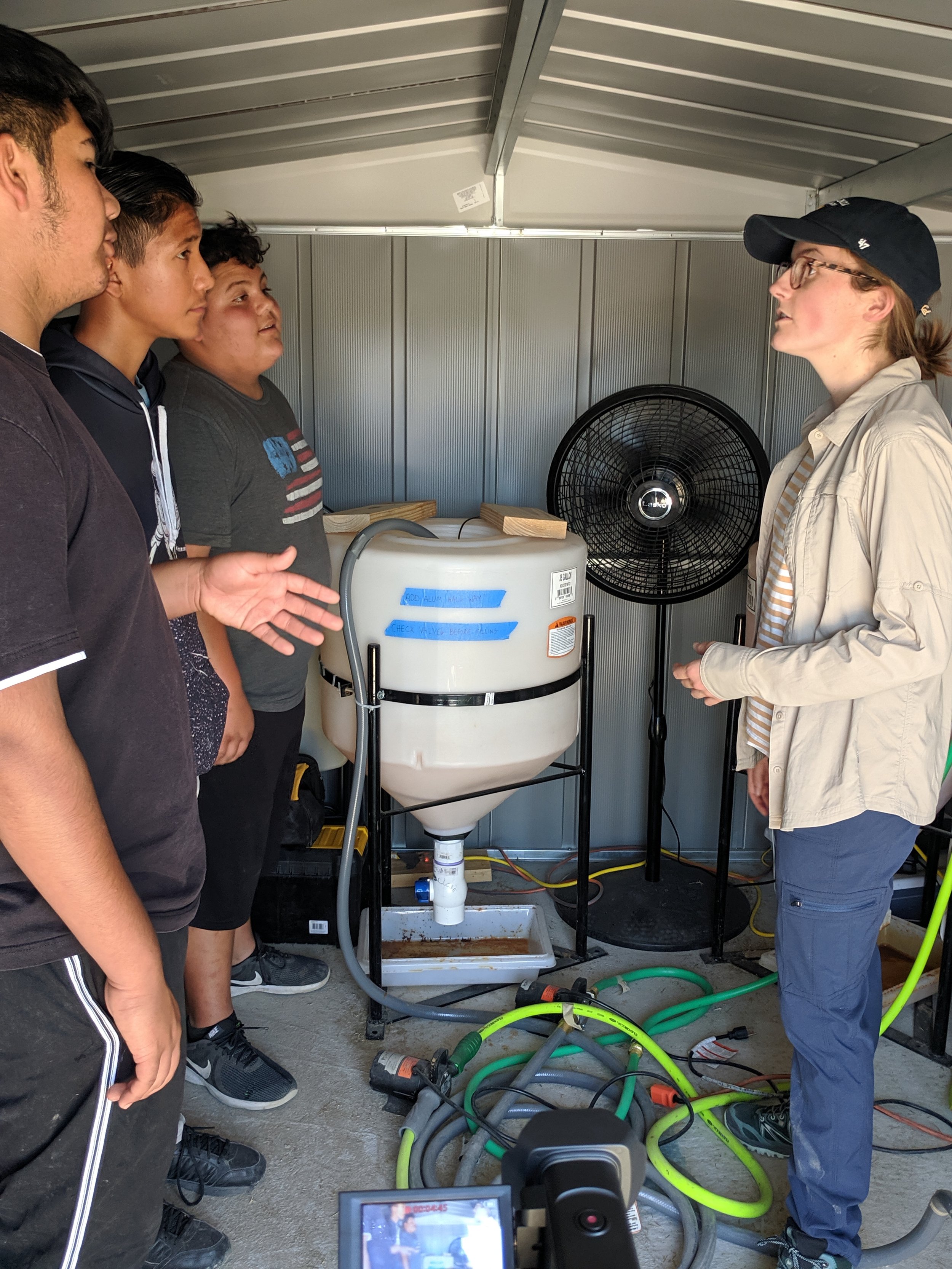
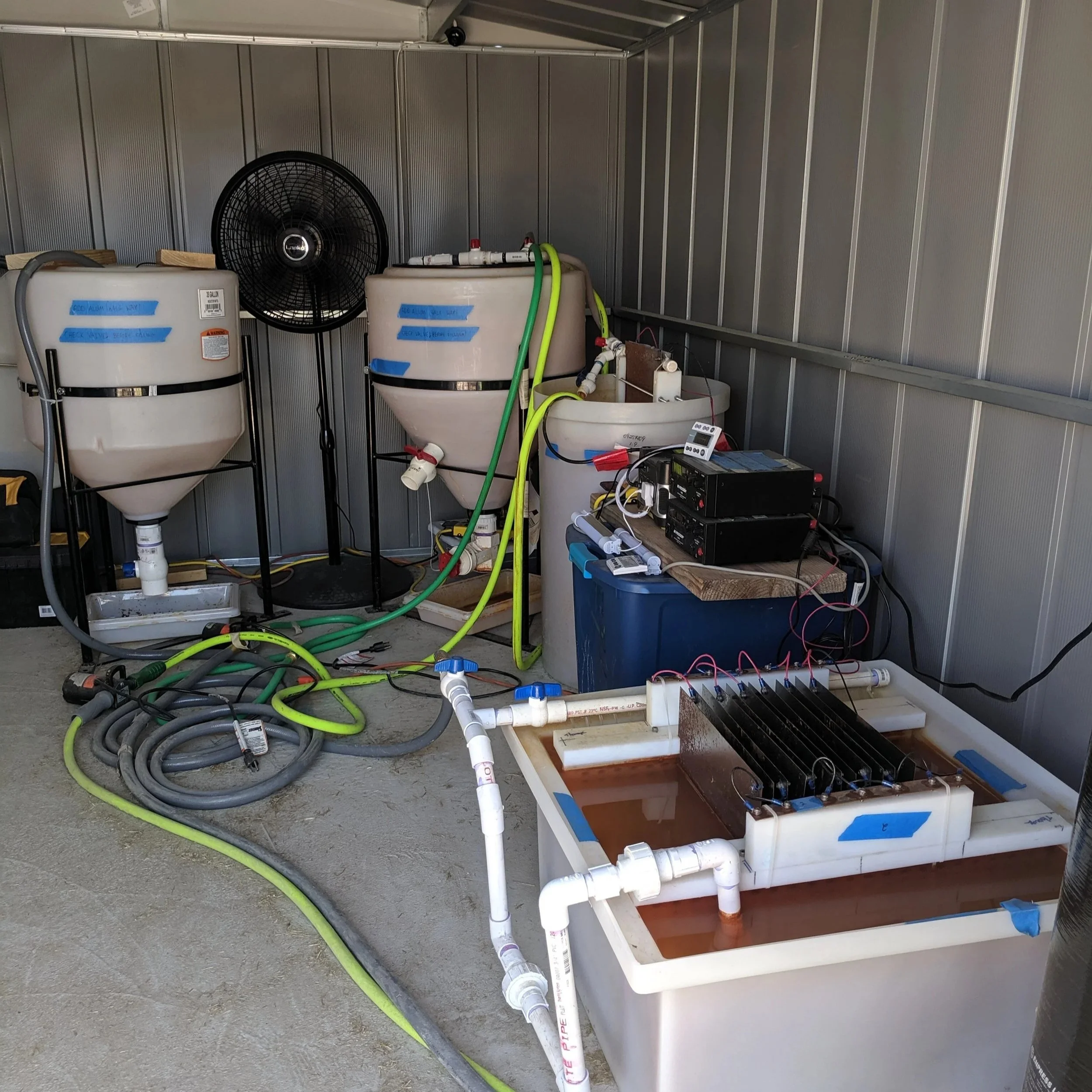
The Air Cathode Assisted Iron Electrocoagulation (ACAIE) process uses electricity to dissolve an iron electrode in water, forming a type of rust. This rust binds with arsenic particles, allowing for effective removal.
Why it’s different:
Rust is created on-site using electricity, no need for external chemical supply chains
Enhanced performance compared to traditional chemical treatments
Proven successful in previous field deployments in India
600 liters/hour flow rate capacity
Minimal waste
Why Allensworth?
Allensworth has been a long-standing partner in ACAIE technology development:
2018–2023: Participated in field trials of the first ACAIE iteration
2019: Hosted a STEM-based learning program on ACAIE and water quality for local students
2022: Site of a field study on arsenic remediation methods
2023: Informed a UC Berkeley study, Community Perceptions of Arsenic-Contaminated Drinking Water and Preferences for Risk Communication in California’s San Joaquin Valley (Gadgil & Tseng)
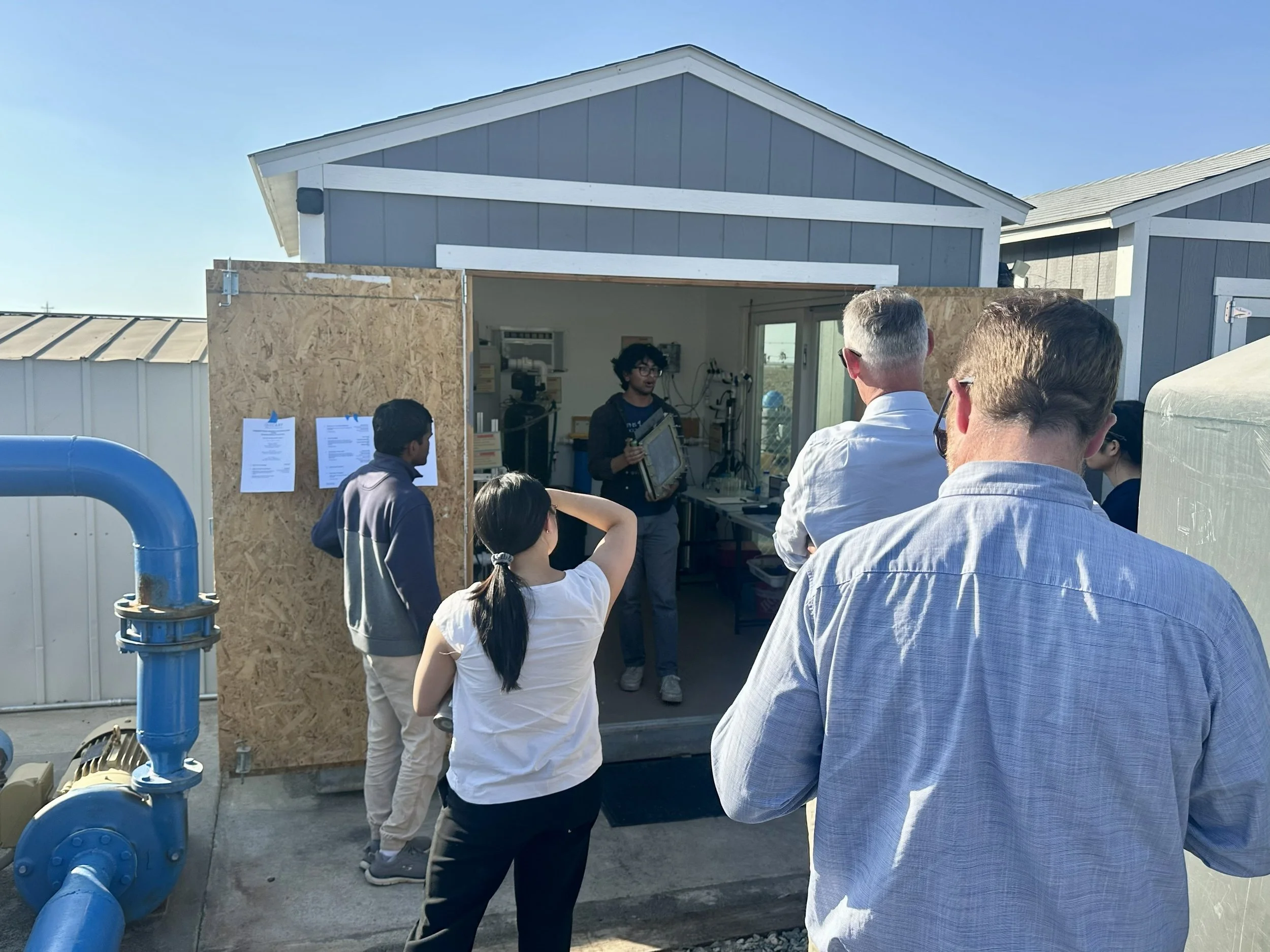
2025: Allensworth served as a pilot site, this time for a more advanced and field-ready version of the ACAIE system
Next Steps
ACAIE Community Water Kiosks
This project will operationalize that technology in three consumer-facing “kiosks” connected to small treatment sheds that will yield arsenic-free water. This project also includes a robust community outreach and education program with a K-12 STEM curriculum to leverage the potential of young people as advocates and water safety “ambassadors” or promotoras in their communities.
The primary goals of this project are:
offering residents the option of virtually arsenic free drinking water
increasing residents’ understanding of water safety so that they can make informed, science-based choices for family members
decreasing the downstream environmental and economic impacts of reliance on purchased bottled water
Arsenic Remediation IP Commercialization Plan
APA and Gadgil Lab are collaborating to develop a Commercialization Plan for the Arsenic Remediation IP that was spearheaded here in Allensworth. The project requires that APA incur patent fees, along with fees associated with APA/Gadgil Lab’s preference for Exclusive licensing.


Community Outreach & Engagement
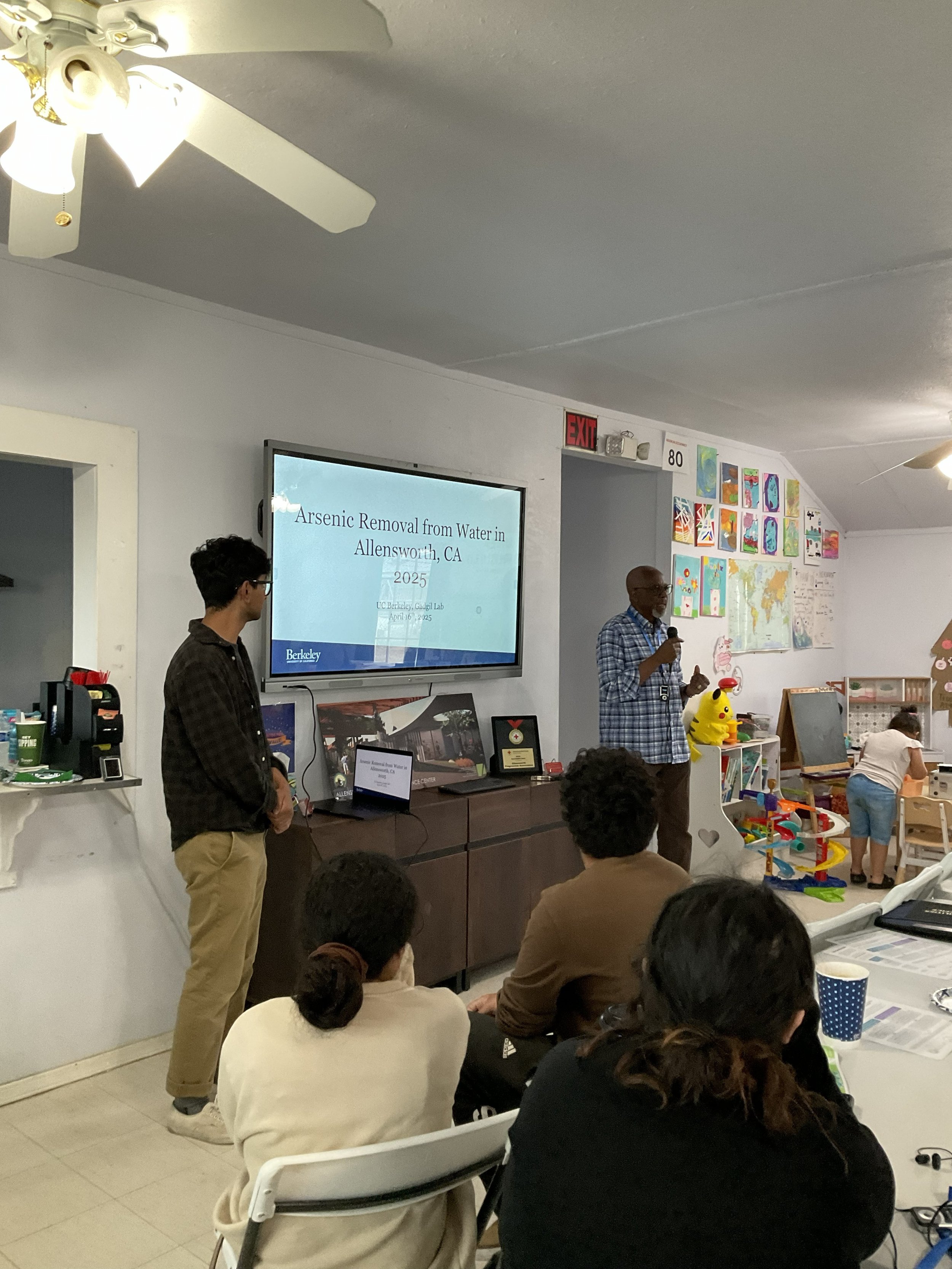
Led by UC Berkeley and APA staff the ACAIE project includes a robust community outreach and engagement strategy spanning 7 years:
Outreach & Education campaign on arsenic risk and safe water access
Messaging Strategy helping residents understand differences between kiosk water and ACSD-compliant tap water
Ongoing STEM programming for local students (PBL Summer Program)
Water from the kiosk will be tested monthly by a trusted third-party lab, at an average cost of $350/month, ensuring compliance and quality. All installation work will follow regulatory guidelines and include local labor for shed construction, electrical, and site prep.
Learn More
UC Berkeley
Los Angeles Times