
Energy Sovereignty

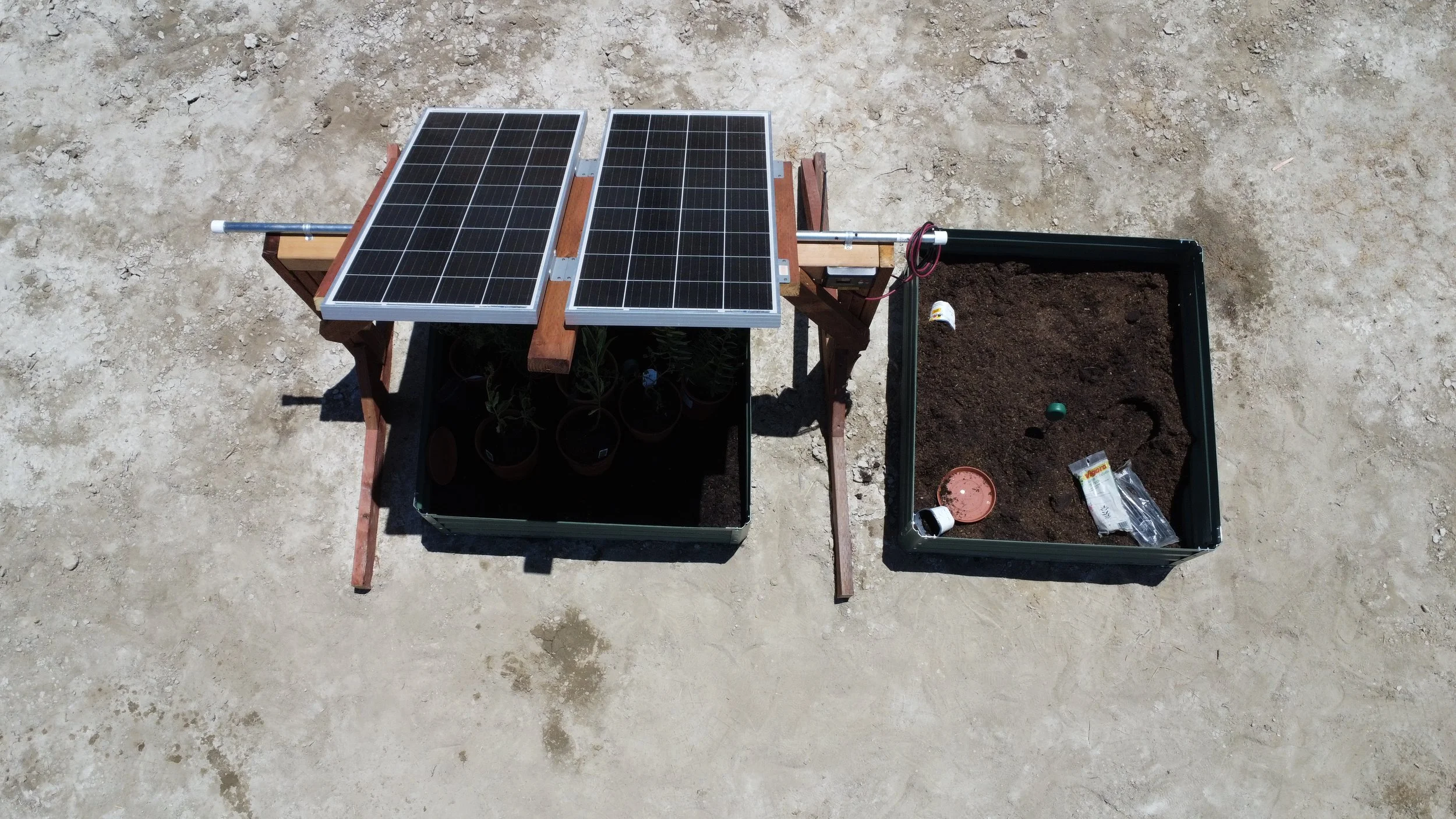
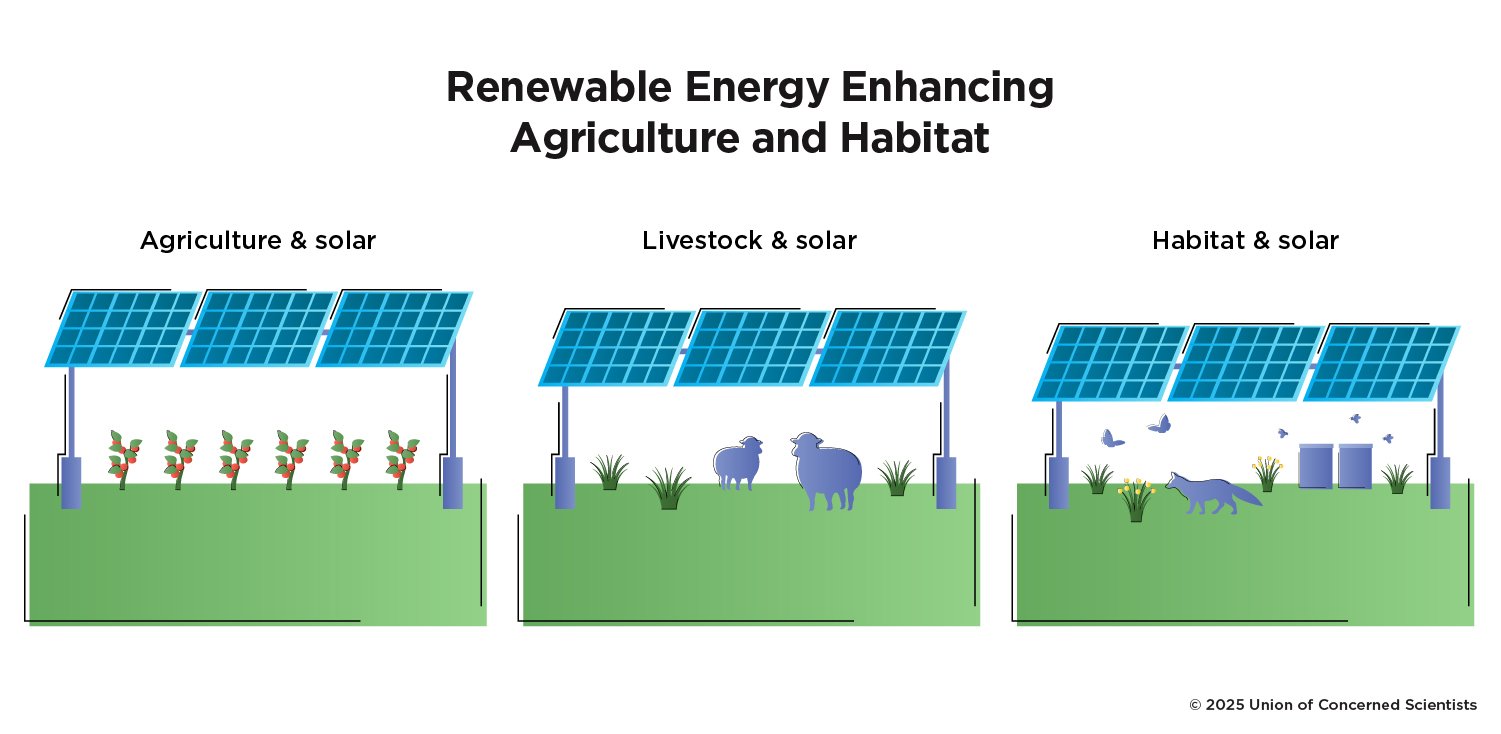
When we talk about energy sovereignty, we often imagine communities generating their own power through microgrids. But a common challenge arises: Where do we place these energy systems without sacrificing farmland or natural ecosystems? That tension creates a real conflict between energy needs and agricultural needs. Agrivoltaics offers a solution. Instead of choosing between solar power and farming, agrivoltaics allows both to thrive on the same land. It represents a new model of coexistence that supports local energy independence while also sustaining agricultural productivity.
Agrivoltaics
It is a dual-use land strategy that integrates photovoltaic solar infrastructure with active agricultural production, improving soil health, water efficiency, and farm viability while generating renewable energy. In Allensworth, AgPV offers a community-owned approach to addressing rising energy costs, climate stress, and long-term resilience.
Community Needs Today
Allensworth has long faced an unreliable energy supply. During periods of high electricity demand, the community is often among the first to experience power outages, placing residents, especially seniors at risk during extreme heat events.

These outages create cascading challenges:
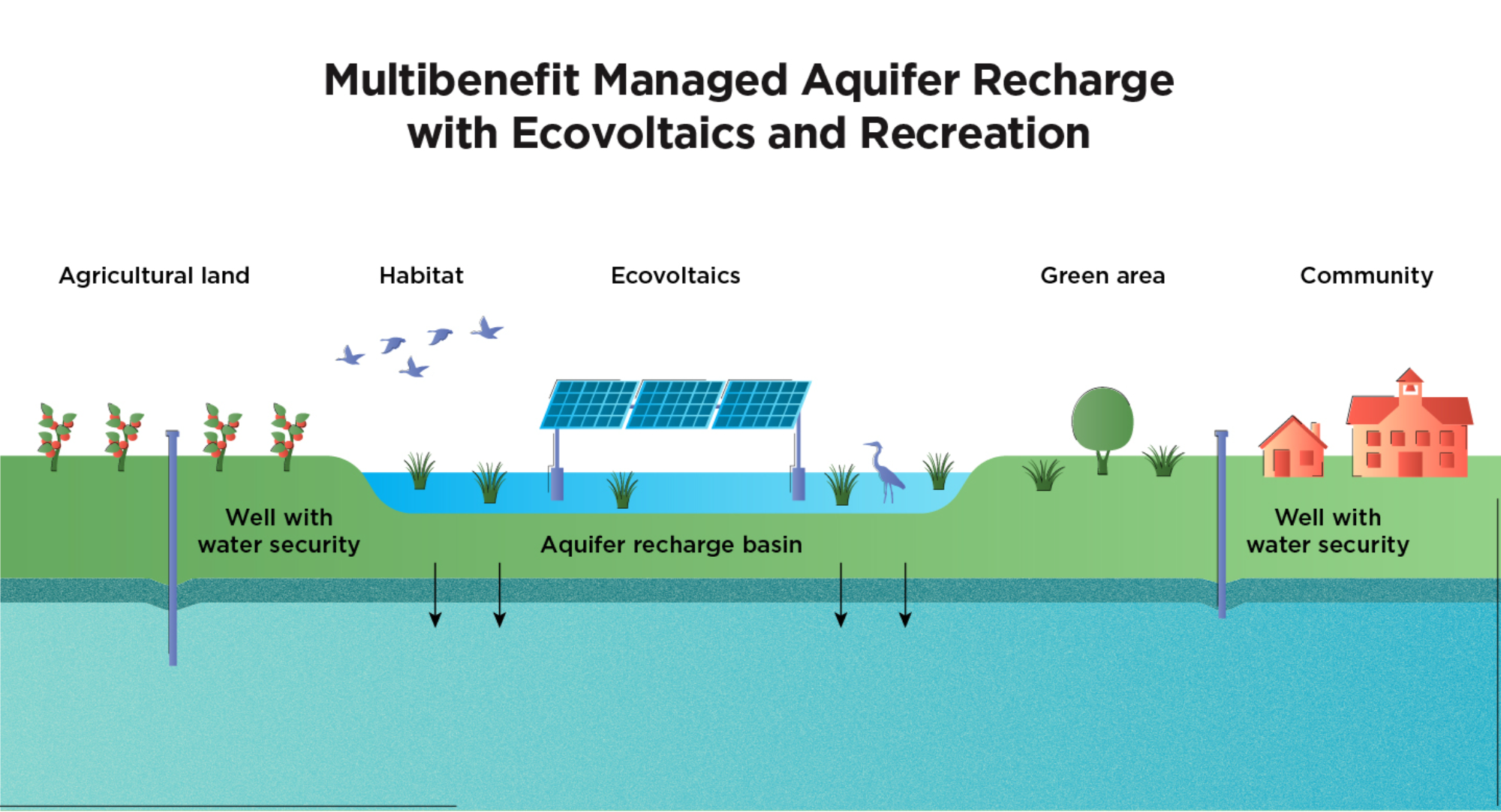
Power shutoffs disable community wells, cutting off drinking water and irrigation
Families must travel over 15 miles for groceries due to the lack of a local store
Rising electricity rates have increased household bills by approximately $50 per month
These conditions reflect broader energy inequities common in rural communities across California.
Agrivoltaics in Allensworth
A community-owned agrivoltaic system allows Allensworth to address energy, water, and agricultural challenges at the same time. By placing solar panels within working farmland, the project can create shaded growing conditions that reduce heat stress, lower water loss, and support regenerative agricultural practices. Local energy generation also improves reliability and gives residents and farmers greater control over essential infrastructure.
Project Description
Agrivoltaics presents a long-term revenue opportunity that can make the APA Farm Macroproject financially viable. The current model requires new funding over five years to maintain sustainability. By integrating grid components into the solar system, the project can support Community resilience, Public health, and Energy sovereignty. This initiative is designed as a pilot project, with the potential to inspire rural communities across California and the United States.
Community & Climate Benefits
Reduction in greenhouse gas emissions
Increased food security
Improved community health and well-bein
Long-term economic stability for working families
Partnerships
The APA Farm Team and Allensworth Community Development Corporation (ACDC) are collaborating to research project feasibility and design.
Because agrivoltaics remains a novel approach in California, the project requires coordination with:
Solar energy experts
Agricultural specialists
Tulare County officials
Utility providers
Youth Education
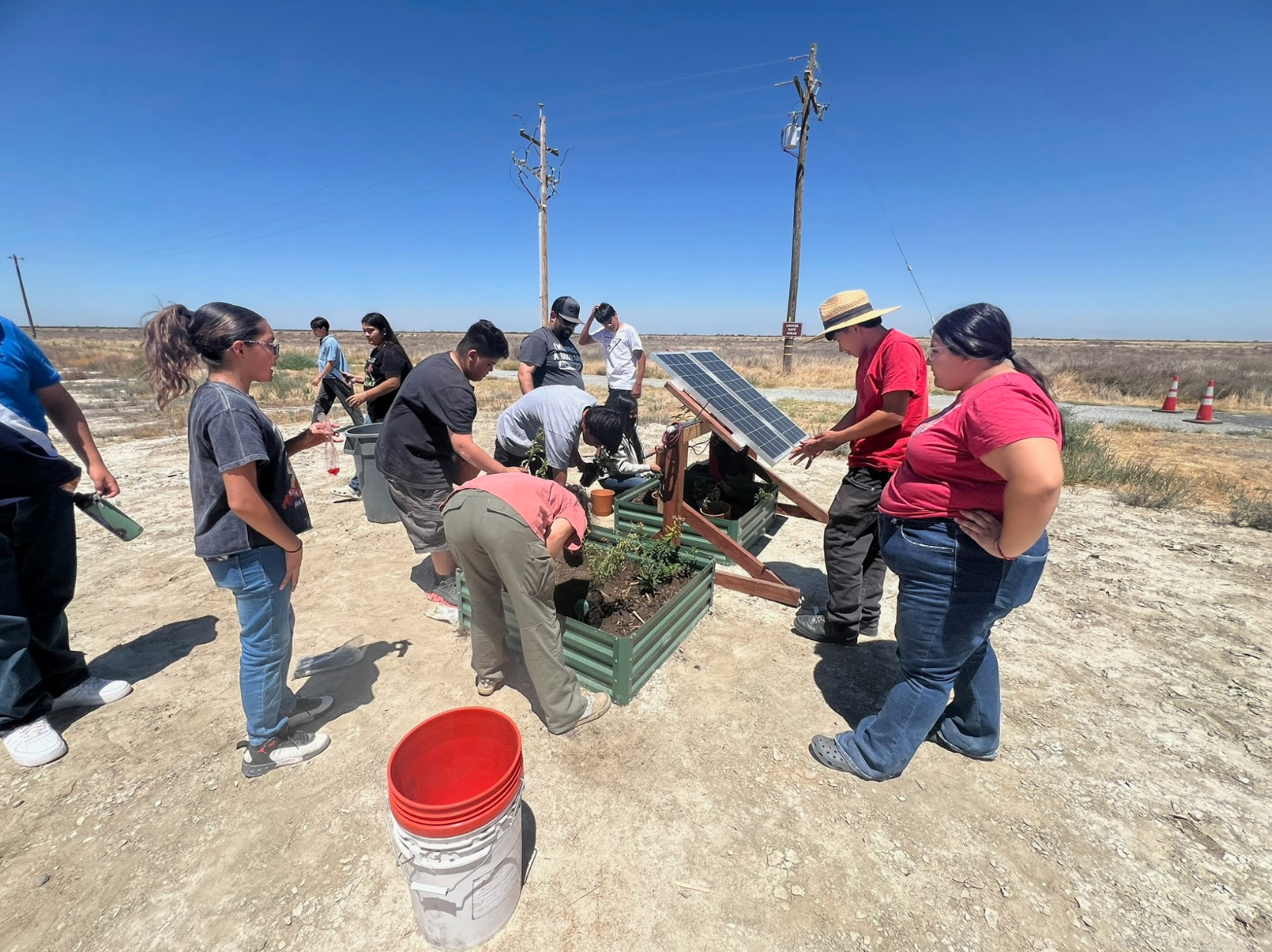
The summer of 2024 the Allensworth Progressive Association (APA), in partnership with the SocioEnvironmental and Educational Network (SEEN), hosted the Tulare Lake Project-Based Learning Program for youth ages 12 - 15 from Allensworth, Alpaugh, and Richgrove. The program introduced students to agrivoltaics through hands-on activities and discussions, exploring how solar energy and agriculture can work together to support regenerative farming, reduce heat exposure for workers, and improve water efficiency. By engaging young people in real-world solutions, APA is building community awareness, leadership, and resilience for the future of agriculture in the San Joaquin Valley.
Point of Contact

For more information on Agrivoltaics (AgPV) in Allensworth, please contact Jose Armando Mungia